
Genetic resource management and pre-breeding for enhancing genetic variability
- Home
- AICRP on Rabi Pulses
AICRP on Rabi Pulses
The rabi-season coordinated research network for pulses — chickpea, lentil, fieldpea and lathyrus — operating through 28 centres across five zones, with headquarters at ICAR-IIPR, Kanpur.
Mandate
The Project at a Glance
4
Mandate crops
28
Centres in the network
5
Zones for region-specific technology
12
Thrust areas
Mandate crops
ChickpeaLentilFieldpeaLathyrus
Headquarters
ICAR-Indian Institute of Pulses Research, Kanpur — which hosts all the pulses AICRPs. See the AICRP overview for how the network is organised.
Based on the recommendation of the AICRP review committee, the existing AICRPs on chickpea, pigeonpea and MULLaRP, and the AINP on Arid Legumes, were merged into two projects — the AICRP on Kharif Pulses and the AICRP on Rabi Pulses.
The AICRP on Rabi Pulses has been constituted by the merger of the AICRP on Chickpea with the rabi MULLaRP crops, namely lentil, fieldpea and lathyrus. The project is operational with 28 centres, and has been divided into five zones for developing region-specific technologies.
Priorities
Thrust Areas
Development of high yielding varieties with stress resistance and enhanced nutritional and market traits, adapted to different agro-climatic zones
Innovative approaches to varietal improvement through molecular breeding, to accelerate varietal development
Genetic bio-fortification, especially for protein, iron and zinc content and reduced anti-nutritional factors
Horizontal expansion across the country
Conservation agriculture for enhancing system productivity, conserving soil moisture and improving water use efficiency
Nutrient management through PGPR and biological nitrogen fixation
Genetic enhancement against major diseases and pests through screening under artificial conditions and at hot spots
Refinement of IPM modules
Seed quality enhancement through multiplication of breeder seed
Front Line Demonstrations to take newly developed technologies to farmers through scientists
Data digitalization
Crop-wise
Research Targets
What the network is breeding and managing for, crop by crop.
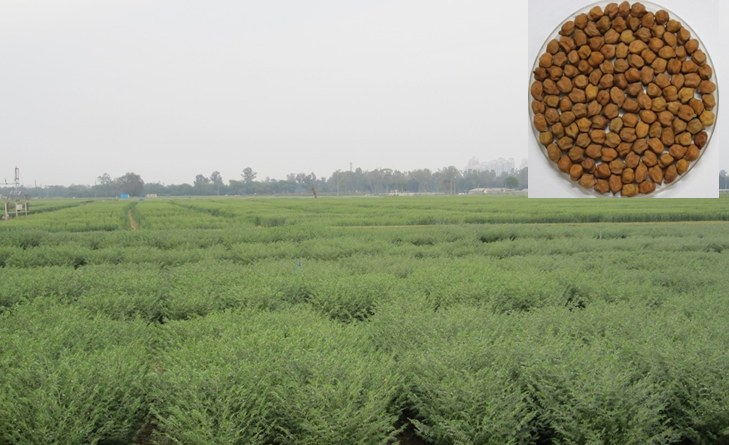
1Chickpea
- High yield
- Fusarium wilt, ascochyta blight, dry root rot and botrytis gray mold resistance
- High temperature and drought tolerance; cold tolerance in kabuli chickpea
- Extra large seeded kabuli chickpea
- Machine harvestable varieties
- Genetic bio-fortification — protein (>25%), Fe (>60 ppm) and Zn (>40 ppm)
- Enhanced system productivity and nutrient and water use efficiency
- Post-emergence weed management
- IPM module for management of pod borer
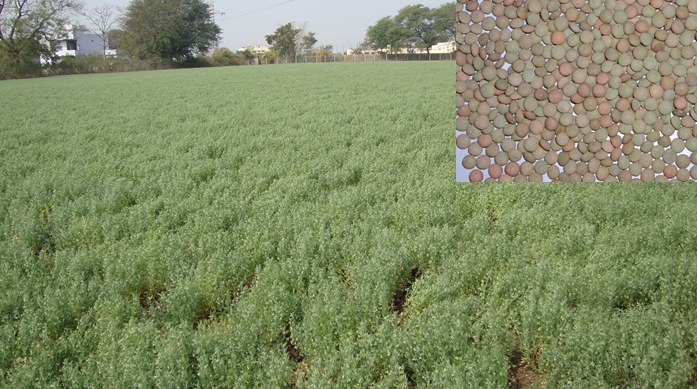
2Lentil
- High yield
- Stemphylium blight, rust and wilt resistance
- Extra early maturity, heat, drought and salinity tolerance
- Genetic bio-fortification — Fe (>75 ppm) and Zn (>50 ppm)
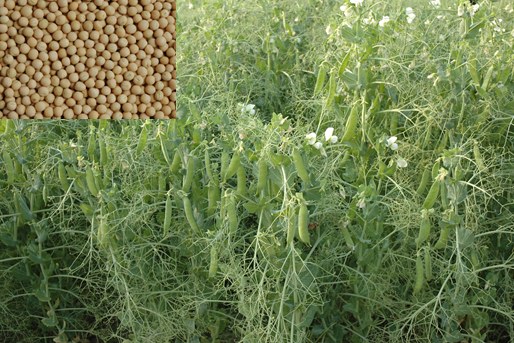
3Fieldpea
- High yield
- Powdery mildew and rust resistance
- Earliness, high temperature tolerance, lodging resistance, green seeded varieties
- Post-emergence weed management
- IPM module for management of stem fly
- Reduction of anti-nutritional factors — low RFO content
4Lathyrus
- High yield with low ODAP (<0.1%)
- Rice fallow cultivation
Downloads
Reports & Released Varieties
Annual reports of the coordinated network, the Project Coordinator’s report, and the list of varieties released over the last five years.
The released-varieties document lists 119 varieties across chickpea, lentil, fieldpea and lathyrus, grouped by centrally and state released categories.