
Rapid diagnostics tools
- Home
- Division of Crop Protection
Division of Crop Protection
Plant Pathology, Agricultural Entomology and Nematology research on pulse crops — diagnostics, host plant resistance, biocontrol formulations, pest and disease dynamics and integrated management.
Established in the VIII Plan
About the Division
The Division of Crop Protection was established during the VIII Five-Year Plan, following the upgradation of the Directorate of Pulses Research to the Indian Institute of Pulses Research (IIPR) on 5 September 1993. The Division comprises three major disciplines, namely Plant Pathology, Agricultural Entomology and Nematology, and is mandated to undertake basic, strategic and applied research on the identification, characterization, epidemiology, surveillance, forecasting and integrated management of major insect pests, plant pathogens and nematodes affecting pulse crops. Over the years, the Division has evolved into a multidisciplinary research unit addressing emerging and economically important biotic stresses of chickpea, pigeonpea, mungbean, urdbean, lentil, cowpea, French bean, field pea, mothbean, and horsegram. Research activities encompass host–pest and host–pathogen interactions, disease and insect epidemiology, molecular characterization, diagnostics, host plant resistance, pest and disease forecasting, development of Bio-formulations, integrated pest and disease management (IPDM), and development of sustainable crop protection technologies. The Division has established advanced facilities for molecular diagnostics, pathogen and pest characterization, nucleic acid-based detection, PCR and multiplex PCR, along with facilities for screening and phenotyping of pulse germplasm against major biotic stresses. The Division has made significant contributions to the identification and characterization of major viruses and fungal pathogens of pulse crops, development of molecular diagnostic protocols, mapping of YMD causing viruses distribution, identification of resistant germplasm, and development of integrated management strategies for major insect pests and diseases.
5,500+
Germplasm accessions screened in five years
359
Resistant sources identified
8
Biocontrol formulations developed
6
Patents filed or granted
Focus
Thrust Areas
Host plant resistance
Bio-formulation development
Insect pests and nematode management
Stored grain pest management
Divisional achievements
Major Research achievements
1
Host plant resistance
- Screened over 5,500 germplasm accessions during last five years, breeding lines and wild relatives of pulse crops under field, sick plot and laboratory conditions for resistance against major diseases, insect pests and nematodes. A total of 359 resistant sources were identified against yellow mosaic disease, Fusarium wilt, Phytophthora stem blight, powdery mildew, Cercospora leaf spot, bruchids and plant-parasitic nematodes.
- One donor IPAPB-7-2-1-7 (R0011222026/CONS/PGRC) for Phytophthora resistance has been submitted to ICAR-NBPGR for registration
- In the span of five seasonal trials, a total of 2454 accessions of lentil procured from NBPGR were assessed for Fusarium wilt resistance. Three accessions namely IC0139864, IC0201783 and IC393181, were found consistently resistant against wilt. Lentil genotype IG 54 was registered as resistant donor against wilt.
- Six wild Vigna accessions- V. umbellata (IC251439, IC251442), V. vexillata (IC248326), and V. mungo var. mungo (IC251390, IC251385, IC251387) - were identified as highly resistant against Bruchids and registered at ICARNBPGR as unique germplasm resources.
- Four Rhynchosia bracteata accessions (IC15815, IC15816, IC15817, IC618509) and three Cajanus scarabaeoides accessions (e.g., ICP15700, ICP15882, ICP15883) were found resistant to multi bruchids species. Among these, a total of five accessions were identified by institute GIC for their registration at ICAR-NBPGR, New Delhi, which is under process.
2
Characterization of pathogens and Bio-agents
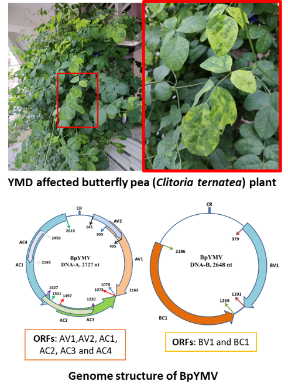
A novel bipartite Begomovirus, Butterfly pea yellow mosaic virus (BpYMV) infecting Clitoria ternatea (Butterfly pea) in India was identified along with corresponding PCR-based diagnostics was developed. This diagnostic tool is a valuable resource for early detection, epidemiological studies, and effective management of BpYMV.
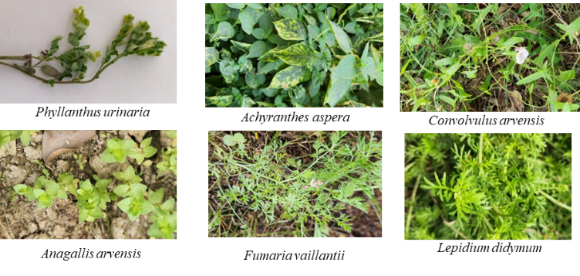
Alternate host of MYMIV as first report were characterised in weeds including Phyllanthus urinaria, Achyranthes aspera, Lepidium didymium, Convolvulus arvensis, Breynia, Fumaria vaillantii, and Anagallis arvensis, with Euphorbia hirta reaffirmed. Full MYMIV genome was characterized from Phyllanthus urinaria sample exhibiting leaf bunching/crowning.
Pathogens such as Alternaria alternata infecting wild pigeonpea and Pythium rot in mungbean were identified. Isolates of Phytophthora cajani and Macrophomina phaseolina infecting pigeonpea were characterised using ITS primers. Isolates of Erysiphe pisi were characterised using species-specific primers

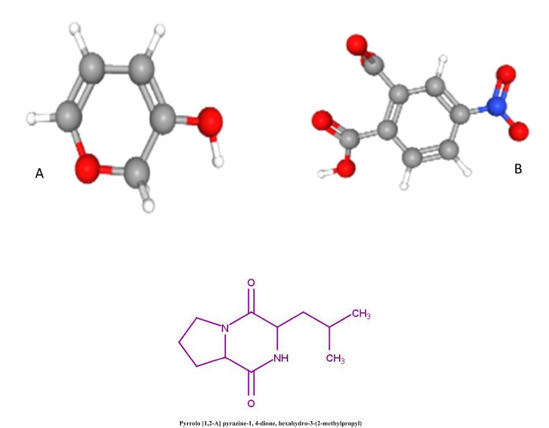
Fifteen Trichoderma isolates and eight bacterial isolates with biocontrol potential were characterized, and their metabolites were analyzed using GC–MS including 1,2-benzenedicarboxylic acid, 2H-Pyran-2-one, palmitic acid, koningin-A, and furanone derivatives associated with antifungal and plant growth-promoting properties.
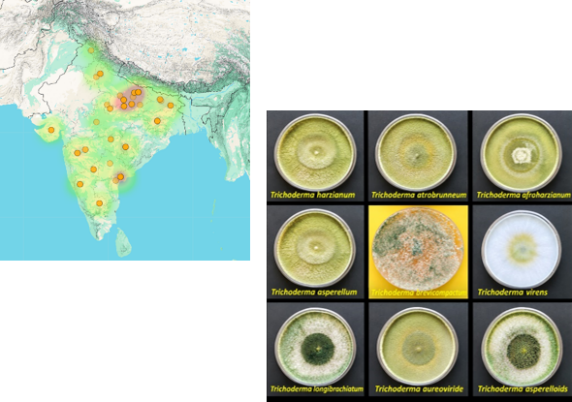
Diversity profiling of Trichoderma isolates (>160) from 13 pulse growing states across the country, identified nine species (T. harzianum, T. asprellum, T. afroharzianum, T. aureoviride, T. asperelloides, T. Brevicompactum, T. atrobrunneum, T. longibrachiatum, T. virense), characterized against major soilborne pathogens. Most potential isolates were deposited with NBAIM, Mau as national depository.
Whole genome sequencing of the potential strains i.e. IIPRTh-31 (T. asprellum) & IIPRTh-33 (T. afroharzianum) was done and submitted to the NCBI (JAJAWE000000000 & JAJAWF000000000). Two multi-trait Trichoderma isolates, T. asperellum (IIPRTh-31) and T. afroharzianum (IIPRTh-33) have been registered with ICAR-NBAIM, Mau (NAIMCC-R-5 & (NAIMCC-R-6) for its multi-trait characters
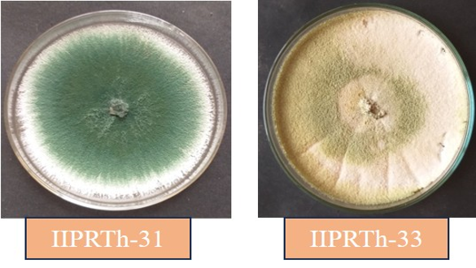
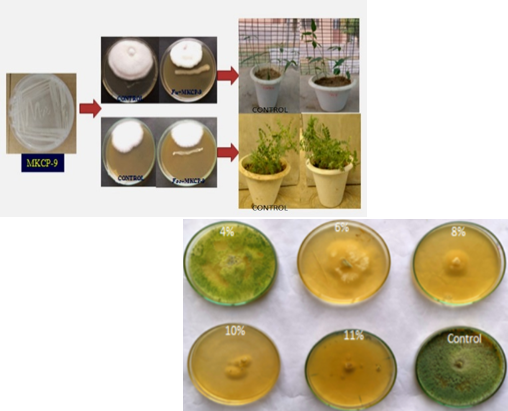
Identified and characterized Pseudomonas guaroconsis (IIPRMKCP-9) from chickpea rhizosphere for biocontrol and plant growth promotion. Three potential rhizospheric bacteria (IIPRSHEP-6, IIPRAMCP-1 & IIPRCDCP-4) have been deposited to ICAR-NBAIM Mau. T. harzianum strain (IIPRTh-3) have been identified for registration with ICAR-NBAIM, Mau as salinity tolerant (>12% NaCl conc.).
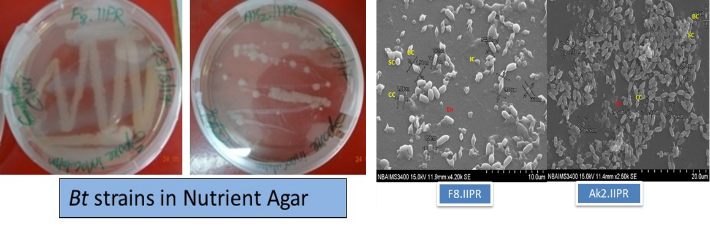
Identified and characterized molecularly five indigenous Bacillus thuringiensis (Bt) strains [F8.IIPR, Ak2.IIPR, F6.IIPR, F5.IIPR and F1.IIPR] having high efficacy against major lepidopteran pests of legumes. Further, they are submitted and get accession from NAIMCC, ICAR–NBAIM.
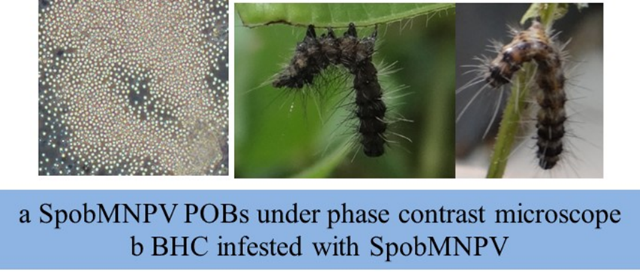
Characterized Spob MNPV for the management of Bihar hairy caterpillar and decoded its complete genome, with key gene sequences submitted to NCBI.
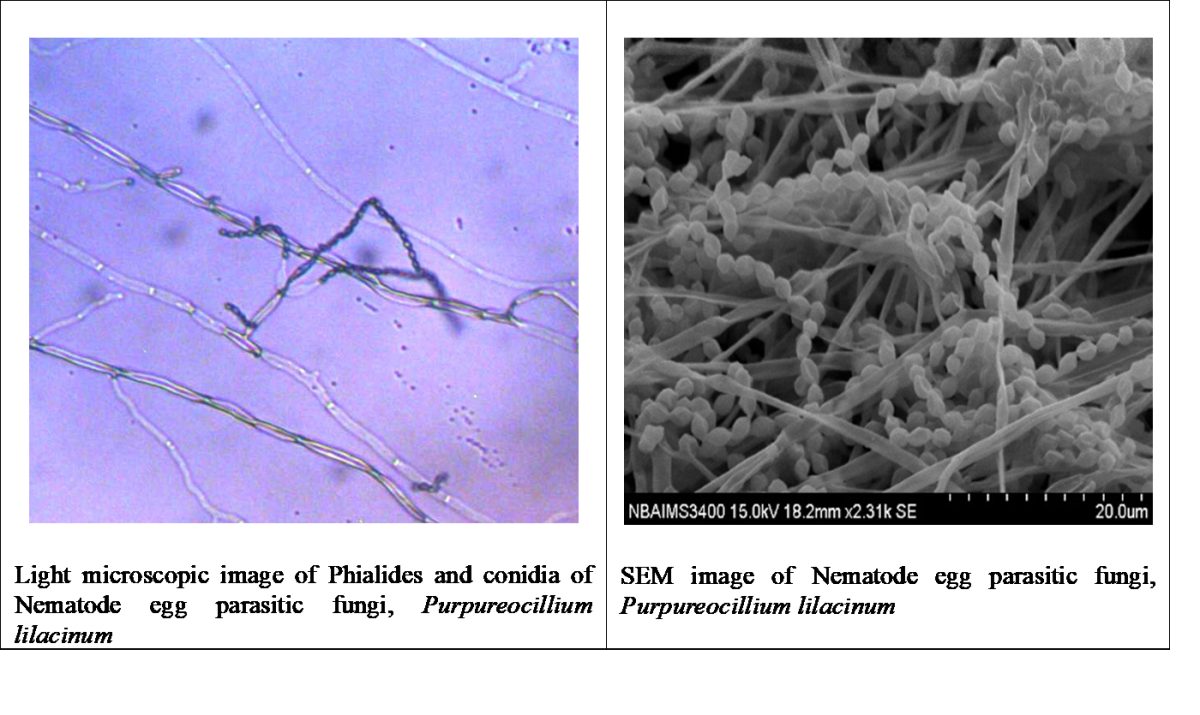
The potential strains of nematode biocontrol agents viz., Purpureocillium lilacinum (IIPR-Pl-11), Trichoderma harzianum (IIPR-Th-64), T. asperellum (IIPR-Ta-31), Bacillus cereus (IIPR-Bc-14) and Streptomyces ginkgonis (IIPR:KR01:03) were identified.
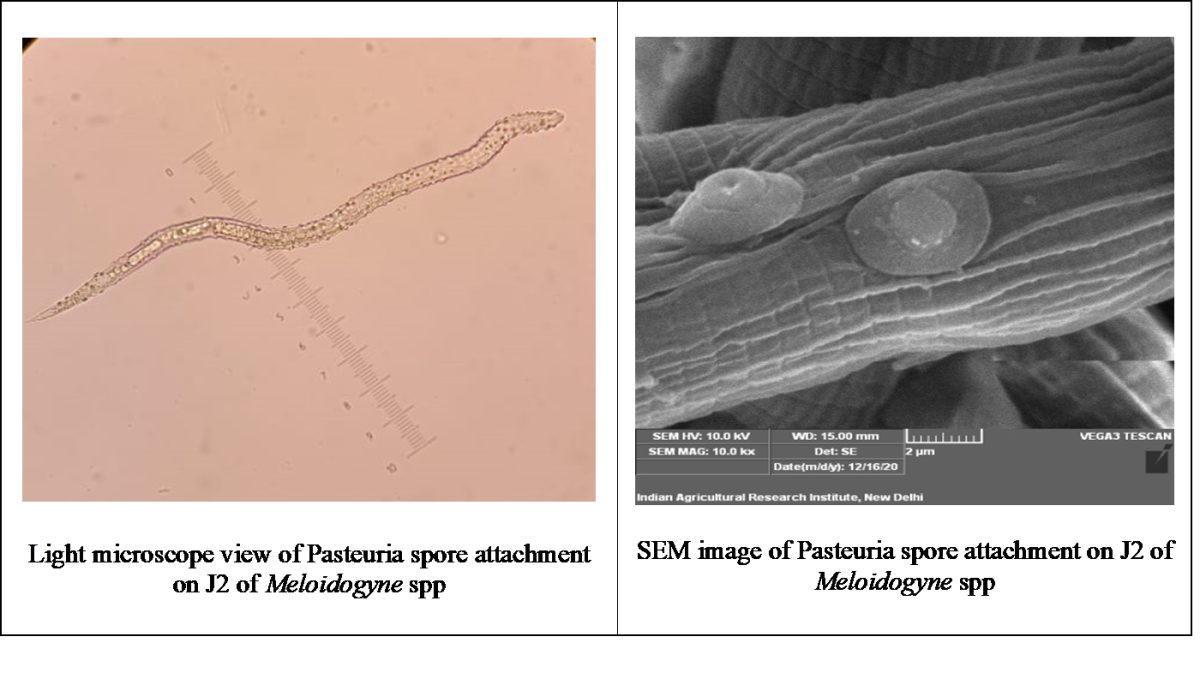
Seven isolates of nematode obligate hyper parasite, Pasteuria penetrans were isolated and identified from root knot nematode Meloidogyne spp infecting pulses.
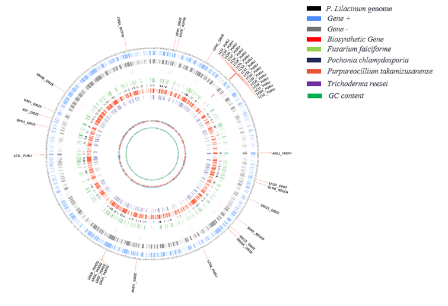
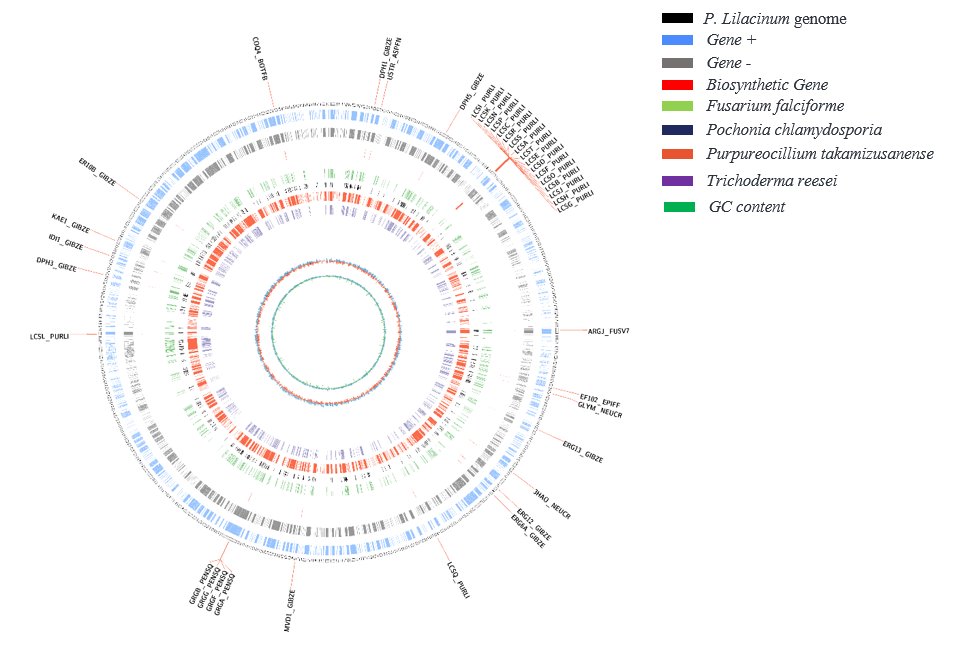
Whole genome sequencing and de novo assembly and annotation of nematode egg parasitic fungi, Purpureocillium lilacinum IIPR-Pl-11 Strain has been carried out for identification of novel nematicidal molecule.
3
Pest and disease dynamics
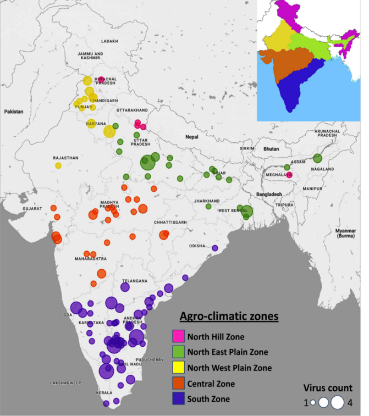
- A Country-wide Distribution Map of Yellow Mosaic Disease (YMD)-causing viruses being an interactive digital tool that visualizes the spread and prevalence of begomoviruses infecting legume crops across India (https://www.icar-iipr.org.in/country-wide-distribution-map/) was created after studying 581 molecular reports from 119 locations across five agro-climatic zones and 53 host species.
- Monitoring of pod weevil (Apion amplum) in urdbean: Pod weevil incidence was recorded at Dharwad during Kharif 2022–2024, with infestation starting at flowering and peaking during pod development (August–October). Adult populations ranged from 1.2 to 7.0 per plant, with 1.40–1.84 grubs per pod. Pod damage (54.7–84.0%) and seed damage (36.15–59.67%) under unprotected conditions confirmed A. amplum as a major pest of urdbean in northern Karnataka.
- Monitoring of Maruca vitrata and Cydia ptychora in cowpea: During Kharif 2022–2024, Maruca vitrata caused severe flower (71–76%) and pod damage (40–71.96%) in cowpea, with larval density up to 23.31 larvae per 25 flowers. The cowpea seed moth Cydia ptychora mainly attacked mature pods from August to harvest, causing 47.11–62% pod damage and 12.55–52.67% seed damage, along with reduced seed weight (100-seed weight: 10.59 g).
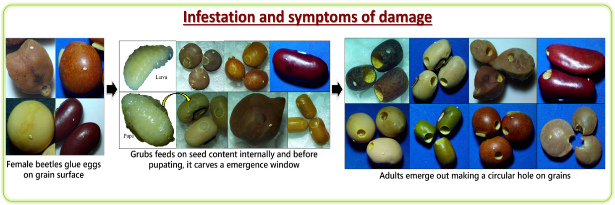
- Bruchid diversity: A total of 31 bruchid infested samples representing 10 different pulses were collected from 19 locations across India. From these samples, four species were identified as Callosobruchus maculatus (F.), C. analis (F.), C. chinensis L. and Bruchus affinis. Among 31 samples, C. analis was predominant infesting 11 samples followed by C. maculatus (10), C. chinensis (9) and B. affinis (1).
- Diversity of pod bug species in cowpea and pigeonpea: Diversity of pod bugs infesting cowpea and pigeonpea during kharif was studied. Two Coreid bugs (Anopiocnemis phasiana and Clavigralla gibbose), 3 Pentatomid bugs (Nezara viridula, Niphe subferruginea and Eocanthecona furcellata), 2 Alydidae bugs (Riptortus linearis and Riptortus pedestris) and 1 Reduvidae bug (Platerus bhavani) were taxonomically identified. These pod bugs were found to infest cowpea and pigeonpea during podding stage.
- Thrips diversity: A total six thrips species i.e., Megalurothrips usitatus (Bagnall), Megaluro thrips distalis (Karny), Caliothrips indicus (Bagnall), Ayyaria chaetophora Karny, Thrips palmi Karny and Scirtothrips dorsalis Hood were collected from mungbean and taxonomically identified. They belong to Thysanoptera: Terebrantia: Thripidae. Mixed species composition of thrips was observed and found to infest the mungbean crop during vegetative, flowering and podding stages.
4
Post harvest management of Storage pests
- Post harvest disinfestation and packaging efficacy: Fumigation with aluminium phosphide (3 tablets/tonne) or gamma irradiation (0.2 kGy) completely eradicated bruchids in cowpea and mungbean. HDPE bags prevented reinfestation and gave highest milling recovery, while gunny bags failed to protect grains. Hence, it was concluded that pre-disinfestation with aluminium phosphide (3 tablets/tonne) or gamma irradiation (0.2 kGy) followed by storage in HPDE bags was highly effective for long-term safe storage of pulses up to two years.
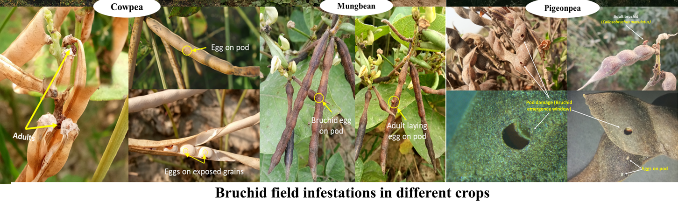
- Field carry-over timelines in cowpea, mungbean, and pigeonpea: Identified bruchids infestation window at 3rd WAFI in mungbean, 4th WAFI in cowpea, and 8th WAFI in pigeonpea, increasing towards maturity. Seeds harvested during critical windows (3–5 WAFI in mungbean/cowpea; 9–14 WAFI in pigeonpea) suffered heavy storage damage, confirming the need for timely intervention.
- Insecticidal interventions breaking carry over chain: Sprays of Azadirachtin 0.03% WSP, Deltamethrin 2.8 EC, and Lambda cyhalothrin 5 EC reduced oviposition (<1%), pod damage (<0.4%), and prevented >90% carry over in all three crops. In pigeonpea, these sprays cut infestation by >93% and blocked up to 96% storage multiplication.
- Nationwide sampling and species identification: The infested grain samples were collected from 74 locations across 24 states covering 14 crops surveyed under small- and large-scale storage. Morphological and molecular identification confirmed five bruchid species: C. analis, C. maculatus, C. chinensis, Acanthoscelides obtectus, and Caryedon serratus. The three Callosobruchus species infested most pulses, while A. obtectus was restricted to common bean and C. serratus to groundnut.
- Distribution and dominance patterns: C. analis was the most widely distributed (41 samples, 40 locations), but C. maculatus was the most abundant and dominant (42% abundance, Berger Parker dominance index d = 0.42). Six states recorded all three Callosobruchus species.
- Storage condition effects: Small scale storages showed higher infestation, diversity, and richness (Shannon index H = 1.1; ENS = 3; richness Dmg = 0.44), with C. maculatus dominant (50%). Large scale storages had greater evenness (E = 0.83), but C. analis was dominant (57%). Grain moisture and storage duration were positively correlated with infestation and damage.
- Crop specific infestation: Chickpea (desi and kabuli), field pea, cowpea, horse gram, and mungbean recorded the highest infestation and diversity indices, while urdbean had the lowest. The order of grain infestation was C. chinensis > C. analis > C. maculatus, but grain weight loss was highest with C. maculatus, indicating species specific damage patterns.
- Eco friendly essential oil compounds: Plant volatiles (spearmint, cumin, turmeric, eucalyptus) showed strong activity: adult mortality >80%, FDI >85%, egg hatching <15%, with LC₅₀ values as low as 0.011 µl/cm². Seed viability remained unaffected (germination 79–87%), making them promising alternatives for safe bruchid control.
5
IPM module
- Developed and validated bio-intensive IPM modules for chickpea, wherein the Chickpea + coriander (BIPM1) module reduced pod damage to 0.78–1.81% compared with 5.68–9.48% in sole crop, enhanced coccinellid populations (10.0–12.67 vs. 0.67–1.0 per 5 plants), and promoted beneficial soil nematodes while reducing plant-parasitic tylenchids, demonstrating its effectiveness in conserving natural enemies and minimizing pest damage.
- Developed an effective IPM module for management of spotted pod borer (Maruca vitrata) in cowpea, reducing pod damage to 11.2–11.9% (≈66% protection over control) and achieving the highest grain yield (910–1192 kg ha⁻¹) with a B:C ratio of 2.05 and ICBR of 2.64.
Products
Biocontrol formulations
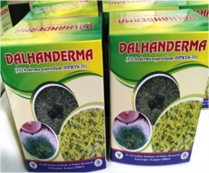
DALHANDERMA
Dalhanderma is a talc-based formulation of Trichoderma asperellum (IIPRTh-31) strain, registered with ICAR-NBAIM, Mau (NAIMCC-R-5) and deposited in NCBI (Accession No. MK968811 & MN232100). The developed bio formulated technology is certified by ICAR (ICAR-CS-IIPR-Tech-2024-024). Recommended for seed treatment @ 10 g kg⁻¹ seed and soil application @ 5 kg acre⁻¹ at the time of sowing; the talc-based formulation has a shelf life of 12-14 months (4.7 × 10⁶ CFU g⁻¹).

Pulse booster
Pulse Booster is a Trichoderma afroharzianum (IIPRTh-33) based talc-biofungicide and plant growth promoter, registered through ICAR-NBAIM, Mau (NAIMCC-R-6) and submitted to NCBI (MN186847 & MN414456). The developed bio formulated technology is certified by ICAR (ICAR-CS-IIPR-Tech-2024-023). Recommended for seed treatment @ 10 g kg⁻¹ seed and soil application @ 5 kg acre⁻¹ at the time of sowing; the talc-based formulation has a shelf life of 14 months (2.5 × 10⁶ CFU g⁻¹).
Dalhan Bio-consortia
A liquid microbial bioformulation developed through co-cultivation technology, comprising Trichoderma asperellum (IIPRTh-31; MK968811) and Bacillus subtilis (IIPRSHEP-6; ON872223), and certified by ICAR (ICAR-CS-IIPR-Tech-2024-025). Recommended for seed treatment @ 10 mL kg⁻¹ seed and soil application @ 1 L acre⁻¹ at sowing, with a shelf life of up to 12 months.
Pulse Bioguard
A talc-based Trichoderma harzianum (IIPRTh-3)-based biofungicide and plant growth promoter developed by ICAR-IIPR for managing soil- and seed-borne diseases in pulse crops; the strain is characterized through ITS (KX681710) and TEF (MT239390) sequences. Recommended for seed treatment @ 10 g kg⁻¹ seed and soil application @ 2 kg acre⁻¹; the talc-based formulation has a 12-month shelf life (1.0 × 10⁶ CFU g⁻¹).
Dalhan Monas
A talc-based formulation of Pseudomonas guariconensis (MKCP-9) based biofungicide and plant growth promoter, isolated from the chickpea rhizosphere. Registered with NBAIM, Mau (NAIMCC-B-03173), sequence have been submitted with NCBI (MT436398).
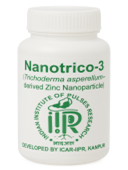
Nanotricho-3
A Trichoderma asperellum (IIPRTh-31)-based silver nano-formulation developed by ICAR-IIPR as a next-generation biofungicide and plant growth promoter for pulse crops (Patent No. 11089189). Recommended for seed treatment @ 10 mL kg⁻¹ seed and soil application @ 1 L acre⁻¹ with FYM; the liquid nano-formulation has a 10–12-month shelf life (2.7 × 10⁶ CFU mL⁻¹) and is available for technology licensing.
IIPR Lep-Kill
A liquid bioformulation was developed from Bt strain (F8.IIPR) and its bio-efficacy was evaluated. It has the potential to manage Helicoverpa armigera, Spilosoma obliqua, Spodoptera litura, M. vitrata and also the Melidogyne incognita. It had reduced 90-93% larval webbing in pigeonpea over control at 10 Days after treatment. Similarly, it has recorded H. armigera larval reduction over control by 83 to 91% at 10 Days after treatment. Patent for this liquid bio-formulation has been filed (202511010321).
IIPR Pulse Guard
Developed and validated the field efficacy of the liquid bio-formulation IIPR Pulse Guard against Bihar hairy caterpillar (BHC) in blackgram, achieving 64.8–85.9% reduction over control (PROC) at 1 DAS and 85.6-100% PROC at 7 DAS after the first spray, with complete (100%) control at 7 DAS following the second spray, without any phytotoxic effects. Recording a lower LC₅₀ (0.224%) than its active ingredient alone (0.466%) against Helicoverpa armigera, confirming enhanced efficacy of the formulated product.
Intellectual property
Patents and Copyright/Trademarks
Patents
| S.No. | Title | Number |
|---|---|---|
| 1 | A Method of utilization of Trichoderma species as pesticide tolerance | 579011 |
| 2 | A Method for synthesis of fungi infused biogenic silver nanoparticle formulation | 586844 |
| 3 | Antimicrobial activity of Trichoderma fused Zinc and Iron Nanoparticles against chickpea wilt | 583910 |
| 4 | A Novel Heavy Metal-Tolerant Microbial Strain, Trichoderma asperellum | 202311052705 |
| 5 | A Method of preparation of Pigeonpea Milling By-product Agar Medium for Fungal growth of Phytophthora | 202311067694 |
| 6 | Nanotricho-1, a Trichoderma asperellum (IIPRTh-31)-based silver nano-formulation based biofungicide and plant growth promoter for pulse crops | Patent No. 11089189 |
Copyright/Trademarks
| S.No. | Title | Number |
|---|---|---|
| 1 | DALHANDERMA | 6045788/2024 |
| 2 | Pulses booster | 6774012/2024 |
| 3 | AI-Enabled Annotated Image Dataset for Real-Time Diagnosis (RTD) of Phytophthora Blight Disease (PBD) in Pigeonpea | LD-43252/2025-CO |
| 4 | Image Repository of Wilt Symptoms in Pigeon pea (Cajanus cajan L.) for I-Enabled Diagnostic Models | LD-20260186808 |
Transfer of technology
Technologies Developed
1Highthroughput bruchid resistance screening technique
An improved freechoice and nochoice protocol was established using specially designed squareshaped multicrater olfactory chambers and daily F1 emergence counts. This highthroughput facility enabled simultaneous screening of pulse crop genotypes under intense oviposition pressure, providing a reliable and scalable tool to identify resistant donors and validate them efficiently for breeding programs.
2Low-cost MYMIV and MYMV detection method in whitefly
A cost-effective and simple DNA extraction and virus detection method has been developed for MYMIV and MYMV, yellow mosaic disease (YMD)-causing viruses in a single whitefly (Bemisia tabaci). This low-cost protocol eliminates the need for commercial kits or complex reagents, making it highly suitable for field-level diagnostics and surveillance. The method supports early detection and monitoring of virus incidence, which is critical for timely pest and disease management in pulses.
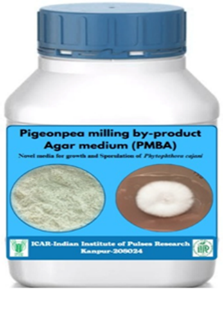
3Pigeonpea Milling By-Product Agar (PMBA)
Utilize Pigeonpea milling by-product and Agar Media a medium was developed for better growth and sporulation of Phytophthora infestans in comparison to the previously known media.
4Passive collection system for flies
The system comprises a chamber configured to collect flies, to allow entry of flies while preventing their exit. A hole is provided at the top end of the chamber for a detachable connection with a container. The container is a transparent tubular, enabling secure coupling with the chamber for visual inspection of the collected flies. The passive collection system offers a simple, effective, and reusable fly collection solution. This invention presents a valuable tool for better understanding the population monitoring and behavioural research of whiteflies.

5Country-wide distribution map of YMD-causing begomoviruses
The Country-wide distribution map of Yellow Mosaic Disease (YMD)-causing viruses is a comprehensive digital tool developed to visualize and understand the spread and prevalence of begomoviruses responsible for YMD in legume crops across India. The map highlights the dominance of MYMIV followed by MYMV and HgYMV, revealing their regional prevalence, host range, and mixed infection in a particular zone. The map with the reported information has been transformed into a real-time, interactive and updatable web-based application.
Nematology Section
Nematology: Significant Achievements
1
Bio-ecology
- The eggs of the pigeonpea cyst nematode, Heterodera cajani, were recorded as viable for three to four years in both moist and dry soil conditions without a plant host.
- A nematode distribution study of the chickpea rhizosphere in Hamirpur district of the Bundelkhand region revealed the presence of twelve nematode genera. The most frequently encountered were Tylenchorhynchus spp., followed by Pratylenchus spp. and Tylenchus spp.
- A corresponding study of the pigeonpea rhizosphere in Hamirpur showed eleven nematode genera, the most frequent being Tylenchorhynchus sp. and Tylenchus sp., followed by Heterodera cajani.
2
Biological control
- Eleven strains of the nematode egg parasitic fungus Purpureocillium lilacinum, and twelve isolates each of Trichoderma harzianum and T. asperellum, were isolated from the pulse rhizosphere and characterized on the ITS-5.8S-ITS2 region. Thirteen strains of the rhizobacterium Bacillus cereus were isolated from the pulse rhizosphere and characterized on the 16S rDNA region. The well-characterized strains were submitted to NAIMCC, ICAR-NBAIM, Mau, and received accession numbers.
- Seven isolates of the nematode obligate hyperparasite Pasteuria penetrans were isolated and identified from root knot nematode Meloidogyne spp. infecting pulses.
- Two formulations were developed — a liquid emulsion formulation with spores of Purpureocillium lilacinum, Trichoderma harzianum and T. asperellum as the active ingredient, formulated with suitable components as an emulsion; and a soluble powder formulation with the same biocontrol spores as the active ingredient on a suitable solid carrier.
Potential biocontrol strains identified
| S.No. | Organism | Strain | Role |
|---|---|---|---|
| 1 | Purpureocillium lilacinum | IIPR-Pl-11 | Nematode egg parasitic fungus |
| 2 | Trichoderma harzianum | IIPR-Th-64 | Nematode biocontrol agent |
| 3 | Trichoderma asperellum | IIPR-Ta-31 | Nematode biocontrol agent |
| 4 | Bacillus cereus | IIPR-Bc-14 | Rhizobacterial biocontrol agent |
| 5 | Streptomyces ginkgonis | IIPR:KR01:03 | Actinomycete biocontrol agent |
3
Diagnostics
- Four races of Meloidogyne incognita — races 1, 2, 3 and 4 — were identified using the North Carolina Host Differential test.
- Whole genome sequencing, de novo assembly and annotation of the nematode egg parasitic fungus Purpureocillium lilacinum strain IIPR-Pl-11 has been carried out, for identification of a novel nematicidal molecule.
Gallery
Micrographs & Genome
Nematode egg parasitic fungus, Purpureocillium lilacinum
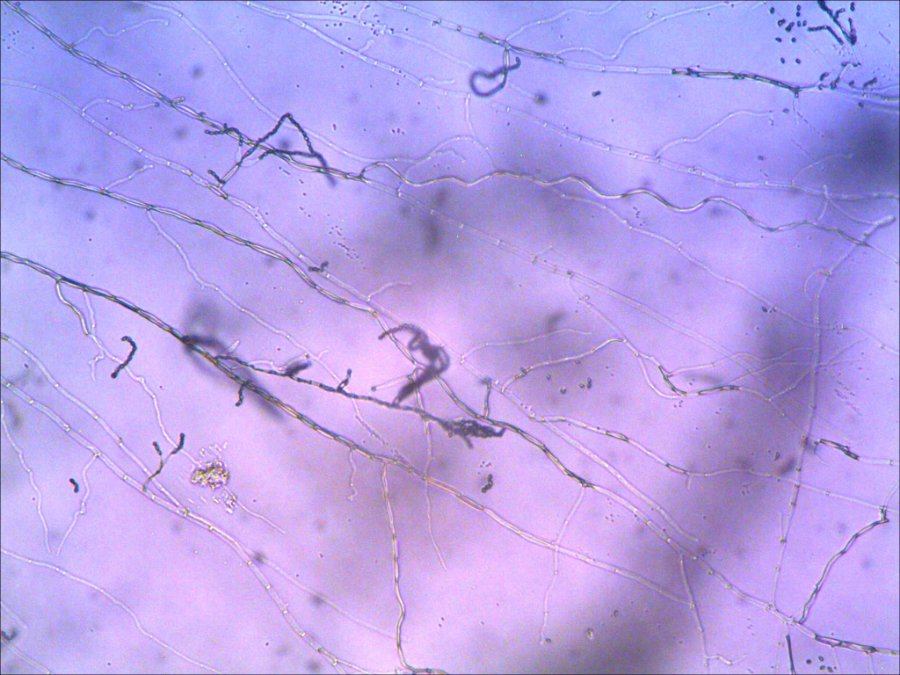
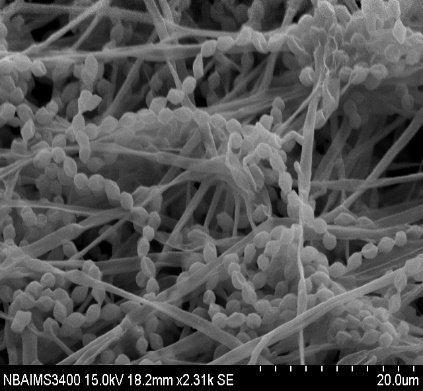
Obligate bacterial hyperparasite, Pasteuria penetrans
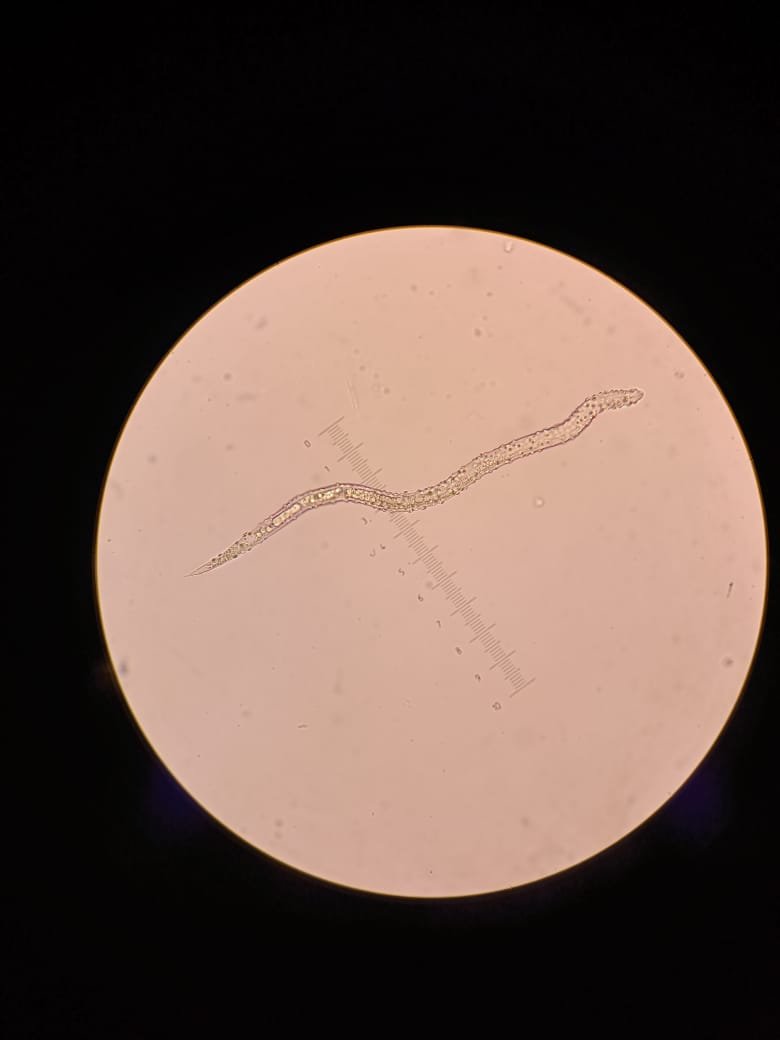

Whole genome of Purpureocillium lilacinum
Facility
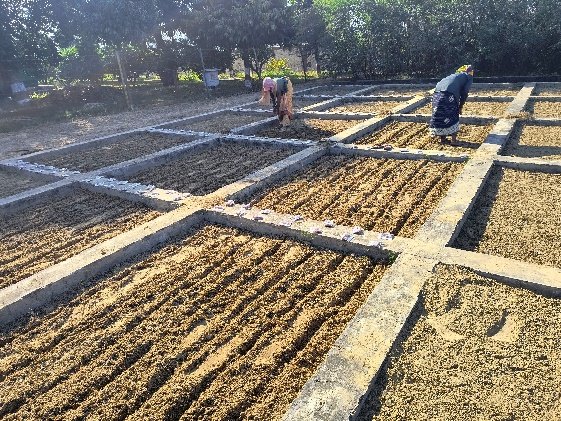
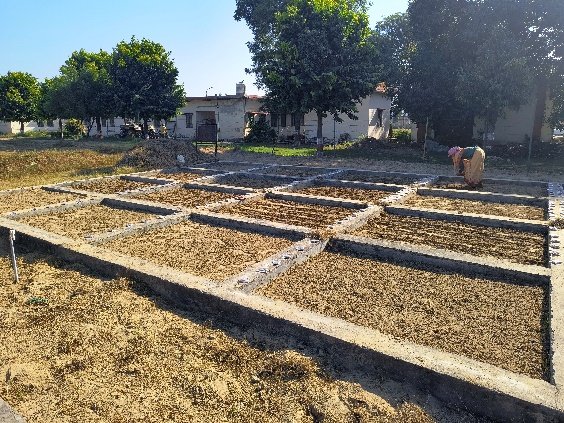
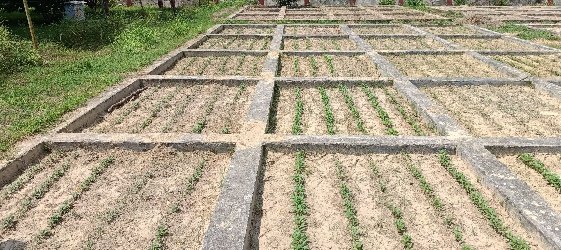
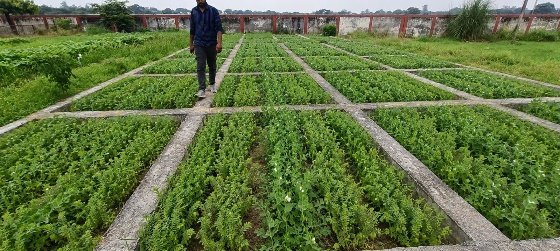
Micro Plots for Host Plant Resistance Screening
Our team
Scientist Profiles
9 scientists across 4 specializations — Plant Virology, Plant Pathology, Agricultural Entomology, Nematology (Agriculture). Expand a scientist’s awards or achievements to read the full record.
 Dr. Mohd AkramPrincipal Scientist(Plant Pathology)Plant VirologyView full profile ›
 Dr. Krishna KumarPrincipal Scientist (Plant Pathology)Plant PathologyView full profile ›
Dr. R. K. MishraPrincipal Scientist (Plant Pathology)Plant PathologyView full profile ›
 Dr. Anup ChandraSenior Scientist(Agricultural Entomology)Agricultural EntomologyView full profile ›
 Dr. Sujayanand G. K.Senior ScientistAgricultural EntomologyView full profile ›
 R. JagadeeswaranScientistNematology (Agriculture)View full profile ›
 Dr. Rishikesh KumarScientistPlant PathologyView full profile ›
 Dr. RevanasiddaScientistAgricultural EntomologyView full profile ›
 Dr. Ranjitha M. R.Scientist (Entomology)Agricultural EntomologyView full profile ›
Dr. R. K. Mishra
Principal Scientist (Plant Pathology)
Specialization: Plant Pathology
Current research: Biological control of soil-borne pathogenic disease in pulses
Significant research achievements 8
- Collected and characterized more than 500 isolates of Fusarium udum from major pigeonpea-growing regions and identified five distinct races based on pathogenicity using seven wilt differentials.
- Molecularly characterized 50 representative isolates of F. udum using ITS, TEF and Histone-3 markers, and 50 isolates of Phytophthora cajani using ITS and COX markers, with sequence data deposited in NCBI; also characterized Erysiphe pisi and Macrophomina phaseolina.
- Developed Pigeonpea Milling By-product Agar (PMBA), a novel, low-cost medium utilizing pigeonpea milling waste that promotes rapid growth and sporulation of P. cajani, reducing laboratory cost, time and energy.
- Investigated defence-gene expression and induction in pigeonpea in response to F. udum and P. cajani, generating insights into host defence mechanisms and disease resistance.
- Characterized 200 native Trichoderma isolates representing nine species and 100 PGPR isolates (Pseudomonas and Bacillus) from pulse-crop rhizospheres, identifying promising strains for disease suppression and plant growth promotion.
- Identified stress-tolerant Trichoderma strains IIPRTh-31 and IIPRTh-33, characterized key mycolytic genes (ech-42 and xyn-2), and deposited their whole-genome sequences in NCBI; also identified the novel PGP bacterium Pseudomonas guariconensis IIPRMKCP-9.
- Developed and commercialized or licensed bioformulations including DALHANDERMA, Pulse Booster, Dalhan Bio-consortia, DalhanMonos, Nano-Tricho-1 and Pulse Bio-Guard, targeting soil- and seed-borne diseases while promoting plant growth and yield.
- Registered elite Trichoderma strains IIPRTh-31 and IIPRTh-33 with ICAR-NBAIM, obtained multiple ICAR technology certifications, secured a patent for Nano-Tricho-1, and licensed major technologies to industry partners, demonstrating successful translation of research into farmer-oriented pulse protection products.
3 of the 9 profiles come without a photograph, so those cards carry a monogram instead. The confirmation block for Fusarium wilt is given as 32 entries, but 5 of them appear twice in the list — IPC-20-34, IPC-21-31, IPC-21-32, IPC-22-12, IPC-97-29 — so 27 distinct entries are named. Both the stated count and the list are reproduced above as supplied.
Personnel
Technical Staff
| S.No. | Name | Designation | |
|---|---|---|---|
| 1 | Mr. SPS Chauhan | Chief Technical Officer | — |
| 2 | Mr. Manish Pandey | T-1 | manishpandey365@gmail.com |
| 3 | Mr. Ravin Umrao | T-1 | — |