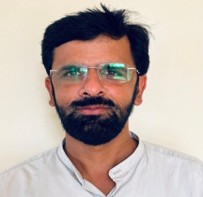
Dr. P. R. Sablae
Senior Scientist
University of Agricultural Sciences Campus, Dharwad – 580 005, Karnataka — serving the pulses research and extension needs of southern India.
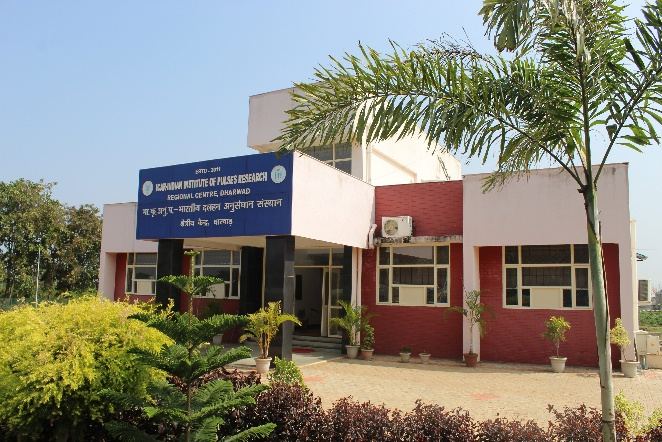
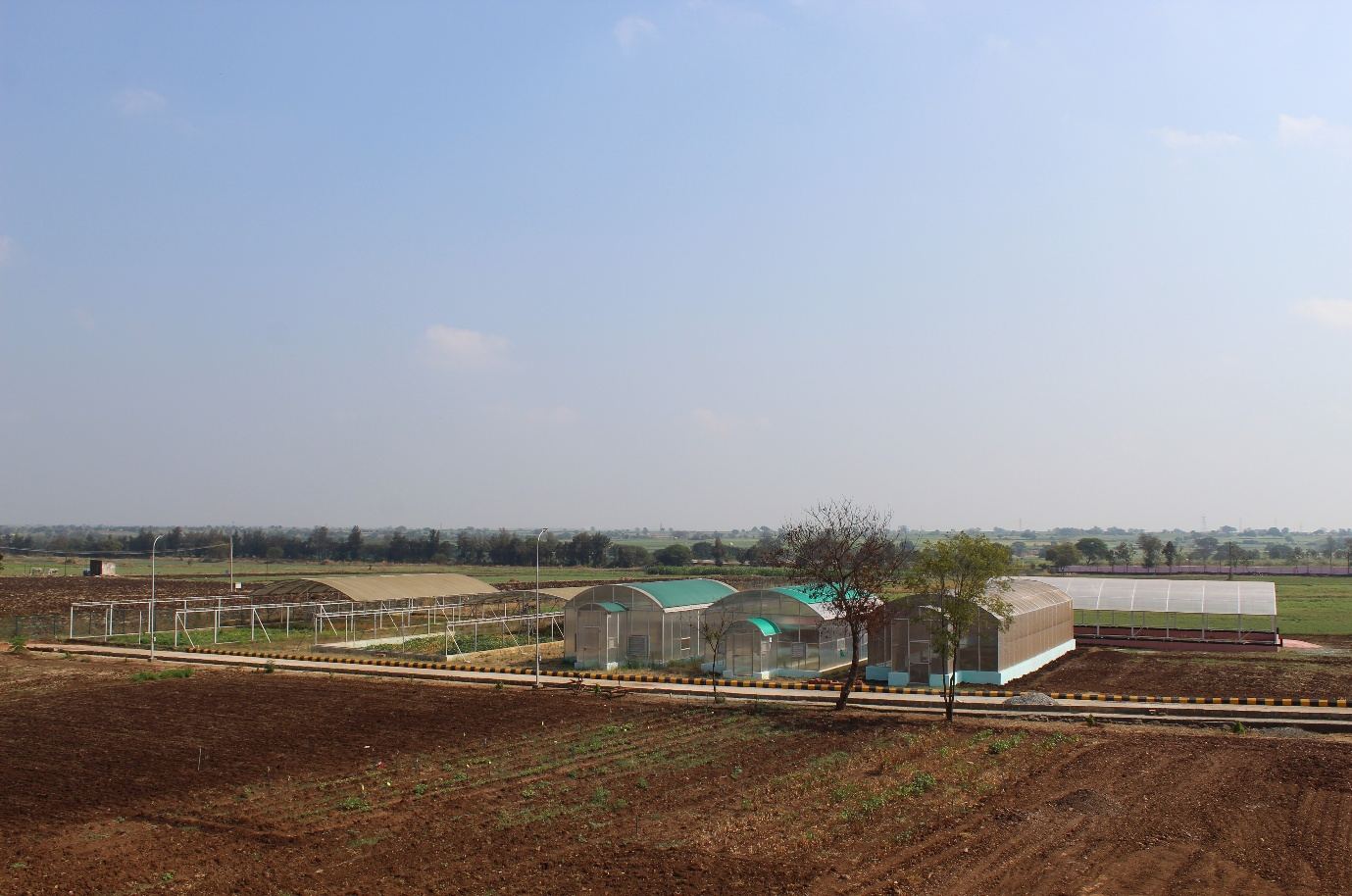
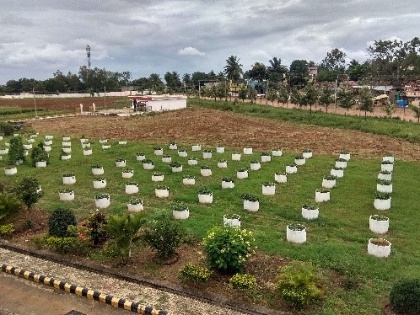
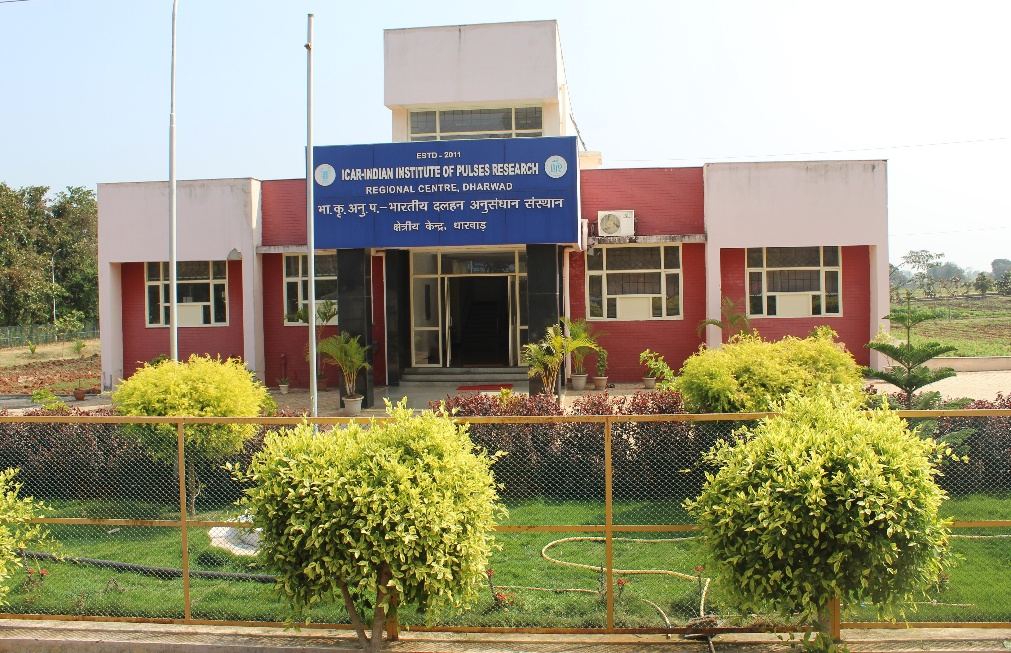
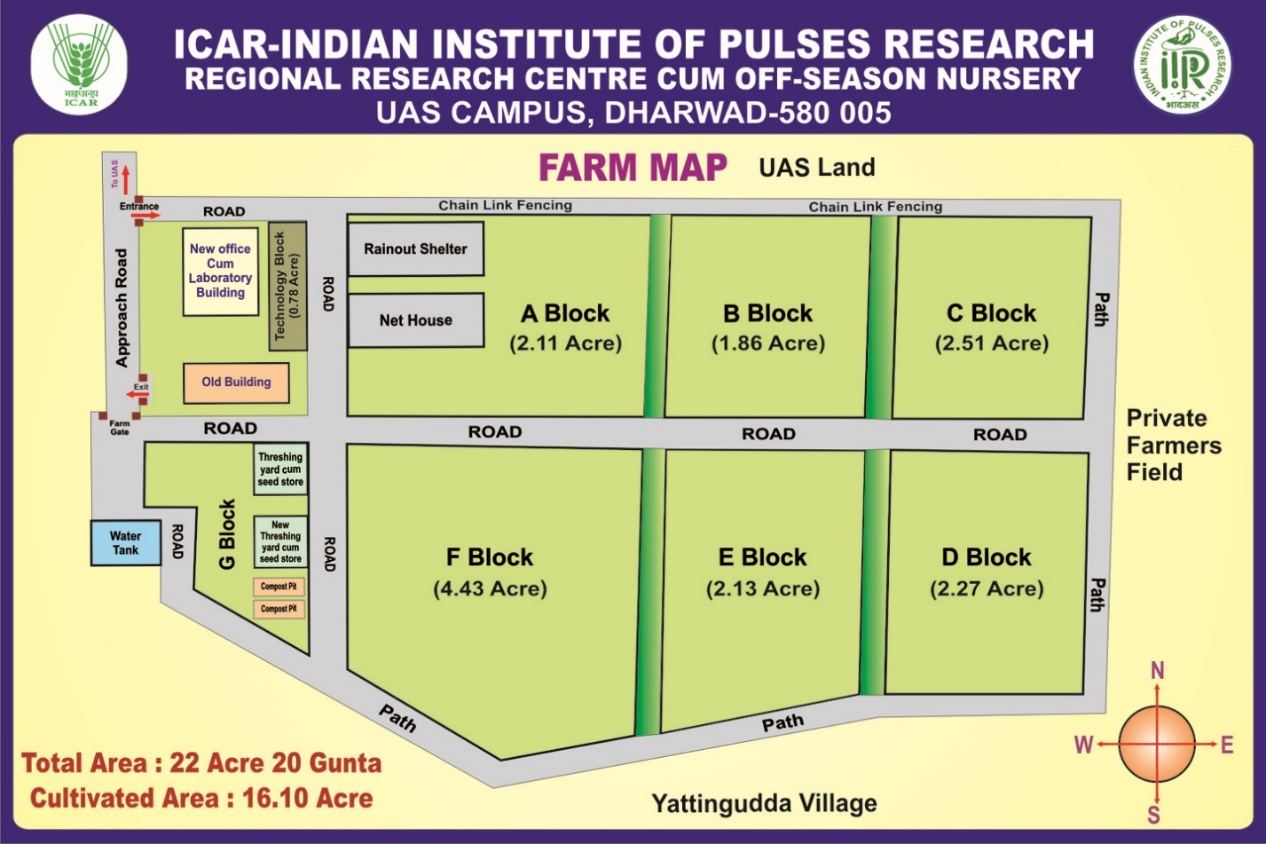
The ICAR-Indian Institute of Pulses Research (IIPR), Kanpur established a Regional Station cum Off-Season Nursery at Dharwad in Karnataka during 2011 to enhance pulses production and productivity in southern India. The Regional Research Station is located in the University of Agricultural Sciences campus near Yattinagudda village and is about 5 km from Dharwad city, 9 km from Dharwad railway station and 27 km from Hubli airport.
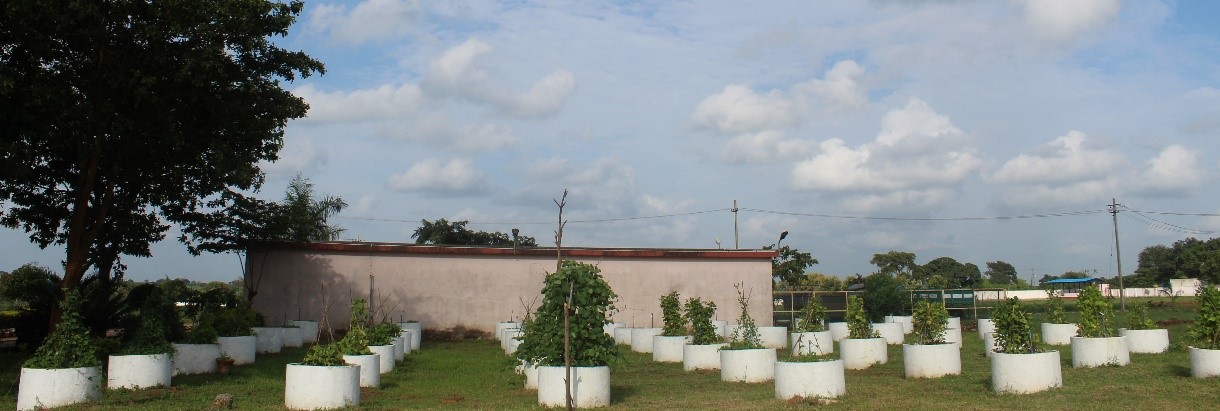
The centre started functioning from April 2012 onwards from the Sericulture building of the university. The station has a total of 22.20 acres of land, with 16.10 acres of cultivable land for research activities.
Mandate crops
Mandate of the station
Major thrust / focus areas of research
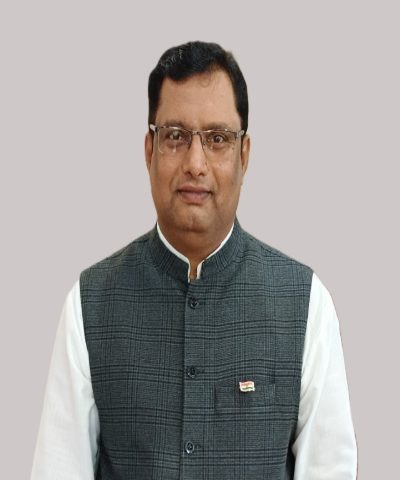 Dr. M. H. KodandaraamPrincipal ScientistAgricultural EntomologyView full profile ›
Dr. P. R. SablaeSenior ScientistPathologyView full profile ›
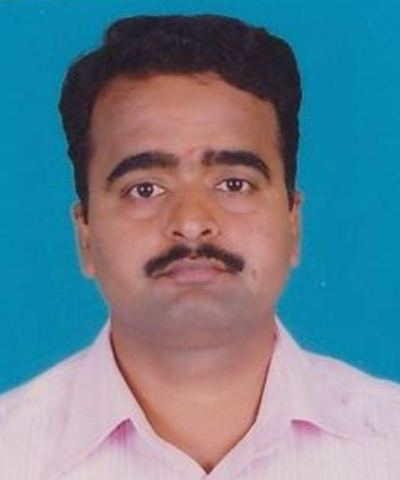 Dr. Revanappa BSenior Scientist(Plant Breeding)Plant BreedingView full profile ›
 Dr. B. ManuScientistPlant BreedingView full profile ›
 Mr. Nikhil Ramrao MohiteSenior Technical AssistantTechnicalView full profile ›
Dr. P. R. Sablae
Senior Scientist
Mr. Nikhil Ramrao Mohite
Senior Technical Assistant
Human resources
| S.No. | Cadre | Sanctioned | Filled | Vacant |
|---|---|---|---|---|
| 1 | Scientific | 5 | 05 | 0 |
| 2 | Technical | 2 | 01 | 1 |
| 3 | Administration (UDC and LDC) | 2 | 0 | 2 |
Institute funded projects
| S.No. | Project title | PI / Co-PI | Duration |
|---|---|---|---|
| 1 | Breeding for enhanced yield and multiple stress-resistant cowpea (Vigna unguiculata (L.) Walp.) for southern India | B. Manu (PI) | 2025–30 |
| 2 | Breeding for high-yielding, multiple stress-resistant and nutrient-rich urdbean cultivars for diverse agro-ecologies | B. Manu (Co-PI) | 2025–30 |
| 3 | Development of climate-resilient, high-yielding and nutrient-dense short-duration pigeonpea for wider adaptability | B. Manu (Co-PI) | 2025–30 |
| 4 | Development of high-yielding, climate-resilient horsegram (Macrotyloma uniflorum L.) resistant to powdery mildew and yellow mosaic disease | Revanappa (PI) | 2025–30 |
| 5 | Development of early maturing and high-yielding spring/summer mungbean with heat stress tolerance | Revanappa (Co-PI) | 2025–30 |
| 6 | Development of high-yielding and climate-resilient chickpea with improved plant types | Revanappa (Co-PI) | 2025–30 |
| 7 | Breeding for enhanced yield and multiple stress-resistant cowpea (Vigna unguiculata (L.) Walp.) for southern India | Revanappa (Co-PI) | 2025–30 |
| 8 | Management of pigeonpea diseases caused by SMD and wilt complex | P. R. Sabale (PI) | 2025–30 |
| 9 | Population dynamics of emerging insect pests of Vigna pulses (cowpea, mungbean and urdbean) and their management in the northern transitional zone of Karnataka | M. H. Kodandaram (PI) | 2025–30 |
| 10 | Sustaining crop productivity for pulse-based cropping systems through integrated nutrient management in vertisols of peninsular India | Dr. S. L. Patil (PI) | 2021–22 to 2025–26 |
| 11 | Innovative extension approaches for livelihood and nutritional security through pulse production technology in India, and impact assessment | Dr. S. L. Patil (PI) | 2021–22 to 2025–26 |
Externally funded projects
| S.No. | Project title | PI / Co-PI | Duration |
|---|---|---|---|
| 1 | Supply chain of pulses in major pulse producing states of India with focus on eastern states (Department of Consumer Affairs, Govt. of India) | M. H. Kodandaram (PI), B. Manu (Co-PI) | 2025–26 |
| 2 | Seed production and quality enhancement (ICAR funded) | Dr. Revanappa, Dr. B. Manu | — |
| 3 | Genetic enhancement of minor pulses (DBT funded) | Dr. Revanappa | — |
| 4 | Genetic mapping of fusarium wilt and SMD in pigeonpea (ICAR funded) | Dr. P. R. Sable | — |
Seed production
The station is involved in breeder and quality seed production of pulse crops — mungbean, urdbean, cowpea, horsegram and chickpea varieties released for the southern zone.
Institutional activities
Organizing institutional activities and programmes such as Parthenium Awareness Week, Vigilance Awareness Week, World Pulses Day, World Environment Day, Swachhata Pakhwada, Van Mahotsav and field days under the SCSP programme, both at the research farm and in farmers’ fields.
Extension activities
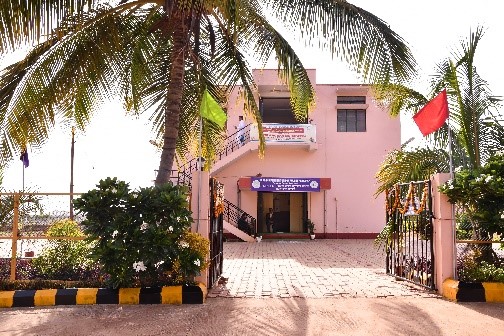
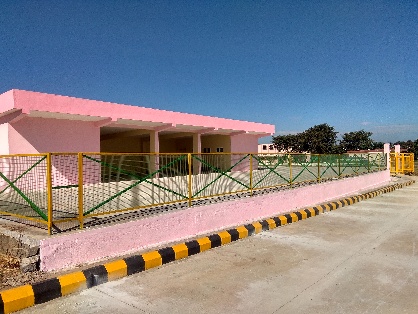
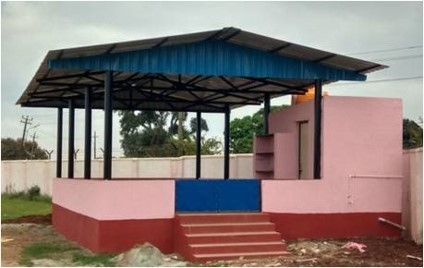
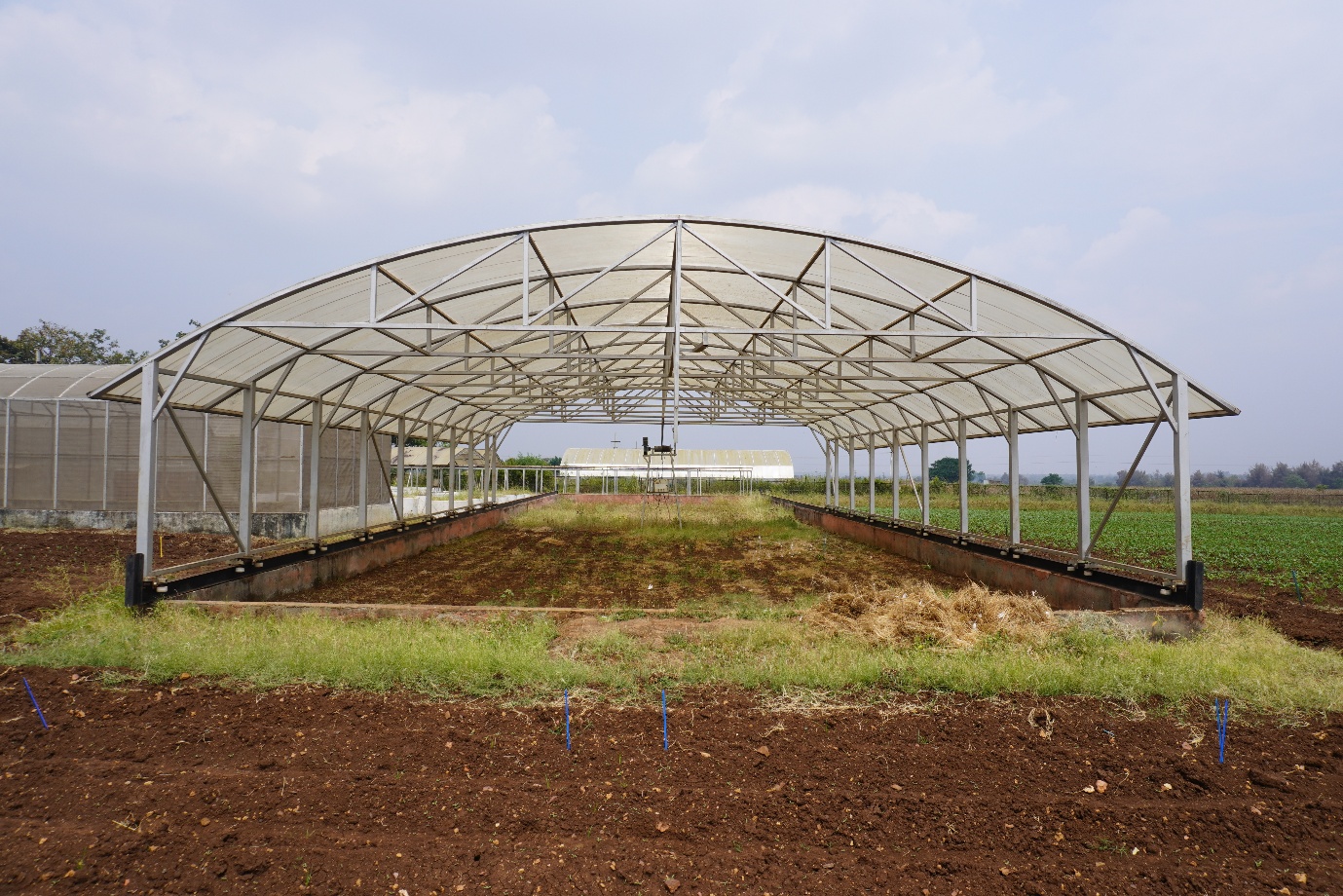
Infrastructure
Laboratory equipment
| S.No. | Name of equipment | Quantity |
|---|---|---|
| 1 | Vertical autoclave | 01 |
| 2 | Hot air oven | 02 |
| 3 | Laminar air flow cabinet | 01 |
| 4 | Digital pH meter | 02 |
| 5 | BOD incubator | 01 |
| 6 | Display kiosk | 01 |
| 7 | Double distillation unit | 02 |
| 8 | Orbital shaking incubator | 01 |
| 9 | Micro centrifuge | 01 |
| 10 | Hot water bath | 01 |
| 11 | Electronic balance | 01 |
| 12 | Weighing balances | 02 |
| 13 | GPS satellite model | 01 |
| 14 | Moisture meter | 01 |
| 15 | Humidity temperature meter | 01 |
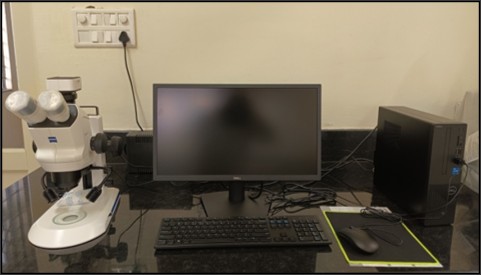
| 16 | Stereo zoom microscope with image analyser | 01 |
| 17 | Refrigerator | 04 |
| 18 | Sewing machine (hand held) | 01 |
| 19 | Portable water purification system | 01 |
| 20 | Trinocular research microscope | 01 |
| 21 | Podium | 01 |
| 22 | Interactive board | 01 |
| 23 | Sony camera | 01 |
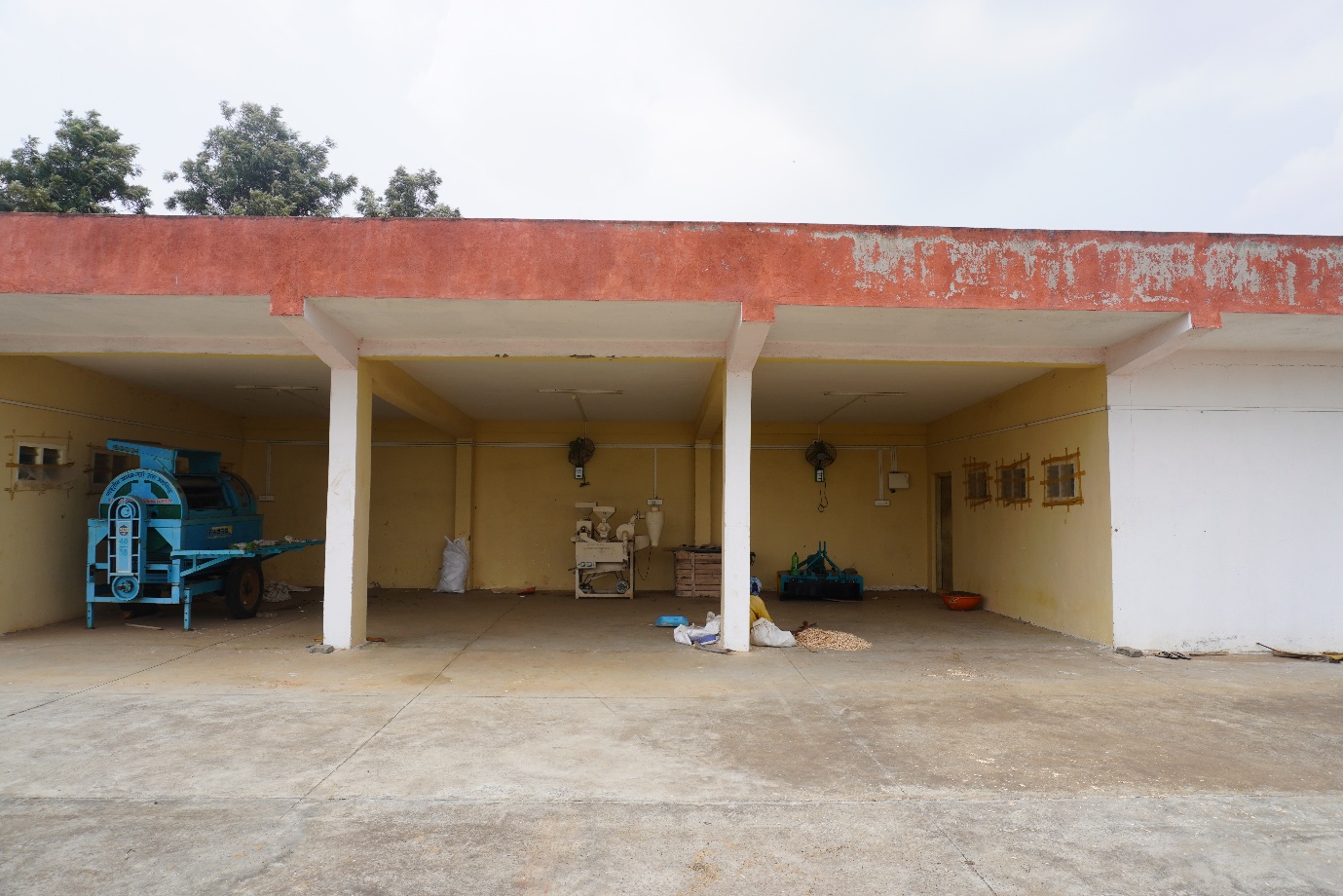
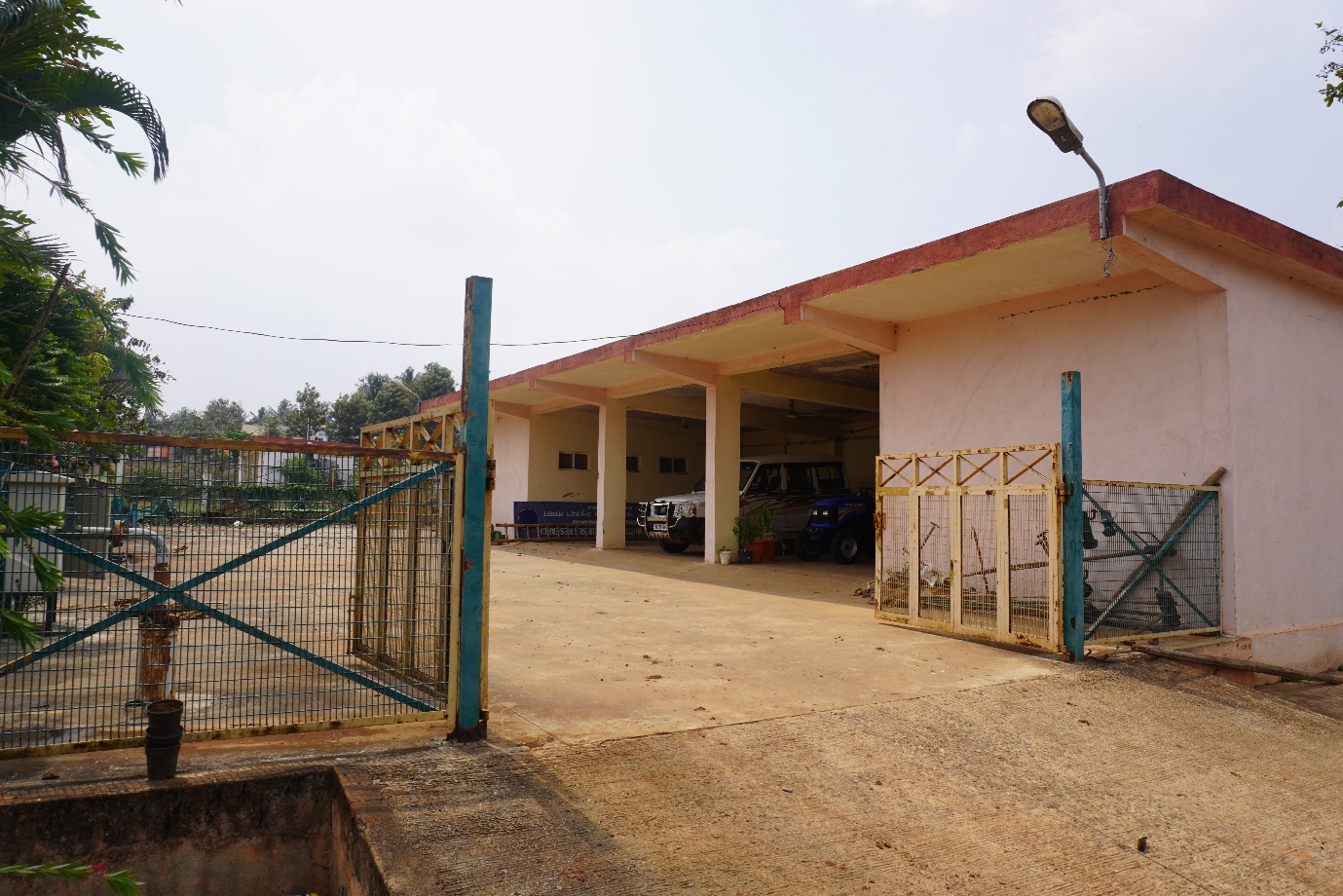
Office vehicle and farm implements
| S.No. | Name of equipment | Quantity |
|---|---|---|
| 1 | Jeep (Tata Sumo) | 01 |
| 2 | Farm tractor | 01 |
| 3 | Four-wheel drive power-operated mini tractor | 01 |
| 4 | Motor bike | 01 |
| 5 | Portable power sprayer | 01 |
| 6 | Tractor with hydraulic trolley | 01 |
| 7 | Brush cutter machine | 02 |
| 8 | Disc harrow | 01 |
| 9 | Rotavator | 01 |
| 10 | Tractor mounted bund former | 01 |
| 11 | Seed cum fertilizer drill | 01 |
| 12 | Raised bed planter | 01 |
| 13 | Multipurpose thresher | 01 |
| 14 | Seed grader | 01 |
| 15 | Lawn mower | 01 |
| 16 | Double reversible mould board plough | 01 |
| 17 | Mini dall mill | 01 |
| 18 | Manual operated tractor trolley | 01 |
| 19 | Water tanker | 01 |
| 20 | Single mould board plough | 01 |
| 21 | Land leveller | 01 |
| 22 | Cultivator | 01 |
| 23 | Bund maker | 01 |
| 24 | Blade harrow | 01 |
| 25 | Manual seed drill | 01 |
| 26 | Sprinkler set | 01 |
| 27 | Battery operated sprayer | 01 |
| 28 | Micro oven | 01 |
| 29 | Seed counter | 01 |