भाकृअनुप- भारतीय दलहन अनुसंधान संस्थान ICAR-Indian Institute of Pulses Research Pulses For Nutritional Security
  1. Home
  2. Division of Plant Biotechnology

Division of Plant Biotechnology

Molecular biology and advanced biotechnological innovation for pulse crop enhancement — genome editing, functional genomics and molecular breeding, from CRISPR constructs to containment-grown regenerants.

Established 2015

About the Division

Established in early 2015, the Division of Plant Biotechnology leverages cutting-edge molecular biology and advanced biotechnological innovations to conduct basic, strategic and translational research, accelerating advancements in pulse crop enhancement.

The Division integrates molecular biology, functional and computational genomics, molecular breeding, plant tissue culture, genetic transformation and genome-editing platforms to identify, characterize and deploy genes and alleles associated with agronomic performance and resilience to biotic and abiotic stresses. A distinctive strength of the Division lies in its pioneering work on recalcitrant pulse species such as chickpea, pigeonpea and mungbean, where robust regeneration, transformation and gene-validation systems have been established. Parallel efforts are underway in lentil, lathyrus and urdbean to expand these platforms. These technological frameworks underpin functional genomics, precision gene editing and the development of climate-resilient, resource-efficient cultivars.

Through interdisciplinary research, institutional and externally funded projects, collaborative programmes and human-resource development, the Division plays a pivotal role in strengthening national capacity in pulse biotechnology and in translating laboratory innovations into practical crop-improvement solutions that contribute to food and nutritional security.

2015

Division established

6

Pulse crops on the transformation platform

22

Documented research achievements

9

Scientific and technical staff

Focus

Thrust Areas

Advanced genome editing for pulse crop improvement

Harnessing CRISPR/Cas and other cutting-edge tools to accelerate genetic gains in pulses.

Functional genomics

Identification, validation and characterization of key genes underpinning resilience to stress and desired traits.

Molecular breeding through QTL mapping and marker-assisted introgression

Deploying genomic resources to integrate stress-tolerance traits into elite cultivars.

Research

Major Research Achievements

22 achievements across 5 areas — from precision breeding and multi-omics through to the genetic and genomic resources and laboratory methods the Division has contributed.

1Genome editing for precision breeding

  • Using CRISPR/Cas9-based genome editing in pulses, the Division is developing chickpea lines targeting the Efl1 locus for early flowering, with two putative lines flowering in under 30 days with enhanced yields.
  • Developed black gram lines using a multiplex tRNA-based gRNA expression system targeting VmCKXs and HP6, with increased seed size in the T1 generation.
2Integrative multi-omics for functional insights

  • Transcriptome analysis of heat-stress tolerant and susceptible chickpea genotypes revealed that mostly small heat shock proteins and pectin methyl esterase and its inhibitor were upregulated in flowers exposed to high temperature in heat-susceptible genotypes.
  • Integrated genome sequencing, proteome profiling and pangenome analysis of five promising Bt isolates: AK2, F1, F5, F6 and F8, led to the discovery of a 335,562-bp megaplasmid carrying multiple cry genes and a vip gene. A novel 69,124-bp plasmid harbouring genes putatively associated with virulence, heavy-metal response and antibiotic resistance was also identified, expanding genetic resources for Bt characterization and insect-resistance research.
  • Established a versatile Arabidopsis svp single-mutant complementation platform for functional validation of SVP-class MADS-box genes from chickpea and other crops.
  • Lentil proteomic studies reveal ckx2 to be flower specific and ckx5/ckx8 to be pod specific.
  • Comprehensive analysis of the NHX gene family in four Vigna species identified 47, 52, 44 and 44 NHX genes in V. angularis, V. unguiculata, V. radiata and V. mungo respectively. The ion-partitioning result supports the effluent mechanism of Na+/K+ ions in the tolerant genotype identified under salt stress, which was also supported by biochemical analysis.

3Genetic resources

  • MABC chickpea variety IPCL4-14 in the background of DCP 92-3, notified and released in 2021 for NEPZ, harbouring the QTL hotspot for drought tolerance.
  • 31 low-ODAP gamma-irradiated mutant lines with ODAP content ranging from 0.015% to 0.035%; these lines are currently in the M5 generation.

4Genomic resources

  • ODAP synthase gene (GenBank accession no. MZ127288) and LsCAS (GenBank accession no. PV838138) gene sequences of grasspea.
  • Two QTLs each for Fusarium wilt and sterility mosaic disease resistance in pigeonpea.
  • Chromosomes 2, 4 and 6 identified as the major QTL regions governing salinity tolerance in chickpea.
  • Identified critical InDel variations (5 bp and 8 bp deletions) in the intron and promoter region of pigeonpea ELF6 by multiple sequence alignment study of 142 genomic datasets.
  • Identified 36 lncRNAs and 9 microRNAs potentially associated with flowering pathways in pigeonpea using transcriptome data of 30 stages/tissues (ATLAS).
  • Developed an R-marker derived from the 10-bp InDel in the promoter region of the RPD1 (Root Primordium Defective 1) gene that successfully differentiates the A4-CMS and maintainer lines from the restorer line and accurately validates true hybrids in pigeonpea.

5Methods developed

  • Developed a CRISPR/Cas9-based genome editing system (SDN1) for chickpea, demonstrating knock-out of the PDS gene.
  • Developed a protocol for composite chickpea plants employing Rhizobium rhizogenes (strain A4).
  • Developed an efficient and reproducible Agrobacterium rhizogenes-mediated hairy root transformation protocol in grasspea.
  • Developed efficient in vitro regeneration systems amenable to genetic transformation for lentil, blackgram, grasspea and green gram.
  • Established a seed-chipping protocol for grasspea that enables genotyping while preserving seed viability for generation advancement.
  • Developed a suction pressure-based Agrobacterium-mediated genetic transformation protocol in urdbean.
  • Developed a Hydroponics-based Phenotyping System (HydroPheS) and gained a design certificate for it under design registration no. 432772-001 in the name of ICAR-IIPR.
Research highlights

Salient Achievements

1Multi-stress responsive chickpea WRKY transcription factor

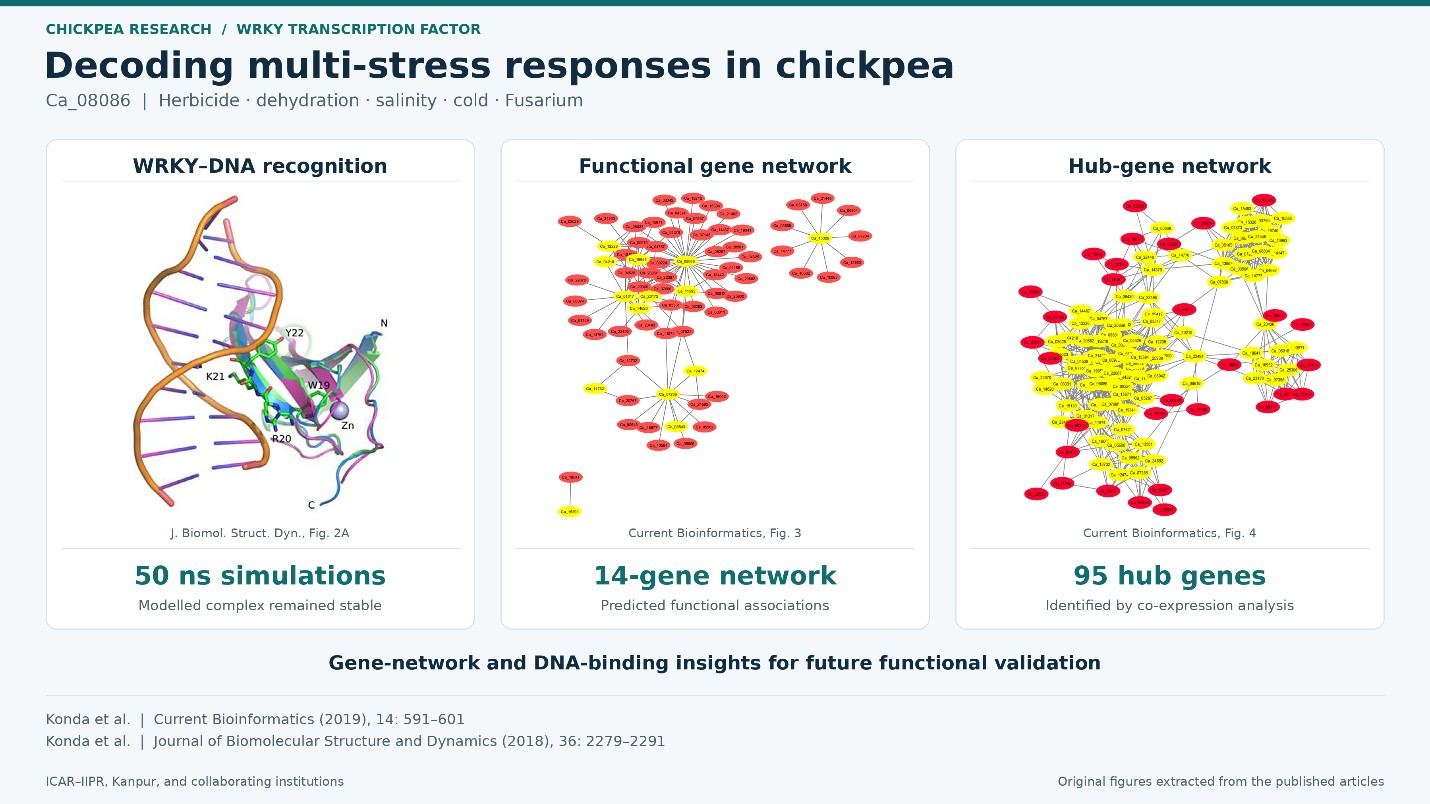
Identified a multi-stress responsive chickpea WRKY transcription factor responsive to herbicide, dehydration, salinity, cold and Fusarium stress. Structural modelling predicted DNA-binding residues, while molecular simulations supported WRKY–DNA complex stability. Systems biology analyses revealed a predicted 14-gene functional network and 95 stress-associated hub genes, providing candidates for functional validation towards improving chickpea stress resilience.

Source: Journal of Biomolecular Structure and Dynamics, 2018Current Bioinformatics, 2019

Decoding multi-stress responses in chickpea — WRKY–DNA recognition, functional gene network and hub-gene network

2Cis-engineered pod-specific promoter for legumes

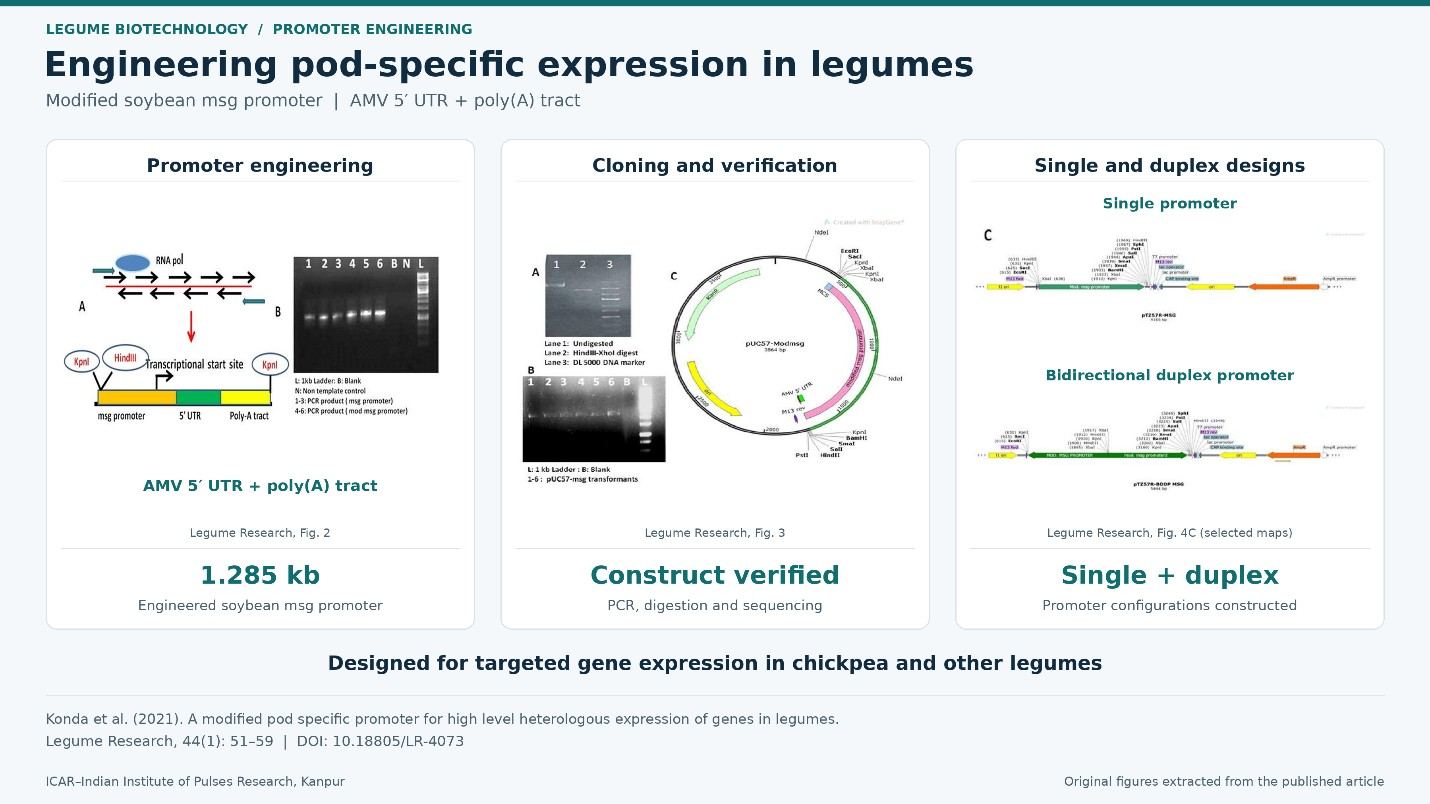
Developed a cis-engineered pod specific promoter by modifying soybean msg promoter designed for enhanced, pod-specific gene expression in legumes, incorporating regulatory elements intended to improve mRNA stability and protein production. Single and bidirectional duplex promoter constructs were developed for targeted expression of one or two genes. These tools offer potential applications in insect resistance and nutritional improvement of chickpea and other legumes.

Source: Legume Research, 2021

Engineering pod-specific expression in legumes — promoter engineering, cloning and verification, single and duplex designs

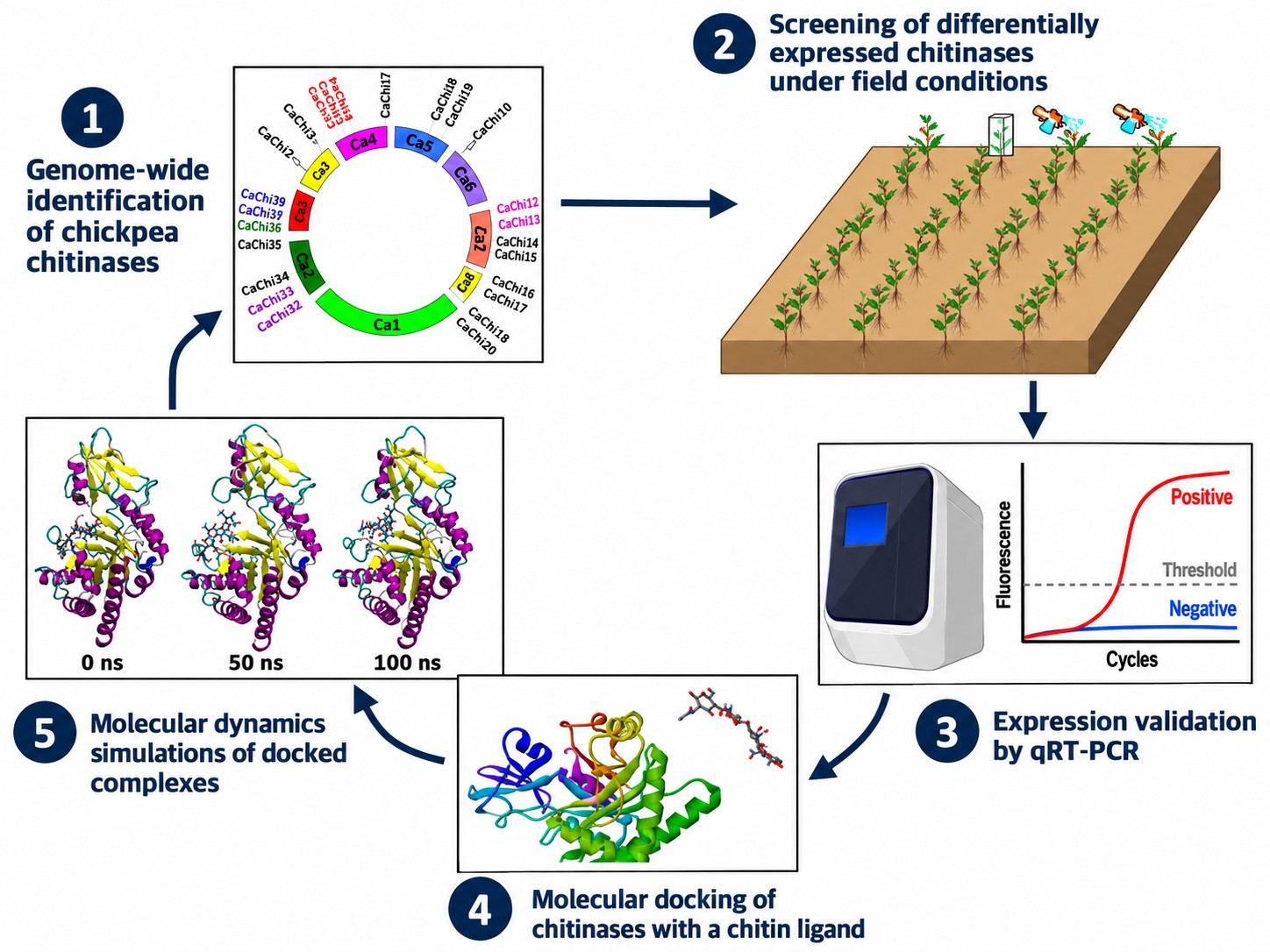
3Chickpea chitinase genes and pod borer defence

Identified 28 chickpea chitinase genes, advancing understanding of defence responses to pod borer (Helicoverpa armigera). Field expression profiling highlighted Car_Chit-19 as herbivory-responsive and Car_Chit-4 as strongly responsive to salicylic acid. Molecular modelling prioritized Car_Chit-17, Car_Chit-14 and Car_Chit-27 for biochemical characterization, supporting functional validation towards developing insect-resistant chickpea.

Source: BMC Plant Biology, 2026

Genome-wide identification, field screening, qRT-PCR validation, molecular docking and dynamics of chickpea chitinases

4Genome, proteome and pangenome of Bt isolates

Integrated genome sequencing, proteome profiling and pangenome analysis of five promising Bt isolates: AK2, F1, F5, F6 and F8, led to the discovery of a 335,562-bp megaplasmid carrying multiple cry genes and a vip gene. A novel 69,124-bp plasmid harbouring genes putatively associated with virulence, heavy-metal response and antibiotic resistance was also identified, expanding genetic resources for Bt characterization and insect-resistance research.

Source: Unpublished

Facilities & services

What the Division Offers

1

Biotechnology & molecular-breeding laboratories

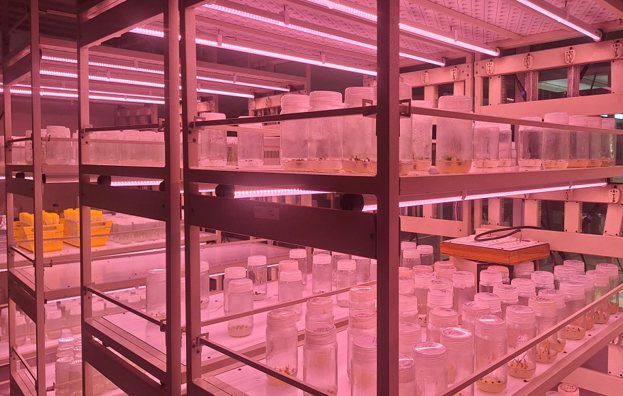
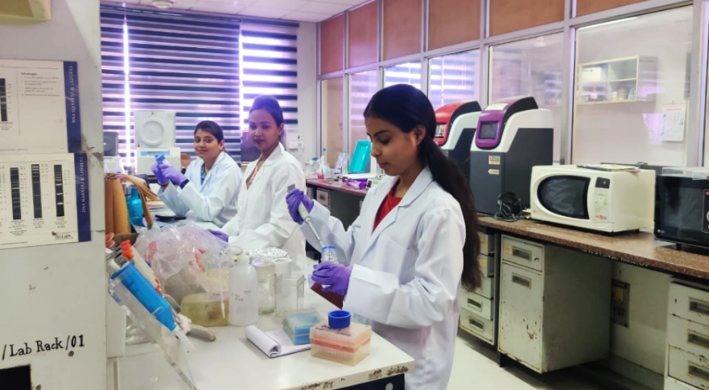
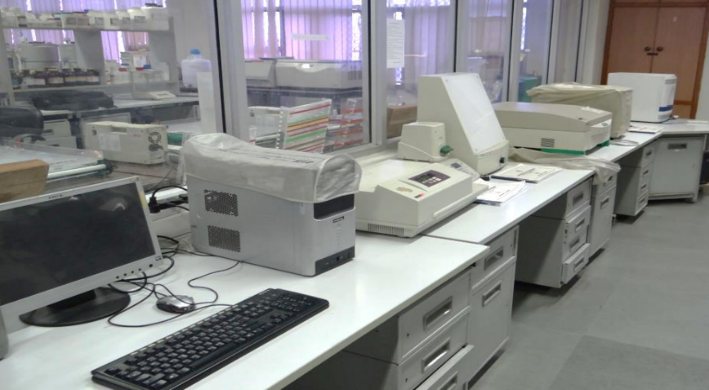
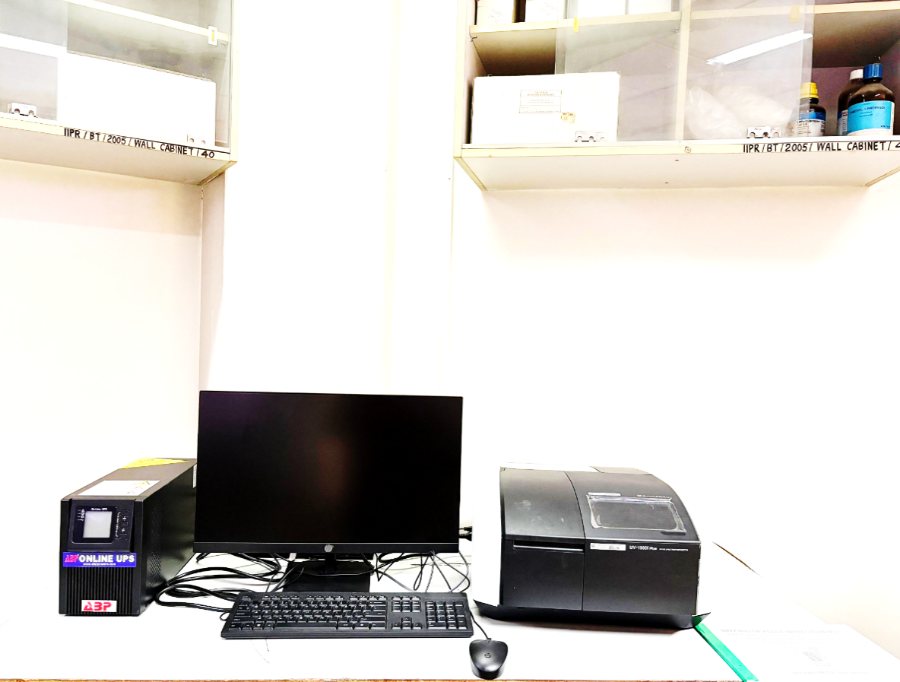
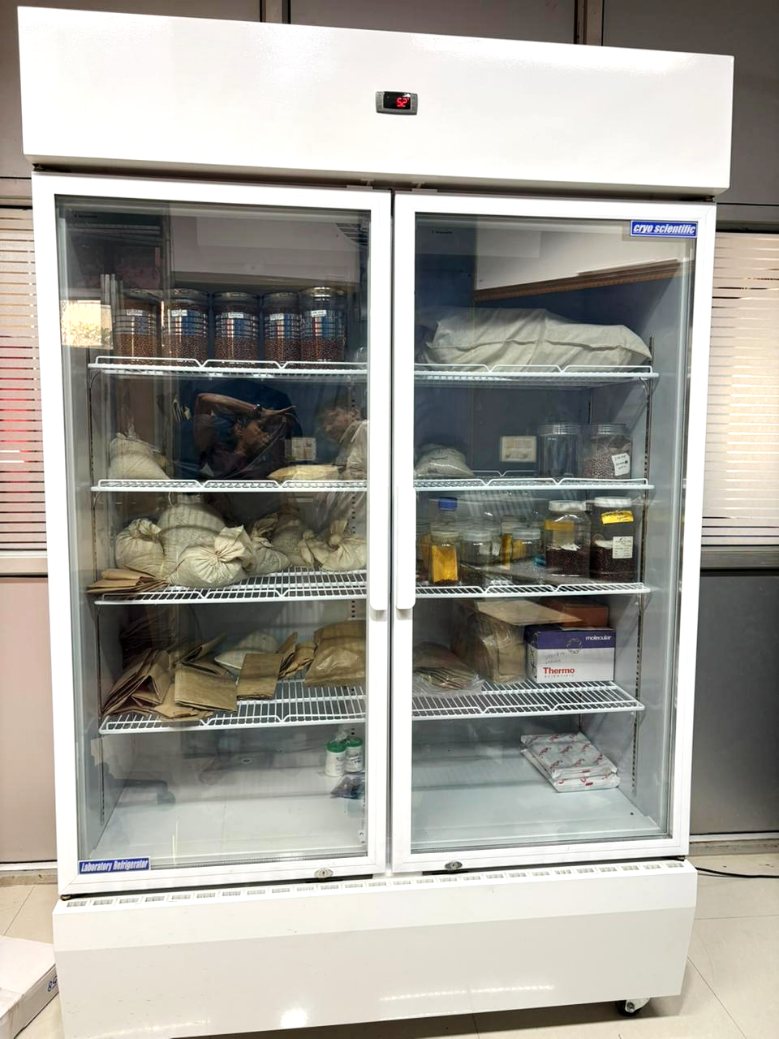
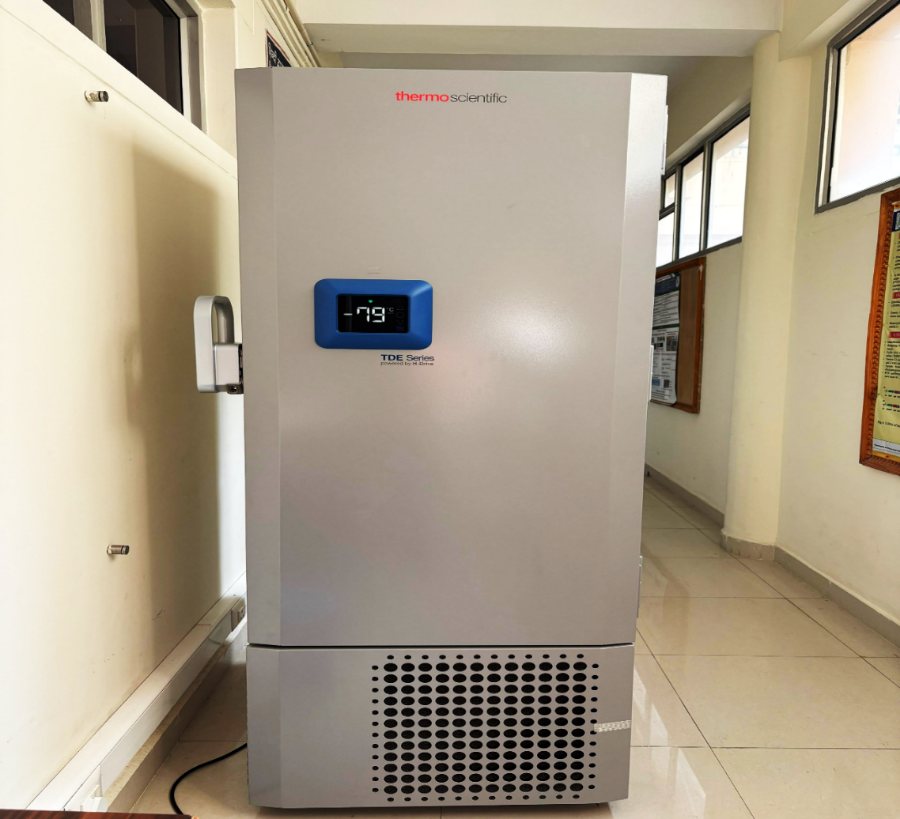
Equipped for tissue culture, plant hardening, insect bioassays, PCR and real-time PCR, electrophoresis, imaging, microscopy, gene delivery and controlled plant growth.

2

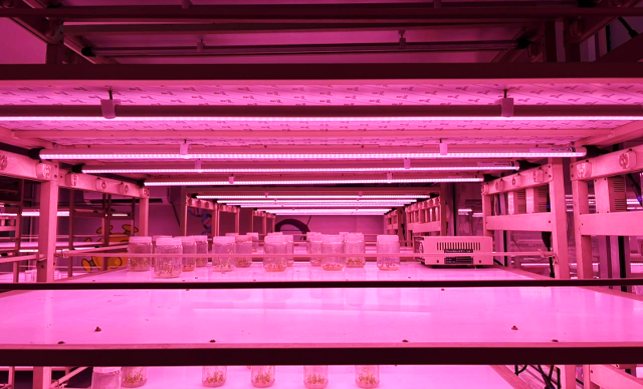
Environment-controlled plant growth chamber

With provision for exposure to elevated CO2 levels and remote access to data.

3

P-II physical containment facility

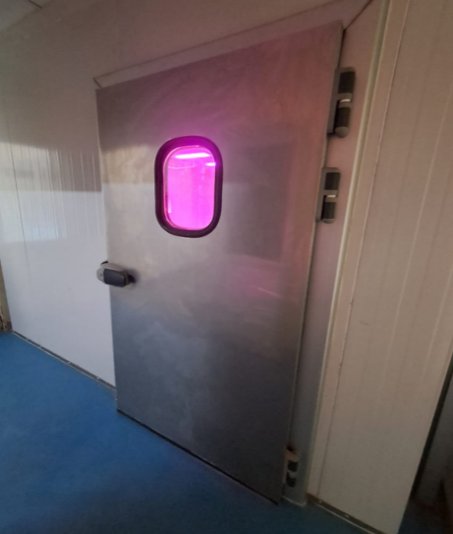
Six environmentally controlled chambers, two net houses and hardening chambers for contained evaluation of genetically modified or genome-edited plants.

4

HydroPheS

A rapid, economical and non-destructive hydroponics-based system for root and stress phenotyping.

5

Training & technical guidance

Training, student research attachments and technical guidance in tissue culture, genetic transformation, molecular markers, genomics, gene cloning, genome editing and related areas.

Infrastructure

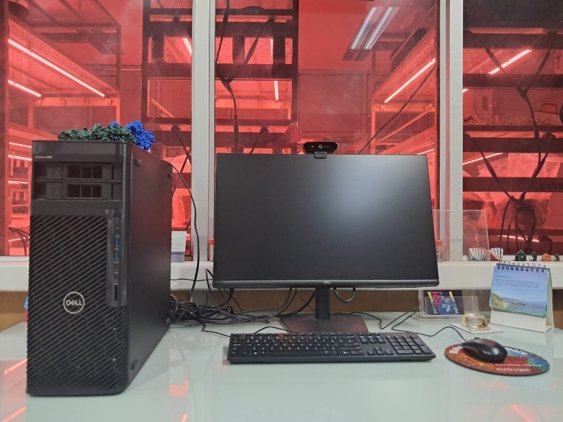
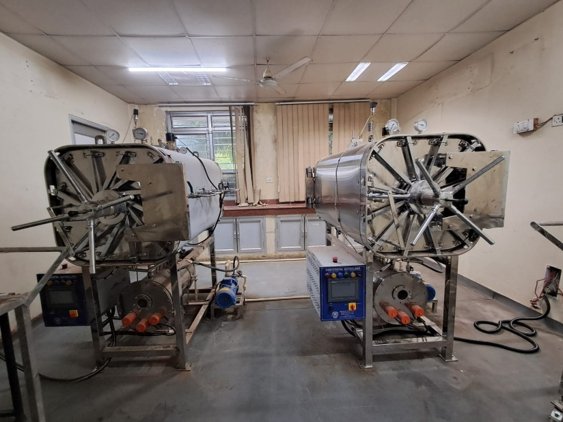
Facilities in the Division

Our team

Scientist Profiles

Expand a scientist’s awards or achievements to read the full record.

Personnel

Divisional Staff

Scientific staff

S.No.NameDesignation
1Dr. (Mrs.) Meenal RathorePrincipal Scientist and Head
2Dr. Alok DasSenior Scientist
3Dr. Shanmugavadivel P. S.Senior Scientist
4Dr. (Mrs.) Neetu S. KushwahSenior Scientist
5Dr. (Mrs.) Antara DasSenior Scientist
6Dr. Aravind K. KondaSenior Scientist
7Mr. Sudhir Kumar JhaScientist (on study leave)

Technical staff

S.No.NameDesignation
1Sh. Malkhan SinghSenior Technical Officer (T-6)
2Sh. Parvesh KumarTechnical Assistant (T-3)