IP protection & management
Identification, evaluation, filing and maintenance of intellectual property.
The Institute Technology Management Unit protects what the institute invents and moves it into the hands of industry and farmers — from invention disclosure and patent filing through valuation, licensing and commercialization.
The Institute Technology Management Unit (ITMU) at ICAR-IIPR, Kanpur functions as the institutional mechanism for intellectual property management, technology transfer and commercialization within ICAR. The ICAR Guidelines for Intellectual Property Management and Technology Transfer / Commercialization came into effect on 2 October 2006, establishing a framework for systematic IP protection and utilization.
ITMU facilitates IP identification, disclosure, evaluation, protection and maintenance — covering patents, copyrights, trademarks, designs and plant variety protection. It also supports prior-art searches, patentability assessment, technology valuation, licensing, technology transfer and commercialization.
8
Postharvest technologies offered for transfer
18
Technologies available for commercialization
10
Value-added products from milling by-products
4
Thrust areas
IP protection & management
Identification, evaluation, filing and maintenance of intellectual property.
Technology assessment & valuation
Patentability, prior-art search and technology valuation.
Technology transfer & commercialization
Licensing, transfer and commercialization of technologies.
Industry linkages & innovation
Industry collaboration, technology validation and adoption.
Machines and processes developed at ICAR-IIPR and available for technology transfer. Technologies are available individually or in bulk.

Comprising a feed hopper, a vertical rubber–steel disk mechanism (chakki) and a cyclone separator, the machine dehusks and splits pre-treated pulse grains. Grains fall from the hopper onto a feeding auger that meters them uniformly into the chakki, where dehusking and splitting take place simultaneously between the stationary rubber and rotating steel disks. Husk and small cotyledon particles are drawn off the milled product by the cyclone separator and collected in a gunny bag. Driven by a 1.5 hp single-phase motor, it gives a capacity of 75–125 kg/h for different pulses.

The mill combines a cleaner-cum-grader, emery roller, rubber–steel disk mechanism and cyclone separator. Graded grains pass through the emery roller for pitting or scratching ahead of the usual pre-treatments — water soaking or oil application. Conditioning for several hours followed by prolonged sun drying loosens the husk; the treated grains then pass through the rubber–steel vertical chakki for dehusking and splitting. Soft dehusking minimises powdering loss and the emery roller improves dehusking. Driven by a 2.0 hp single-phase motor, capacity is 75–125 kg/h for different pulses.

An improved model with a radial feed system, used to convert brokens obtained from pulse milling into ground powder (besan). A swinging beater-type rotor crushes the material until it passes through the strainer at the outlet on the lower side of the unit. Developed primarily for making besan or sattu from pulses, the machine also works successfully for grinding spices such as turmeric, coriander, red chilli and black pepper.
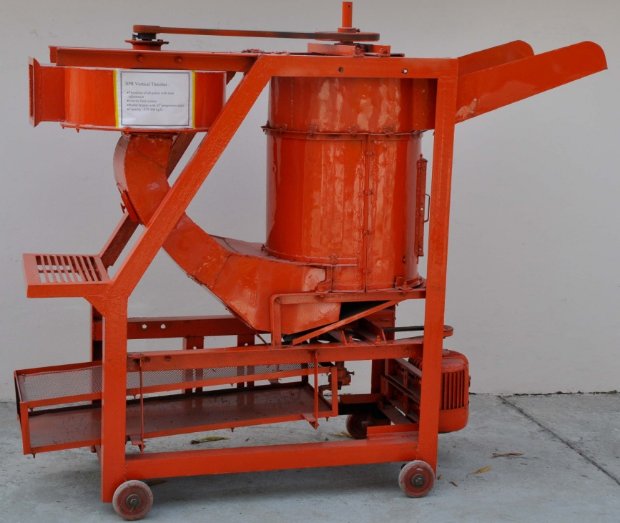
Threshing pulses is a cumbersome process, and commercially available threshers are designed for wheat — adapting them to pulses needs changes to drum sieve, cylinder–concave clearance, peg number and peg orientation, which is difficult and time consuming. This vertical thresher was designed to thresh different pulse crops without any adjustment to machine parameters. A vertical gravity feed system threshes sun-dried crop at an appropriate moisture content, and chopping blades cut the sturdy straw of pulse crops.
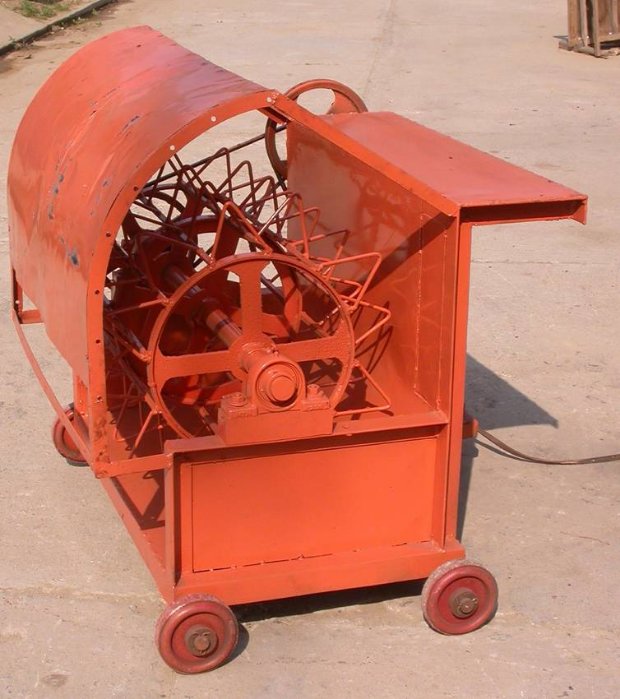
Threshing pigeonpea in commercial threshers is difficult because of the large plant size — it is hard to feed into the trough, and about half the plant is chopped and shredded in the process. Traditionally the plant is beaten with a wooden stick or pounded on a fixed surface, involving considerable drudgery. This stripper removes pods and leaves with the least damage to plant structure; the stripped material can then be threshed in any commercial thresher or in the IIPR vertical thresher.
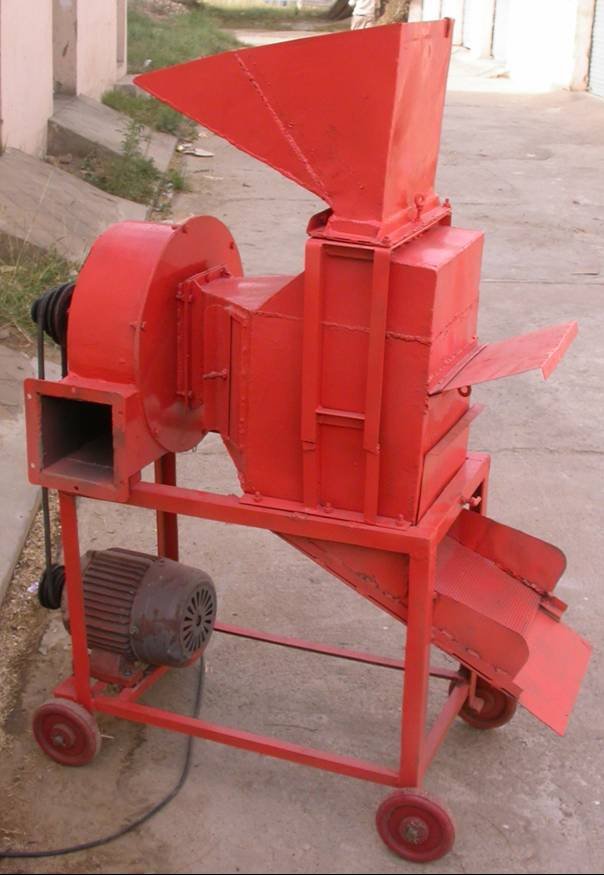
Winnowing after manual threshing is ergonomically cumbersome — the operator stands in an awkward position, facing blowing air and inhaling dust. In this winnower the operator fills a hopper that allows free fall of material in a closed chamber in two steps, while a suction blower draws light impurities away from the operator. Blower speed can be raised or lowered using a step pulley, and suction is adjusted by controlling air flow.
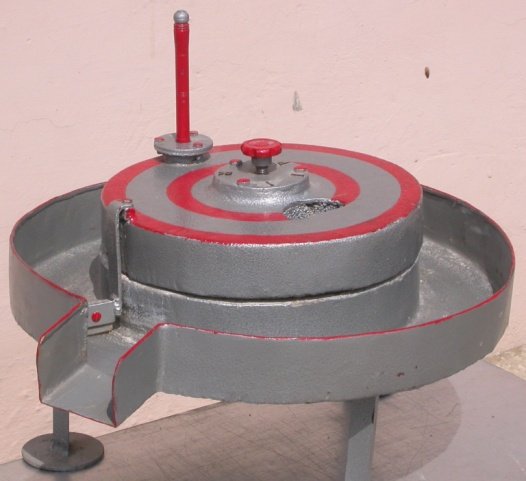
At cottage scale, dal milling is done with stone chakkies, with soaking, roasting and oil application as common domestic pre-treatments — a cumbersome process involving high drudgery. This hand-operated chakki with horizontal emery disks uses bearings at the central pivot and handle base, and provides gap adjustment between the disks. An outer channel collects the milled fractions and delivers them at a single outlet; cleaning is done with a winnowing basket.
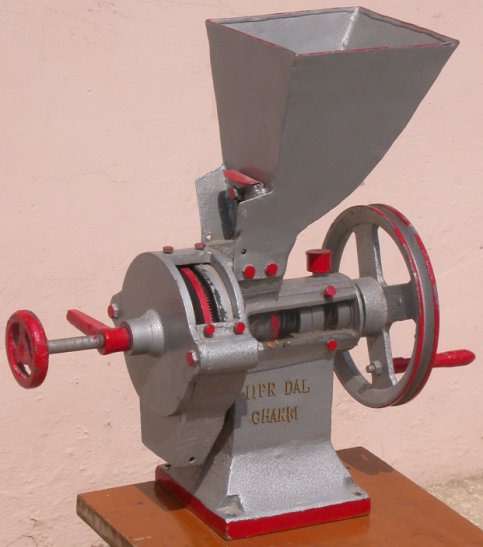
A hand-operated dal chakki using the IIPR pulse milling principle of a vertical stationary rubber disk and a rotating steel disk. It has strong potential for domestic adoption in rural areas where dal is still made on stone chakkies. Thoroughly pre-treated grains are fed from the hopper, the gap between disks is adjustable to grain size, and an auger feeding mechanism gives uniform input to the dehusking unit.
Dal recovery in abrasive dehusking units is about 70% against a potential recovery of 85% — the protein-rich outer layer of the cotyledons is scoured off and mixed with the husk. That milling by-product is rich in proteins, fibre, phenols and antioxidants, yet is usually consumed as cattle feed. The Division set out to turn it into high-value edible products for human consumption instead.
The by-product can be used as it is to develop ready-to-eat or ready-to-cook products in combination with white or whole wheat flour. Cotyledon powder and husk can also be separated by sifting through a suitable sieve: the husk serves as a phenol- and fibre-rich nutraceutical, and the cotyledon powder as a source of pulse protein. Food values of the whole grain, cotyledons, by-product and its fractions were determined, confirming the potential of the by-product for edible use.

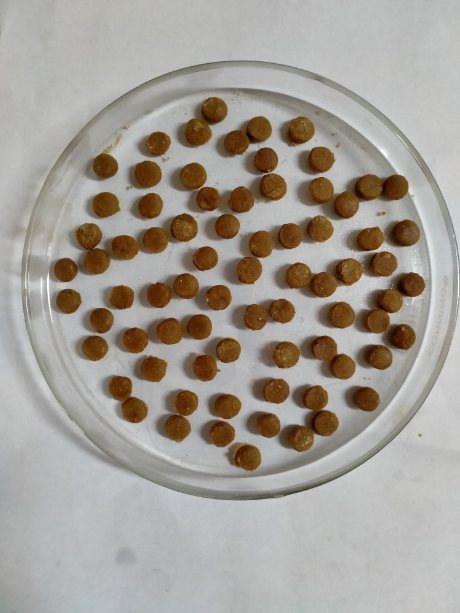
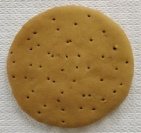
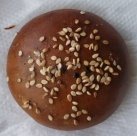

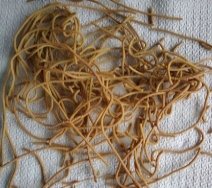
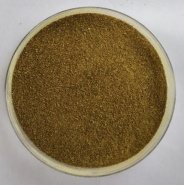
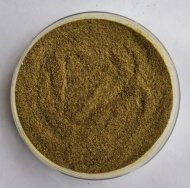

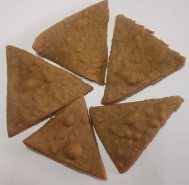
Flour (atta) mix and traditional Indian recipes are also available under this technology.
IP management & evaluation
Invention disclosure, IP documentation, portfolio management, novelty and inventive-step assessment, and technical scrutiny.
Patent filing & prosecution
Patent application preparation, coordination with patent attorneys, prosecution, examination and renewal support.
Technology valuation & commercialization
Techno-commercial assessment, technology valuation, market potential, pricing and commercialization pathway development.
Technology transfer & licensing
Licensing, technology-transfer documentation, MoA and licence agreements, MTA/NDA coordination and transfer monitoring.
IP capacity building & outreach
IP awareness, researcher training, workshops, technology showcases, exhibitions and industry meets.
Institute Technology Management Committee (ITMC)
| Name | Role |
|---|---|
| Dr. G. P. Dixit | Director & Chairman |
| Dr. R. K. Mishra | Member Secretary |
| Dr. M. Senthil Kumar | Member |
| Dr. A. K. Srivastava | Member |
| Dr. Prasoon Verma | Member |
| Dr. Raghvendra Singh | Member |
| Ms. Shreya Srivastava | Member |
The source lists Dr. Raghvendra Singh twice among the ITMC members; the name is carried once here.
Institute Technology Management Unit (ITMU)
| Name | Role |
|---|---|
| Dr. R. K. Mishra | In-Charge |
| Dr. A. K. Parihar | Member |
| Dr. Abhishek Bohra | Member |
| Dr. Man Mohan Deo | Member |
Awareness Programme on Women and IP: Accelerating Innovation and Creativity, held at ICAR-IIPR and organized by ICAR Farmers–Scientists–Industry.
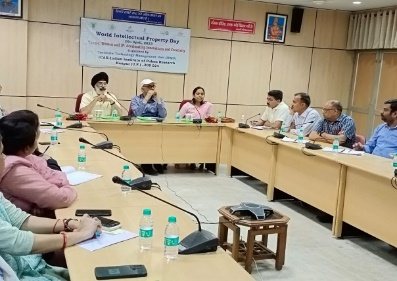
Training cum Awareness Programme on PPV&FRA at ICAR-IIPR, Kanpur.
Farmers–Scientists–Industry Stakeholders Meet, with a panel discussion between industry and FPOs.

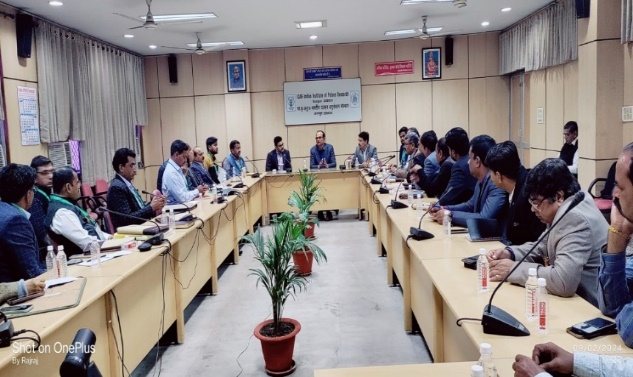
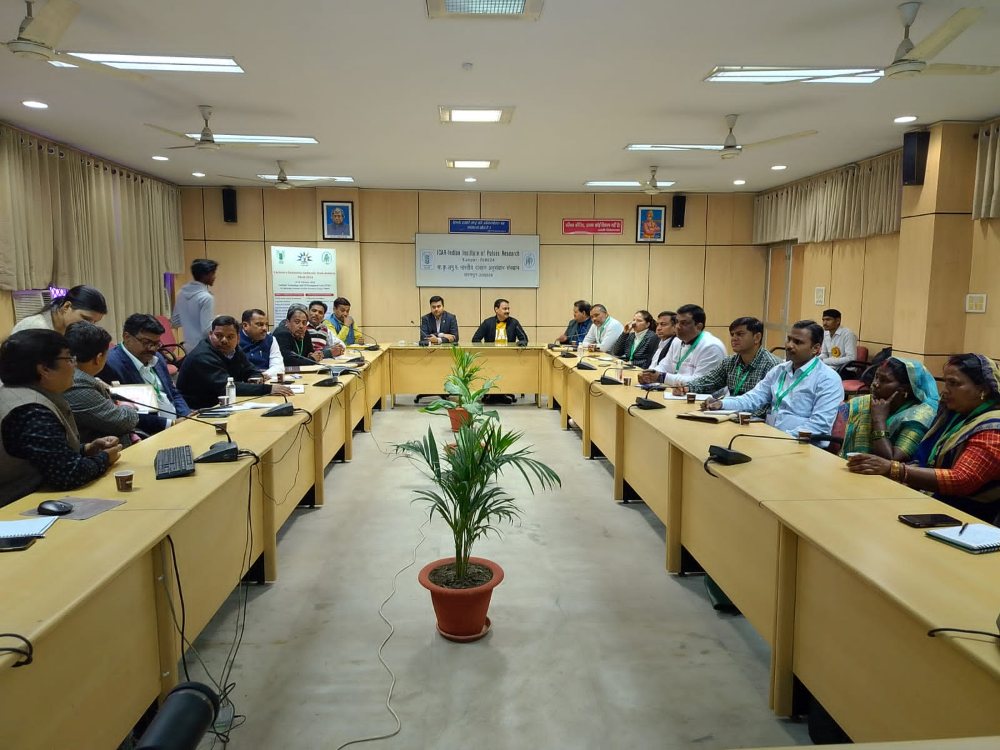
Farmers–Scientist–Industry Interface Meet.
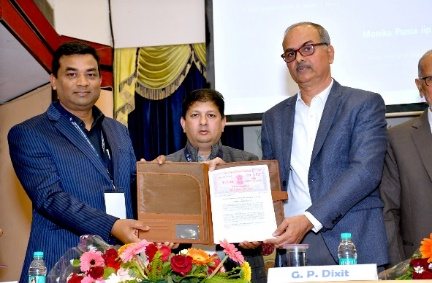
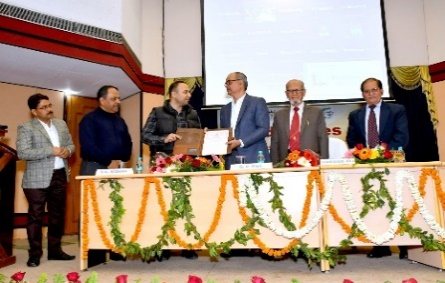
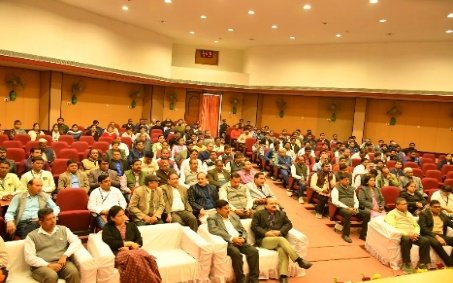
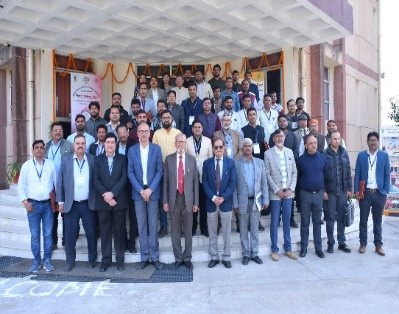
Celebration of World IP Day at ICAR-IIPR, Kanpur.
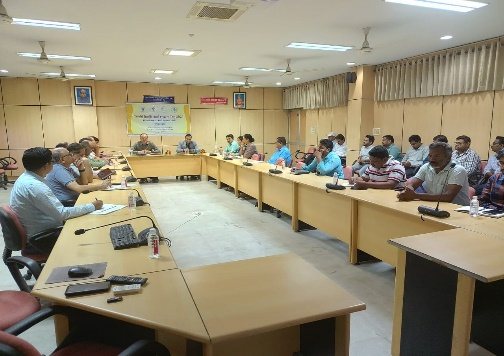
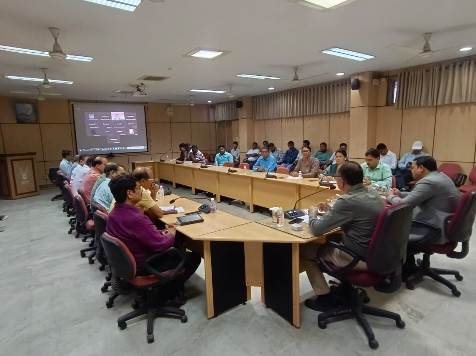
Memorandum of understanding signed between the CSJM Innovation Foundation, Kanpur and the Pulses Innovation Hub, ABIC, ICAR-IIPR Kanpur; a separate MoU was executed with M/s Abhimanyu Seeds Pvt. Ltd.
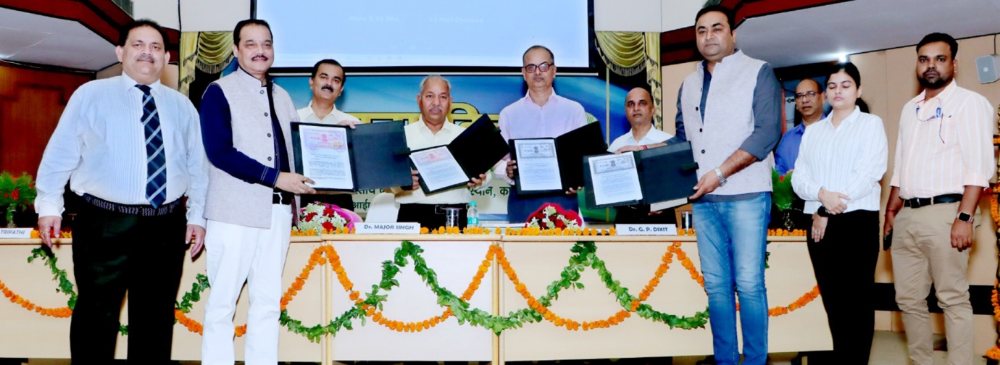

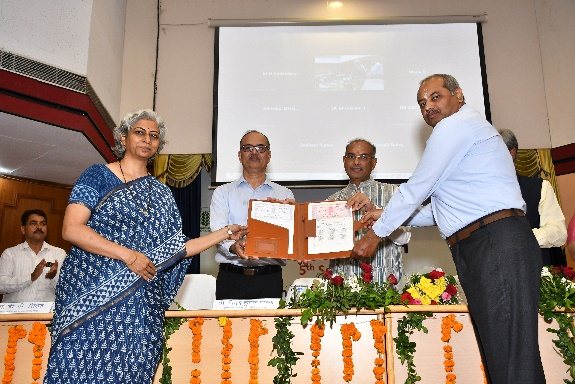
Workshop on Intellectual Property Rights and Technology Commercialization.

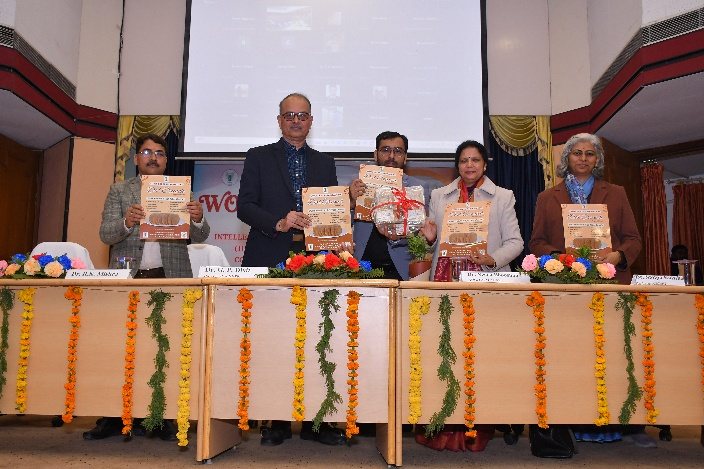
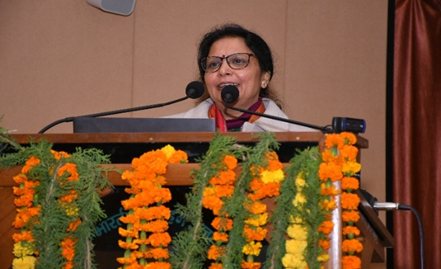
Public Private Partner Interface Meeting.
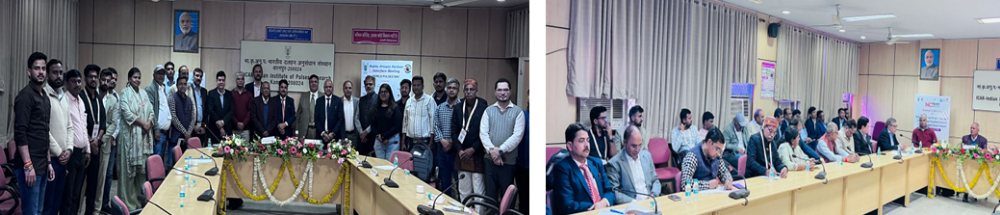

18 photographs across 7 of the 8 events. The source publishes no photograph of the PPV&FRA training programme.
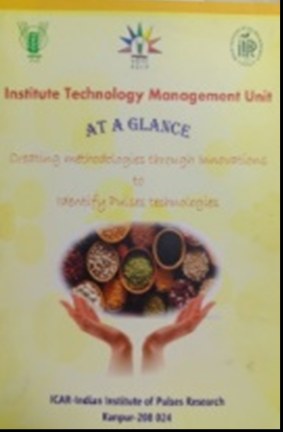
Booklet
Creating methodologies through innovations to identify pulses technologies.
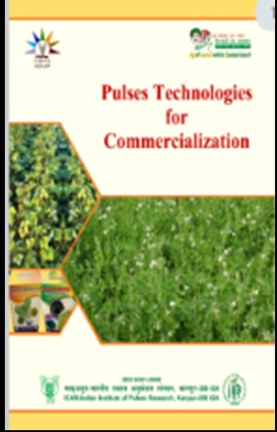
Booklet
The technologies the institute offers to industry for commercialization.
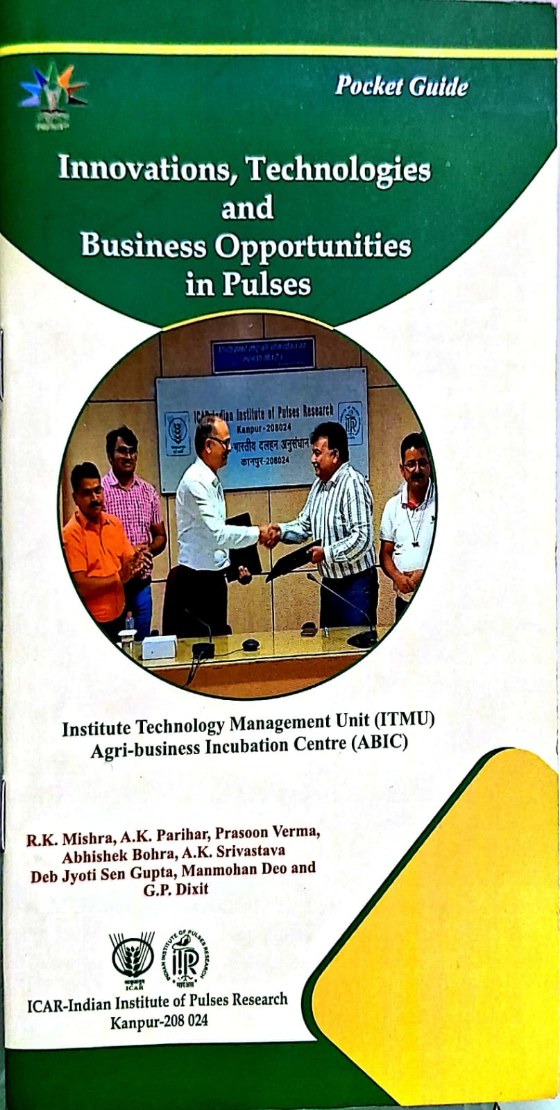
Pocket guide
ITMU and the Agri-Business Incubation Centre (ABIC). R. K. Mishra, A. K. Parihar, Prasoon Verma, Abhishek Bohra, A. K. Srivastava, Deb Jyoti Sen Gupta, Manmohan Deo and G. P. Dixit.