1
Diversification of the maize–wheat system with pulses: long-term impacts
- Pulse-inclusive maize-based rotation increased active and passive carbon pools in soil. Pigeonpea–wheat and maize–wheat–mungbean rotations contain the maximum available nutrients and soil carbon pools over conventional maize–wheat; the effect was most prominent on soil carbon and phosphorus bioavailability.
- Pulse-inclusive rotation improves soil aggregation — conspicuously in pigeonpea–wheat and maize–wheat–mungbean — along with mean weight diameter, bulk density and water holding capacity.
- All pulse-inclusive rotations favoured carbon sequestration, soil microbial biomass carbon and soil enzymatic activity, with the most prominent change in alkaline phosphatase and dehydrogenase activity.
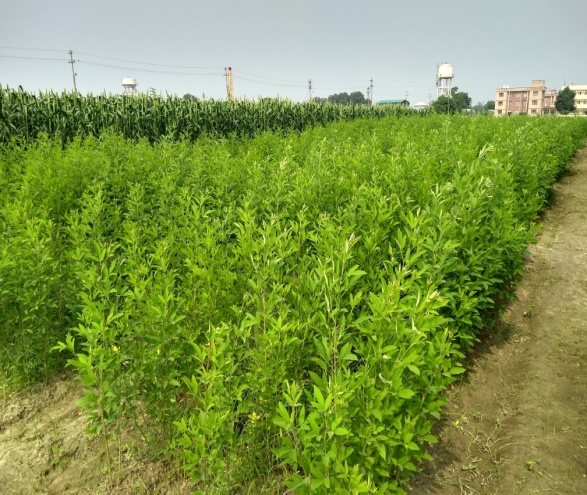
- Inclusion of summer mungbean in the maize–wheat system improves both base crop and system productivity; pulses are equally responsive under integrated and recommended fertiliser doses.