
Dr. Shamima Parveen
Scientist (Plant Physiology)
Research area
Abiotic stress (waterlogging and heat stress) in pulses.
Profile link
Basic and strategic research on yield, climate resiliency, nutritional quality and ecosystem services of major pulses — across plant physiology, plant biochemistry, agricultural chemistry and microbiology.
Welcome to the Division of Basic Sciences. This division was established in the year 1996 with the vision of conducting basic and strategic research on enhancing yield, climate resiliency, nutritional quality and ecosystem services of major pulses for nutritional security and production sustainability.
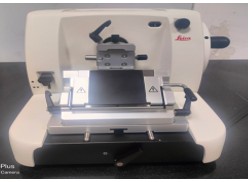
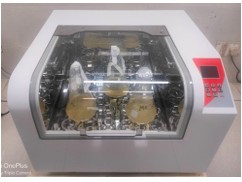
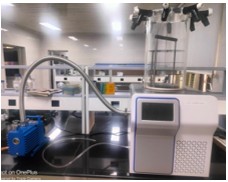
The division pursues research on four disciplines — plant physiology, plant biochemistry, agricultural chemistry and microbiology. It is well equipped with modern facilities to carry out cutting-edge research such as gene characterization through genome editing tools, mitigating physiological constraints to productivity, improving plant adaptation to abiotic stresses, enhancing and exploring the nutritive value of pulses, and exploring microbial resources for improving plant health.
Thrust areas
New initiatives
Heat tolerance in lentil
The genotype IG 3522 was identified as tolerant to heat stress based on its ability to maintain a cooler canopy, high chlorophyll index, setting of a high number of pods in terminal branches, high MSI, peroxidase activity and higher seed yield under heat stress conditions (>30 °C) compared with the other genotypes under test. This genotype has also shown the lowest Heat Susceptibility Index (HSI).

Heat tolerance in urdbean
Lethal temperature and induction temperature were standardized for urdbean genotypes using the Temperature Induction Response (TIR) technique. Genotypes PGRU 95016 and PGRU 95014 were found to be putatively heat tolerant, and also possess high photosynthetic rates.
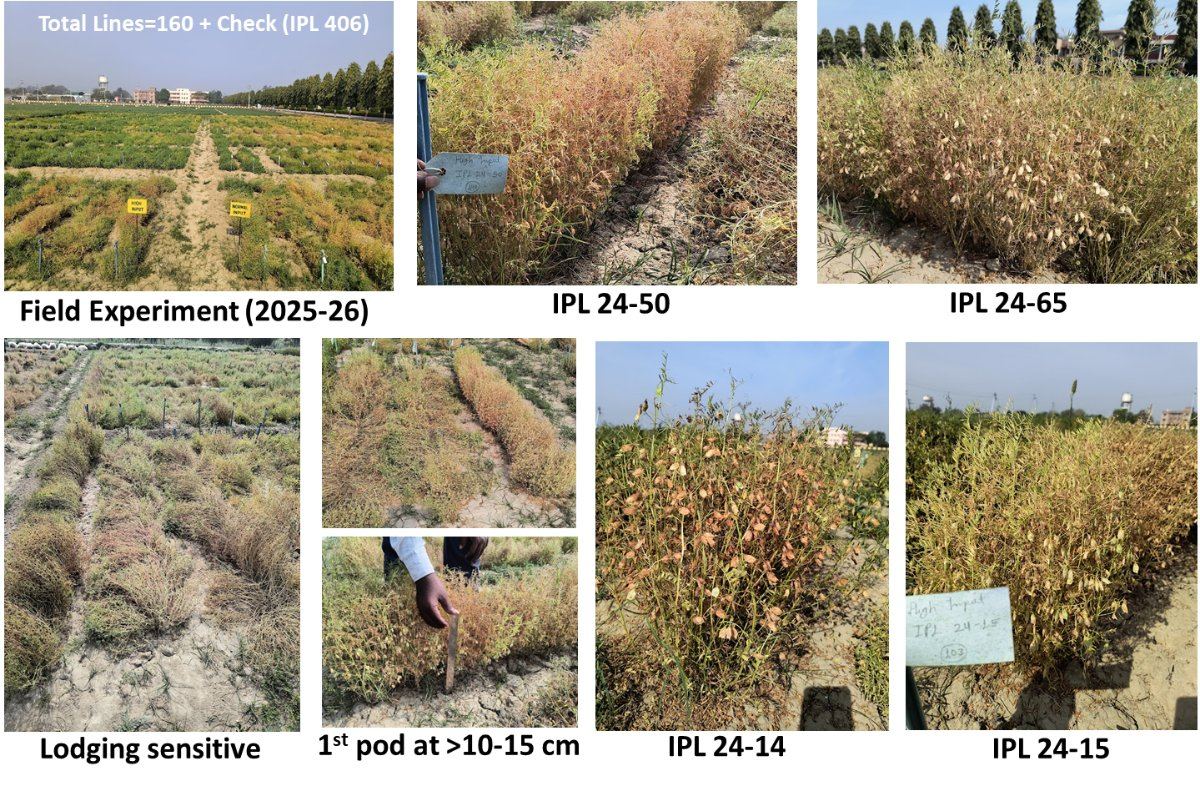
High input responsiveness in chickpea & lentil
Cold tolerance in pigeonpea
Based on the reaction of pigeonpea genotypes to cold stress — flower/pod drop and retention, cold injury at the apical meristems and post-regeneration of the apical portion — genotypes NDA-2, MAL-13, ICP-2275 and IPACT-2 showed around 20–40% flower/pod drop, retained 60–80% flowers/pods, <20% apical damage and >80% recovery of the apical portion, and are therefore highly tolerant to cold stress.
Efficient plant type in short-duration pigeonpea
Genotypes AL-288, ICP-3708, ICP-9875, ICPL-87047, ICPL-88034, DPP 2-177, P-1095, JAM 9-19, JAM 9-20, ICPL-91052 and DPP 3-99 showed maximum biomass production, pod number per plant, test weight and grain yield per plant, along with the maximum number of primary and secondary branches, NDVI and leaf chlorophyll, and were superior to the checks used.
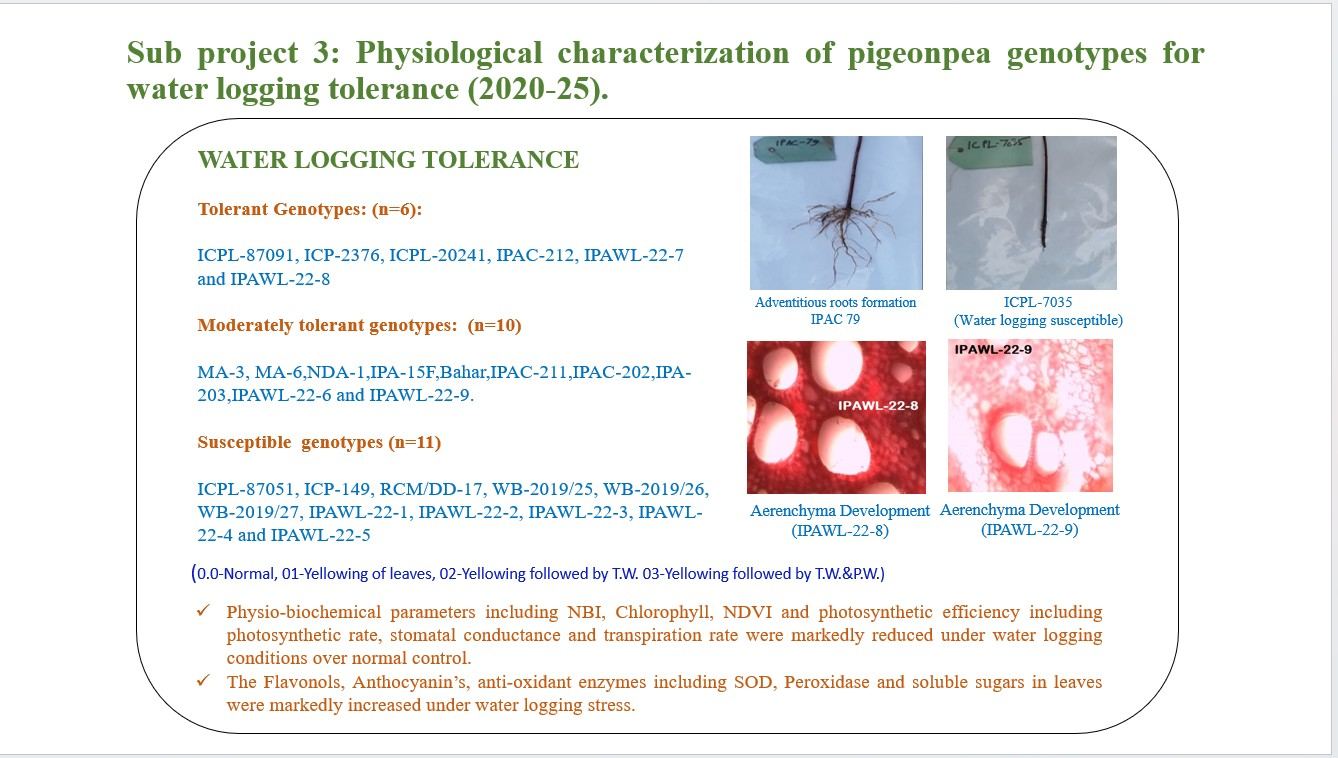
Waterlogging tolerance in pigeonpea
ICPL-87091, ICP-2376, ICPL-20241, IPAC-212, IPAWL-22-7 and IPAWL-22-8 were identified as waterlogging tolerant. Development of adventitious roots was observed under waterlogged conditions only; in susceptible genotypes, no or negligible adventitious roots were found.
Biochemical analysis
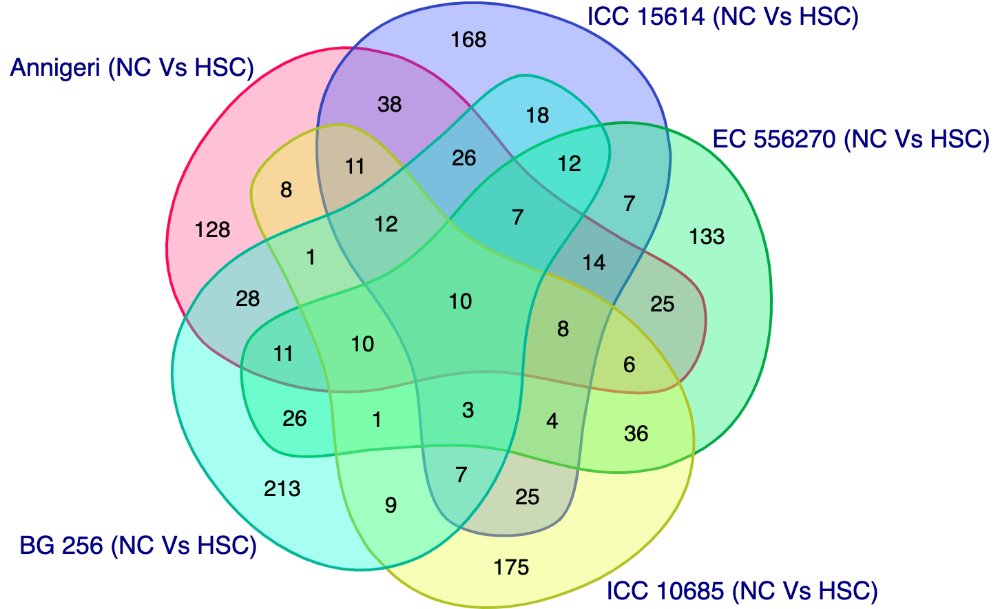
Gene expression
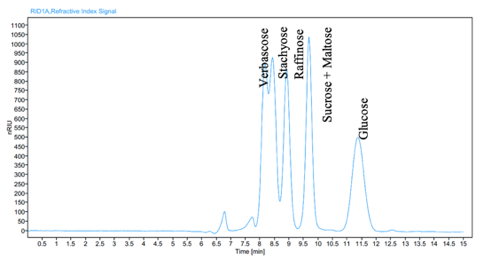
Raffinose family oligosaccharides (RFO)
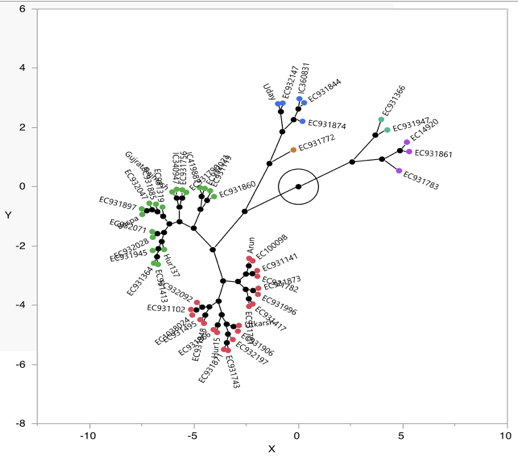
The RFO profile of fifty common bean genotypes was determined through the HPLC-RI method. Stachyose was found to be the major RFO in common bean, followed by raffinose. Total RFO content varied from 3.24–6.6%. Verbascose was not detected in any of the genotypes. The genotype EC 931772 was identified for the least total RFO content (3.24%).
Phenolic compounds and starch
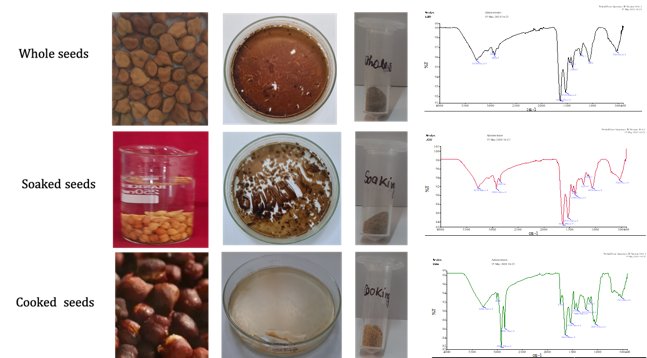
Dynamics of imazethapyr in the soil–plant system
Dissipation kinetics of imazethapyr in soil and its residual toxicity in urdbean grains and the succeeding crop were determined. More than 90% of imazethapyr dissipated within 60 days after application, with half-lives ranging between 15.12 and 18.02 days. Residues were not detected in urdbean grains or in samples from subsequent crops such as mustard, wheat and chickpea — indicating imazethapyr can be used to control weeds in urdbean fields without significant residual effect on harvested grain.
Dynamics of glyphosate and AMPA
Glyphosate persisted in soil for up to 45 and 60 days at application rates of 1.5 and 2.25 kg a.i./ha respectively, with half-lives of 19.42–22.2 days. AMPA persisted longer, with half-lives between 45.2 and 66.5 days. Residues of glyphosate and AMPA were not detected in leaves and grains of the subsequent urdbean crop at harvest, hence urdbean sowing can be done on glyphosate-treated fields.
In silico characterization of BNF-related genes in chickpea
Gene editing of CaNCR genes
Among 145 members of the NCR gene family in chickpea, 16 highly expressed NCR genes were taken for amino-acid sequence-based cluster analysis, and one member from each cluster (CaNCR324, CaNCR54, CaNCR66) was taken for CRISPR editing to understand its biological role in symbiotic efficiency. Chickpea cv. HC5 was used for plant transformation with the CRISPR constructs through Agrobacterium tumefaciens / particle bombardment mediated genetic transformation. At the end of Rabi 2025–26, a total of 771 T3 seeds from CaNCR54, 573 T3 seeds from CaNCR66, 13 T2 seeds from CaNCR24, 41 T2 seeds from CaNCR54 and 9 T2 seeds from CaNCR66 were harvested.
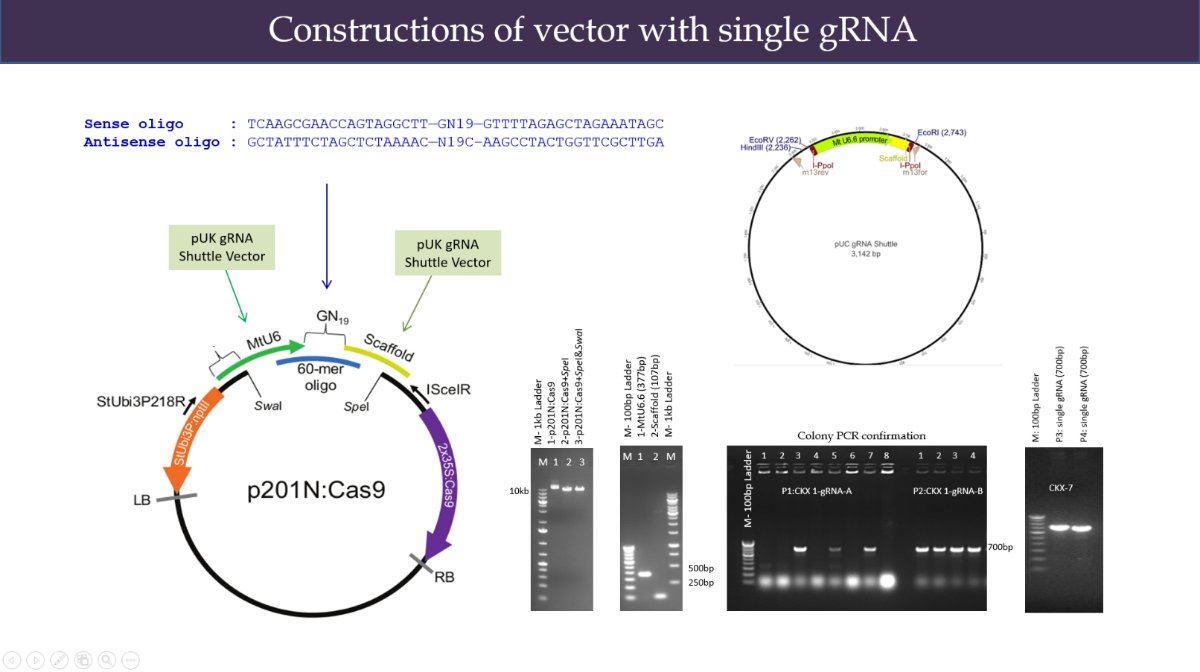
Gene editing of CaNLP1 for nitrate-insensitive root nodulation
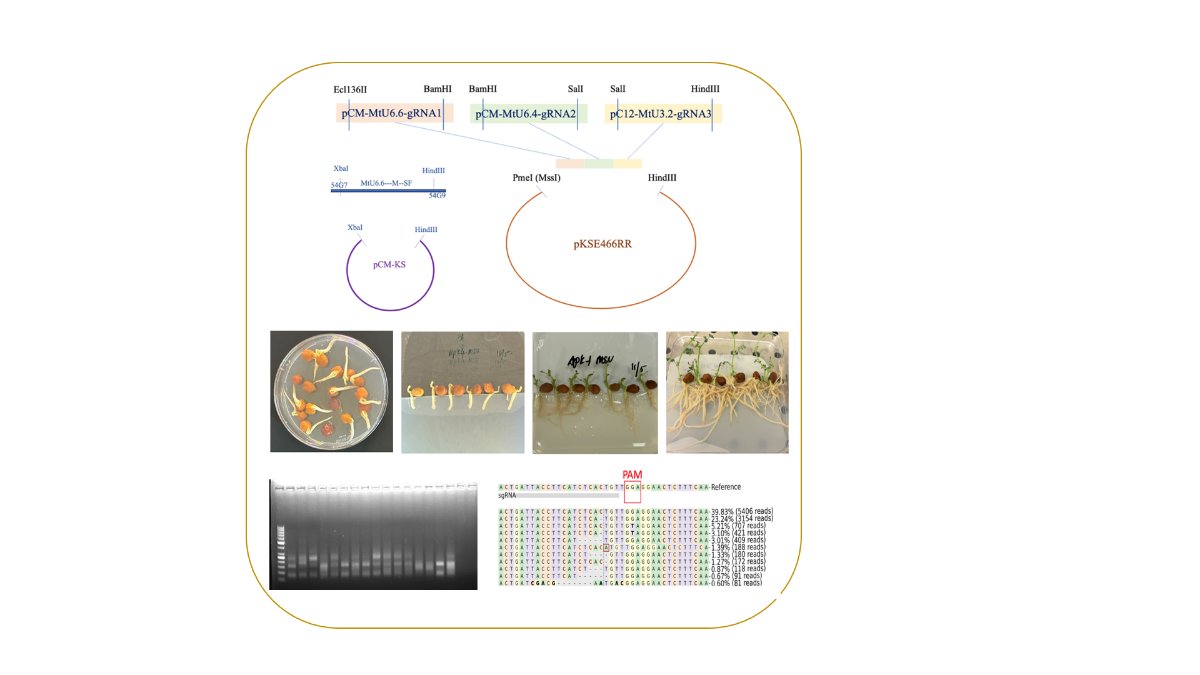
Gene editing of cytokinin dehydrogenase (CaCKX)
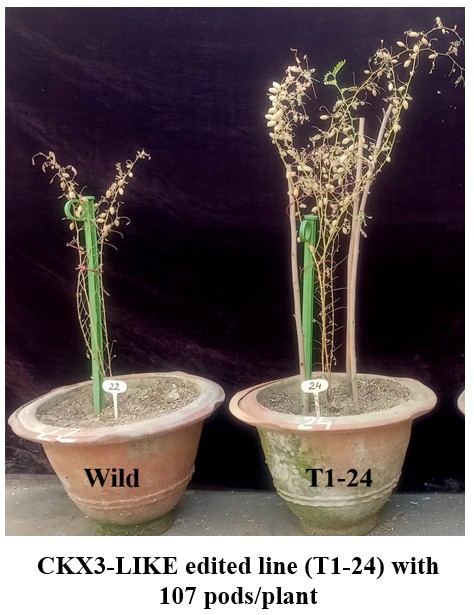
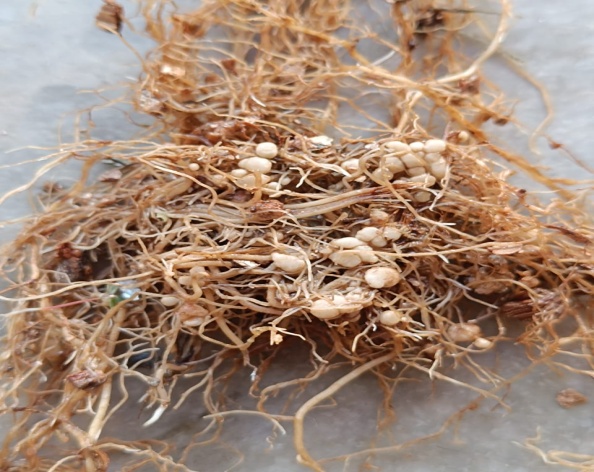
Enhancing nodulation potential in rajma
Nutri-smart outcomes
Pulses health management

| S.No. | Name | Position |
|---|---|---|
| 1 | Dr. M. Senthilkumar | Head of Division · Principal Scientist (Microbiology) |
| 2 | Dr. D. P. Patel | Principal Scientist (Physiology) |
| 3 | Dr. T. N. Tiwari | Principal Scientist (Physiology) |
| 4 | Dr. Vijay Laxmi | Senior Scientist (Physiology) |
| 5 | Dr. Vaibhav Kumar | Senior Scientist (Biochemistry) |
| 6 | Dr. Kalpana Tewari | Senior Scientist (Biochemistry) |
| 7 | Dr. Shamima Parveen | Scientist (Physiology) |
| 8 | Dr. Shriniketan Puranik | Scientist (Microbiology) |
| 9 | Mr. Laken Verma | Technical Officer (T-6) |
| 10 | Mr. Sumit Verma | Senior Technician (T-2) |
| 11 | Mr. Akhil | Technician (T-1) |
 Dr. M. SenthilkumarPrincipal Scientist (Microbiology)Discipline: Plant Microbiology, Specialization: Symbiotic Nitrogen Fixation, Plant-Microbe Interactions.View full profile ›
 Dr. Dharmendra Prasad PatelPrincipal ScientistPlant PhysiologyView full profile ›
 Dr. T. N. TiwariPrincipal Scientist (Plant Physiology)Plant Physiology, Seed and Stress PhysiologyView full profile ›
 Dr. Vijay LaxmiSenior ScientistPlant PhysiologyView full profile ›
 Dr. Vaibhav KumarScientistPlant BiochemistryView full profile ›
 Dr. Kalpana TewariScientistPlant BiochemistryView full profile ›
Dr. Shamima ParveenScientist (Plant Physiology)View full profile ›
Dr. Shriniketan PuranikScientist (Agricultural Microbiology)View full profile ›
Dr. Shamima Parveen
Scientist (Plant Physiology)
Research area
Abiotic stress (waterlogging and heat stress) in pulses.
Profile link
Dr. Shriniketan Puranik
Scientist (Agricultural Microbiology)
Research area
Agricultural microbiology, microbial formulation for pulses and soil biology.
Awards and recognitions