भाकृअनुप- भारतीय दलहन अनुसंधान संस्थान ICAR-Indian Institute of Pulses Research Pulses For Nutritional Security
  1. Home
  2. Division of Crop Production

Division of Crop Production

Agronomy and production science — from system-based agronomy, nutrient, water and weed management to organic and natural farming, nano-enabled inputs, precision mechanization and post-harvest innovation.

About the division

Introduction

The Division of Crop Production encompasses the key disciplines of agronomy and production science, supported by a team of ten dedicated scientists including the Head of Division. The Division spearheads cutting-edge research aimed at transforming pulse production towards higher productivity, sustainability and climate resilience.

Its research portfolio spans system-based agronomy, integrated nutrient–water–weed management and resource-efficient production technologies, through to frontier domains such as organic and natural farming, nano-enabled inputs, agronomic bio-fortification, precision mechanization and post-harvest innovation. Through holistic and adaptive approaches, the Division strives to redefine the paradigms of sustainable crop production for enhanced livelihood and environmental security.

10

Scientists in the division

20

Technologies ready for commercialization

20

Ongoing research projects

9

Machines designed and developed

10

Edible products from milling by-products

Focus

Thrust Areas

Systems and resource efficiency

  • Long-term effect of pulses in cropping systems and sustainable intensification.
  • Input use efficiency — water, nutrients, agro-chemicals and energy.
  • Resource conservation technologies and weed management.
  • Regenerative and nature-based agronomy in pulse-based cropping systems.

Engineering and new-generation agronomy

  • Post-harvest management and value addition.
  • Precision farm mechanization — AI and IoT based equipment, precision machines.
  • New generation agronomy — nano-fertilizers, bio-stimulants, agronomic biofortification and climate resilient agriculture.
Theme-wise research achievements

What the Division has Established

1

Diversification of the maize–wheat system with pulses: long-term impacts

  • Pulse-inclusive maize-based rotation increased active and passive carbon pools in soil. Pigeonpea–wheat and maize–wheat–mungbean rotations contain the maximum available nutrients and soil carbon pools over conventional maize–wheat; the effect was most prominent on soil carbon and phosphorus bioavailability.
  • Pulse-inclusive rotation improves soil aggregation — conspicuously in pigeonpea–wheat and maize–wheat–mungbean — along with mean weight diameter, bulk density and water holding capacity.
  • All pulse-inclusive rotations favoured carbon sequestration, soil microbial biomass carbon and soil enzymatic activity, with the most prominent change in alkaline phosphatase and dehydrogenase activity.
  • Inclusion of summer mungbean in the maize–wheat system improves both base crop and system productivity; pulses are equally responsive under integrated and recommended fertiliser doses.
2

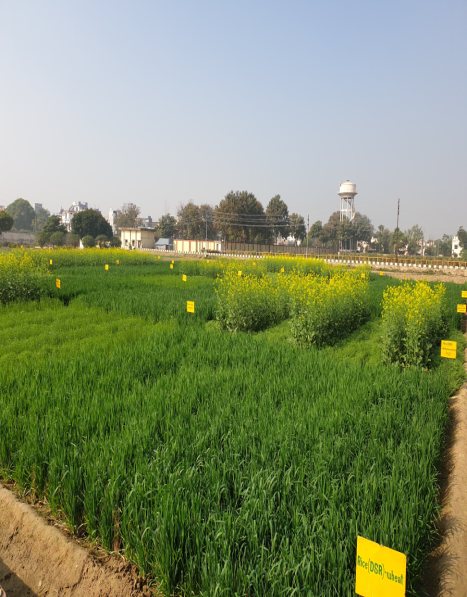
Diversification of the rice–wheat system with pulses: long-term impacts

  • Rice-inclusive pulse-based rotations increased active and passive carbon pools; rice–wheat–mungbean had the highest positive impact on soil N, P, K, S and carbon availability.
  • Pulse-inclusive rotation improved soil aggregation, most visibly in rice–wheat–mungbean under integrated nutrient management.
  • Pulse-inclusive rotation positively impacted carbon sequestration in the macro-fractions.
  • Significant impact on soil microbial biomass carbon and enzymatic activity, most prominent in rice–wheat–mungbean followed by rice–chickpea.
  • Inclusion of summer mungbean improves base crop (rice) and system productivity; in rice-based systems pulses become more responsive under integrated nutrient management.
3

Conservation agriculture for sustainable intensification

  • CA in pulse-based systems: conventionally tilled puddled transplanted rice with zero tillage in the post-rainy season, and rice–chickpea / wheat–mungbean, increased rice yield by 17% and wheat by 13% over conventionally tilled rice–wheat. Pulse-intensive systems had a superior sustainable yield index — rice 8.1%, wheat 7.7% and chickpea 11% higher than rice–wheat.
  • Summer mungbean under CA in the rice–wheat system: grain yield increased 24.4% under zero tillage over conventional tillage. Virat gave the highest grain yield (1478 kg/ha). Residue retention improved yield 9.3% over removal. System productivity as mungbean equivalent yield was higher under zero tillage (4232 kg/ha), residue retention (4392 kg/ha) and Virat (4338 kg/ha).
  • CA in the rice–chickpea system: zero-tilled rice with zero-tilled chickpea plus residue gave higher crop and system yield than conventional tillage, with an additional benefit of ₹35,000–40,000 over conventional tillage.
  • Soil outcomes: significantly higher soil aggregation (24%) under zero-tilled rice; rice–chickpea–mungbean and zero-tilled rice recorded 22% higher carbon sequestration; soil microbial biomass carbon increased by about 70% in zero-tilled and pulse-inclusive systems.
4

Precision irrigation in pulse crops

  • Chickpea: sprinkler irrigation at the branch and pod development stages gave higher grain yield (16.1%), biomass (9%), harvest index (5.7%), net return (22.4%), BCR (22.8%) and productivity per day (16.4%) than sprinkler irrigation in the branching phase alone.
  • Pigeonpea (long duration): peak branching (90–100 days) and pod development (200–210 days) identified as the critical stages for life-saving irrigation; drip irrigation at IW:CPE 0.4 found suitable.
  • Lentil: sprinkler at branching gave higher grain yield (12%), biomass (9.7%), harvest index (5.7%), net return (11.2%) and productivity per day (12%) over flood irrigation, with 14.3% higher water use efficiency and 12.5% higher water productivity.
  • Urdbean and mungbean: frequent shallow irrigation with micro-sprinklers gave yields on par with flood irrigation while using 21.5% less water, with 83.5% higher water use efficiency, 83% higher water productivity, 53.5% higher net return and 19.6% higher BCR.
  • Fieldpea: sprinkler irrigation at branching and pod development recorded 1.53 times higher water productivity, 1.5 q/ha higher crop productivity and increased biomass, pods per plant and grain weight per plant.
  • Hydrogel: no scaling in chickpea productivity or profit followed hydrogel application, even at the higher dose of 5 kg/ha.
  • Bio-regulators: salicylic acid at 100 ppm showed an advantage in chickpea grain yield (22.4%), water use efficiency (20.1%), water productivity (15.3%) and net return (31.2%) over water spray; 2% urea or 0.5% NPK were equally effective.
5

Agro-technologies for the rainfed rice-fallow of India

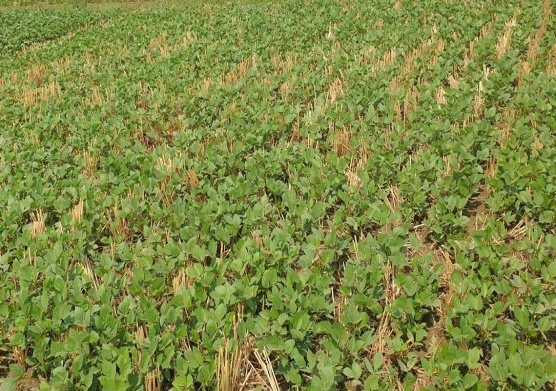
Rice + urdbean / mungbean / lathyrus / lentil relay cropping

  • Broadcasting pulse seed 7–10 days before rice harvest, using a 25% higher seed rate.
  • Seed priming by soaking for 4–6 hours in water and micro-nutrient solutions.
  • Seed treatment with fungicide, Rhizobium, PSB and PGPRs.
  • Maintaining 20–30 cm rice stubble on the ground to conserve soil moisture.
  • Foliar spray with 2% urea or DAP, first at 50% flowering and again ten days later.
  • Rice ratoon and weed control with quizalofop-ethyl at 50–100 g a.i./ha.
  • Following IPM modules for disease and pest management.
  • Use of farm ponds for water harvesting and life-saving irrigation with sprinklers.
  • Rice cultivation through transplanting under unpuddled conditions and direct seeded rice.

Rice – lentil / chickpea / pea sequential cropping

  • Sowing of pulses under zero tillage just after the harvest of rice.
  • Use of medium or short duration, high yielding, multiple disease resistant pulse varieties.
  • Remaining practices as under relay cropping.
6

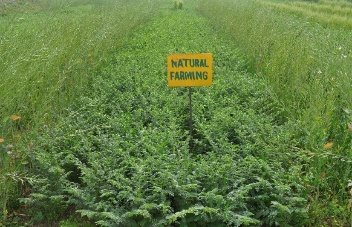
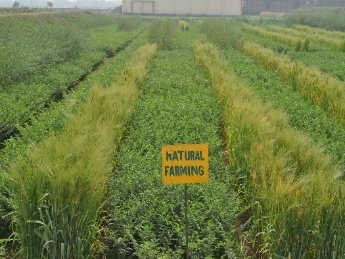
Organic and natural farming in pulses

  • Significantly higher wheat yield (5.73 t/ha) can be realized through organic practice alone. Potential productivity is also achieved with foliar supply of organic forms of zinc (Biozinc), phosphorus (Biophos) and vermiwash. The higher economic gain in gross returns and B:C ratio (1.83) was recorded under organic cultivation compared with conventional in the green manure–wheat–mungbean system.
  • In pulse-based cropping and intercropping systems, higher system productivity was recorded under organic farming with urdbean+bajra – chickpea+mustard, followed by recommended farming practices. The maximum chickpea yield (1.68 t/ha) came from sole chickpea, significantly higher than chickpea+mustard and chickpea+barley.
  • System productivity followed the order organic farming (5.01 t/ha) > recommended > natural farming > control.
7

Weed management in pulses

Chemical weed management

  • Kharif pulses (mungbean, urdbean, pigeonpea) — pendimethalin 1.0 kg a.i./ha pre-emergence and imazethapyr 100 g a.i./ha post-emergence at 20–25 DAS.
  • Rabi pulses (chickpea, lentil, pea) — pendimethalin 1.0 kg a.i./ha pre-emergence and quizalofop-ethyl 100 g a.i./ha post-emergence at 20–25 DAS.
  • Spring / summer system (mungbean, urdbean) — imazethapyr 80 g a.i./ha post-emergence at 20–25 DAS, after the first irrigation.
  • New post-emergence herbicides — clodinafop-propargyl + sodium aciflurofen 187.5 ml a.i./ha at 15–20 DAS in mungbean, and topramezone 20.6 ml a.i./ha at 14–21 DAS in chickpea.

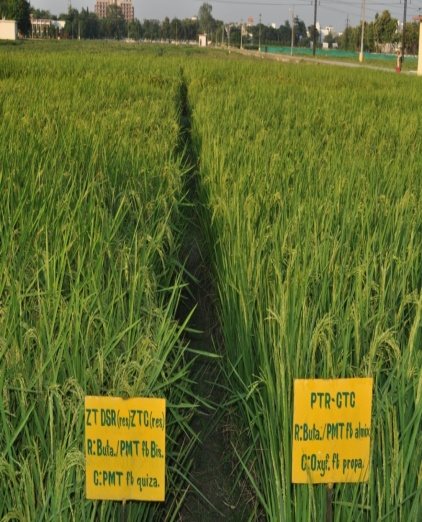
Rice–chickpea system

  • Pendimethalin 1.0 kg a.i./ha pre-emergence and bispyribac-sodium 20 g a.i./ha at 20 DAS in rice.
  • Oxyfluorfen 150 g a.i./ha pre-emergence and propaquizafop 100 g a.i./ha post-emergence at 25 DAS in chickpea.

Ratoon management in rice fallow

  • Quizalofop-ethyl 100 g a.i./ha post-emergence at 20–25 DAS in pulses in rice–pulse based cropping systems.
  • Glyphosate 1.0 kg a.i./ha as a pre-plant application in pulses for rice-fallow conditions.
8

Soil phosphorus management and dynamics under pulse-based systems

  • Leaf chlorophyll content, nitrate reductase activity, plant biomass and other growth parameters were influenced positively by 20–30% under poultry manure incorporation (1.0 t/ha) compared with control (−P) plots.
  • System productivity is higher by 10% (pigeonpea–wheat) and 9% (pearl millet–chickpea) with 50% crop residue plus PSB application over control.
  • Cumulative phosphorus mineralization is maximum with poultry manure at 1.0 t/ha — 34% over control — and among residues, pearl millet releases the most phosphorus.
  • Overall soluble phosphorus fractions increased in poultry-manure plots by almost 30–35% over control and significantly over RDF. Adsorption study showed manure addition reduced the adsorption maxima, through saturation of adsorption sites and organic carbon covering oxides and carbonates.
9

Zinc accounting and enrichment in pulses

  • Foliar spray of 0.5% ZnSO4 at the pre-flowering and pod formation stages gave a seed zinc content of 65–75 ppm, 20–25% higher than control.
  • JG 16, GNG 2171, IPC 10 62 and GNG 469, Vijay and GNG 2171 are soil- and foliar-applied zinc responsive genotypes respectively, while Vijay, GNG 469 and JAKI 9218 utilise soil and foliar zinc efficiently.
10

Utilization of pulse milling by-products for edible use

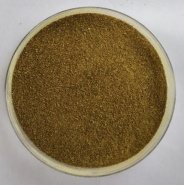
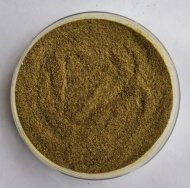
  • Pulses are consumed after dehusking and splitting, as dal. The by-product obtained during milling is rich in bioactive compounds — protein, fibre, phenols, anticarcinogenic compounds and antioxidants — and can be used to make many edible food products.
  • The husk component’s therapeutic value lies mainly in antioxidant activity, polyphenolic compounds and fibre.
  • The powder component (pulse protein) can be used for pulse-based recipes including bakery products.
Value addition

Edible Products from Milling By-products

Biscuits
Biscuits
Dal analogue
Dal analogue
Pizza base
Pizza base
Bun
Bun
Cakes & muffins
Cakes & muffins
Instant soup
Instant soup
Instant dal
Instant dal
Sattu
Sattu
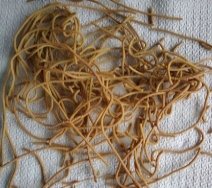
Noodles
Noodles
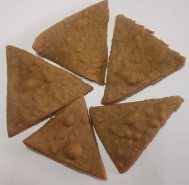
Nachos
Nachos
Engineering

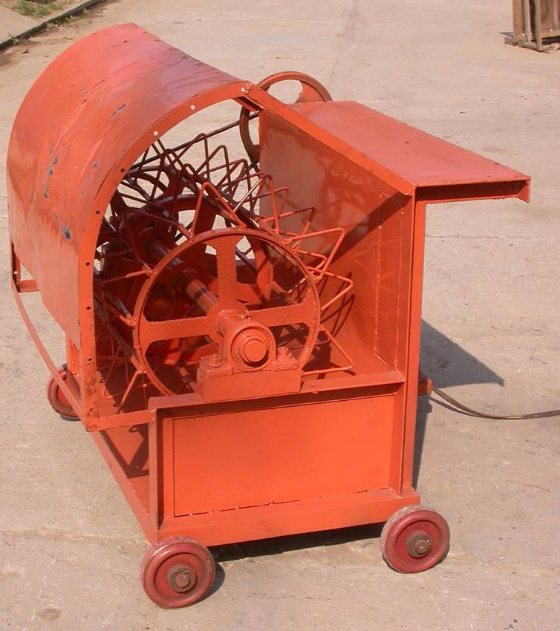
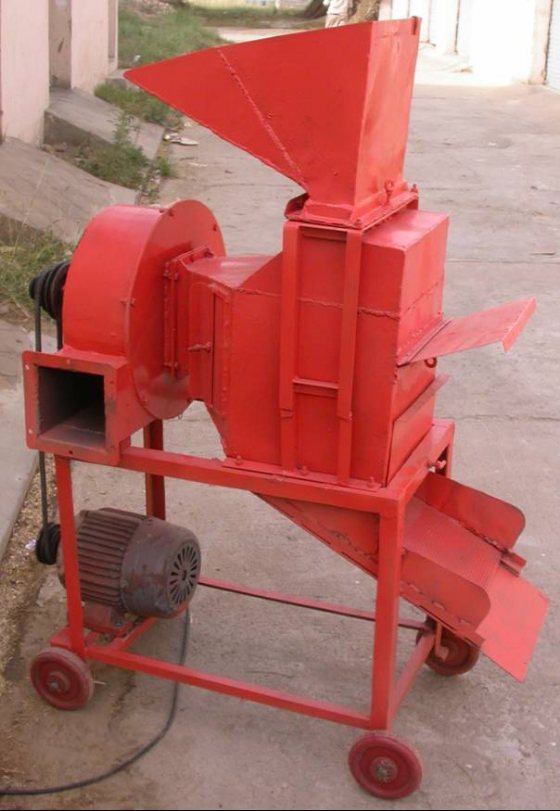
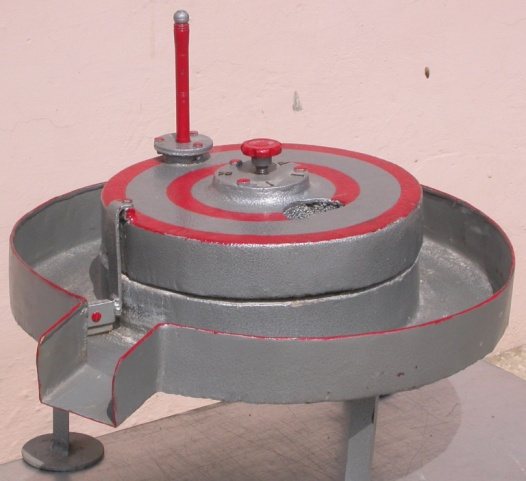
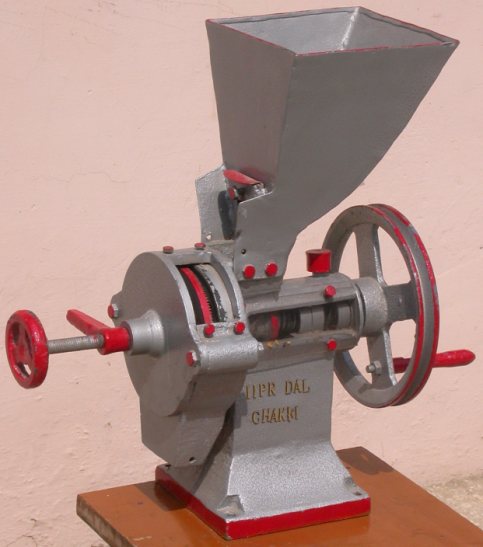
Pre- and Post-harvest Mechanization

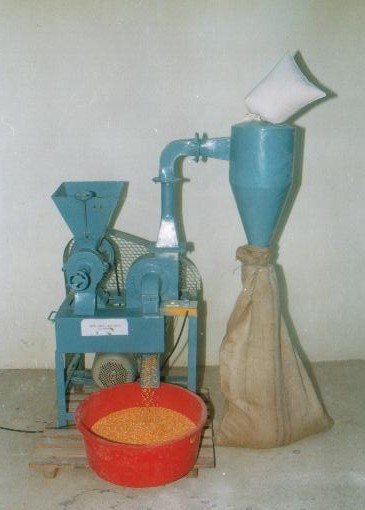
IIPR Dal Chakki
IIPR Dal Chakki
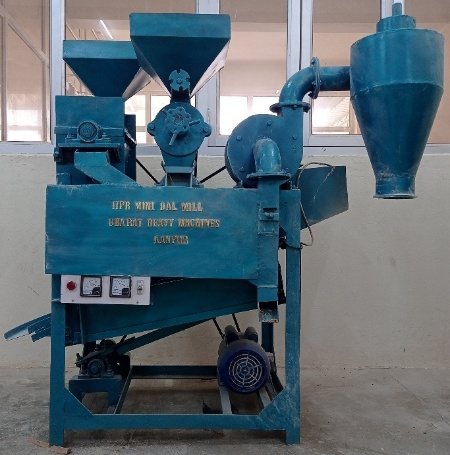
Improved IIPR Mini Dal Mill
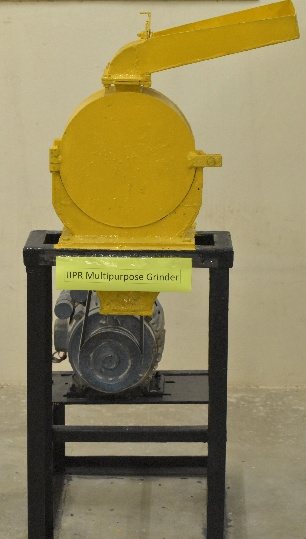
IIPR Multi-purpose Grinder
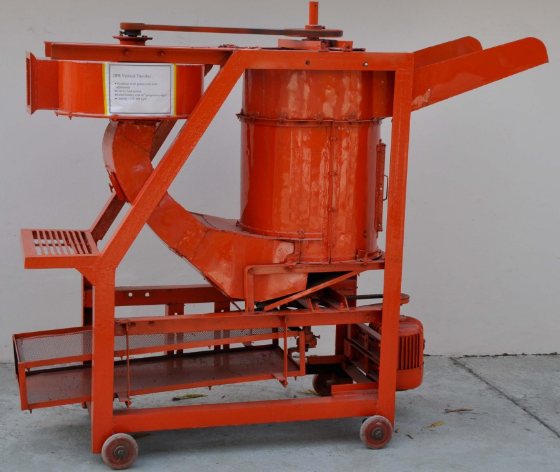
IIPR Vertical Thresher
IIPR Pigeonpea Stripper
IIPR Suction Winnower
IIPR Horizontal Hand Chakki
IIPR Vertical Hand Chakki
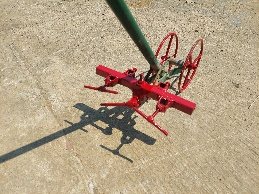
IIPR Manual Weeder
IIPR Manual Weeder
Transfer of technology

Technologies Available for Commercialization

  1. IIPR Mini Dal Mill
  2. IIPR Dal Chakki
  3. IIPR Manual Weeder
  4. IIPR Herbicide Applicator
  5. Pulse threshing and allied machines — IIPR Vertical Thresher, IIPR Pigeonpea Stripper, IIPR Suction Winnower
  6. Multipurpose grinder
  7. Hand operated vertical dal chakki
  8. Hand operated horizontal dal chakki
  9. Pulse milling by-products for edible use — protein & fibre rich biscuits
  10. Pulse milling by-products for edible use — dal analogue
  11. Pulse milling by-products for edible use — pizza base
  12. Pulse milling by-products for edible use — bun
  13. Pulse milling by-products for edible use — cakes and muffins
  14. Pulse milling by-products for edible use — noodles
  15. Pulse milling by-products for edible use — instant pulse soup
  16. Pulse milling by-products for edible use — instant dal
  17. Pulse milling by-products for edible use — flour (atta) mix
  18. Pulse milling by-products for edible use — sattu
  19. Pulse milling by-products for edible use — nachos
  20. Protocols for milling of pulses in the IIPR Mini Dal Mill
Research portfolio

Ongoing Research Projects

Institute funded

Programme 1 — Innovative strategies for climate-resilient and resource-efficient technologies for sustainable pulses production

Coordinator / PI: Dr. Narendra Kumar

S.No. Title of the project Principal investigator
1Carbon footprint and microbiome community structure in long-term pulses-inclusive cropping systemsDr. Narendra Kumar
2Enhancing nutrient use efficiency, crop productivity and soil health in pulse-based production systems through smart nutrient management including nano-fertilizersDr. Mohammad Hashim
3Sustainable nutrient management in pulse-based cropping systems through microbial interventions under diverse tillage regimesDr. Adarsh Kumar
4Enhancing sustainability of the maize–chickpea cropping system through precision irrigation strategiesDr. Adarsh Kumar
5Improving productivity of the pigeonpea–wheat system through efficient resource recycling and smart agriculture technologiesDr. K. K. Hazra
6Innovations in conservation agriculture in pulse-based systems for resilient future farmingDr. C. P. Nath
7Development of climate-smart weed management practices for sustaining pulse-based production systemsDr. C. P. Nath
8Developing advanced yield predictive models of pulse crops for future climate scenarios with a decision support frameworkDr. K. K. Hazra
9Implementing organic and natural farming in pulse-based production systems for agro-ecological sustainability and improved climate resilienceDr. Mohammad Hashim

Programme 2 — Advanced engineering interventions for mechanized pulse production and post-harvest management

Coordinator / PI: Dr. Prasoon Verma

S.No. Title of the project Principal investigator
1Development of a database for physical and engineering parameters contributing to milling recovery and value-added products for major pulsesDr. Prasoon Verma
2Design and development of farm machinery for drudgery reduction and efficient field operationDr. Man Mohan Deo
3New generation tools and techniques for farm mechanization in pulsesDr. Man Mohan Deo
4Utilization of pigeonpea crop residue for soil health, energy pellets and fuel woodDr. Prasoon Verma

Externally funded

S.No. Name of the project Principal investigator Funding agency Budget (₹ lakh) Period
1 Carbon footprint and microbiome community structure in diversified cropping systems under conservation and conventional agriculture Dr. Narendra Kumar SERB (DST) 35.44 2023–2026
2 Study on determining storage losses in pulses stored in warehouses and to recommend norms for loss / gain during long term storage Dr. Prasoon Verma ICAR-DoCA 74.61 2023–2027
3 Conservation agriculture-led management of drought and heat stress of pulse-based cropping systems in the Bundelkhand region of Uttar Pradesh through a participatory approach Dr. C. P. Nath UPCAR 22.55 2024–2027
4 Enhancing lentil productivity with osmolytes / bio-regulators induced tolerance to terminal deficit water and high temperature conditions Dr. K. K. Hazra UPCST 15.36 2024–2027
5 Developing advanced predictive models of pulse crop yields for future climate scenarios in Uttar Pradesh with a decision support framework Dr. K. K. Hazra UPCAR 24.55 2026–2027
6 Impact of natural farming on soil health, nutrient cycling and sustainability of pulses-based cropping systems in the Indo-Gangetic Plain region Dr. Mohammad Hashim ICAR — National Mission on Natural Farming 18.00 2026–2028
7 Development of diverse cropping and agroforestry-based systems for management of soil health and its impact on carbon sequestration Dr. Adarsh Kumar UPCAR 32.80 2026–2029
Facilities

Instruments & Infrastructure

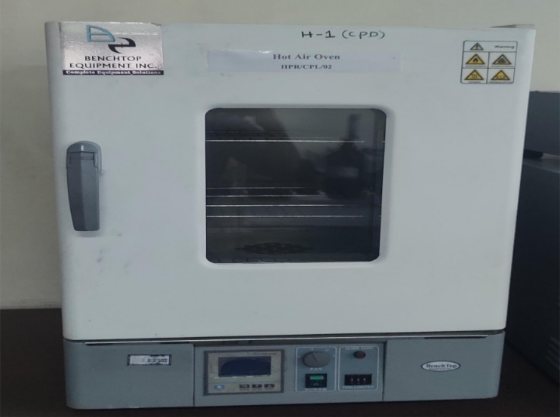
Hot air oven
Hot air oven
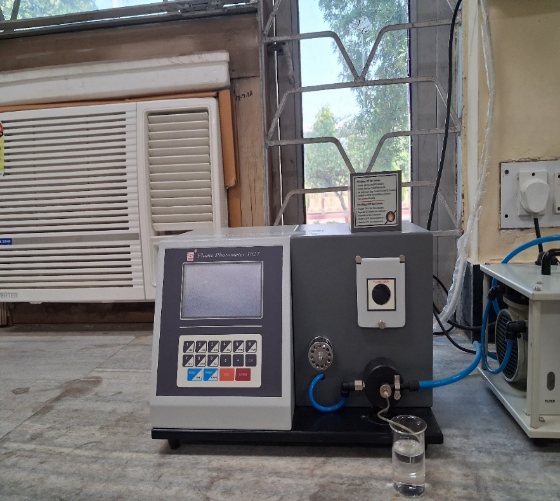
Flame photometer
Flame photometer
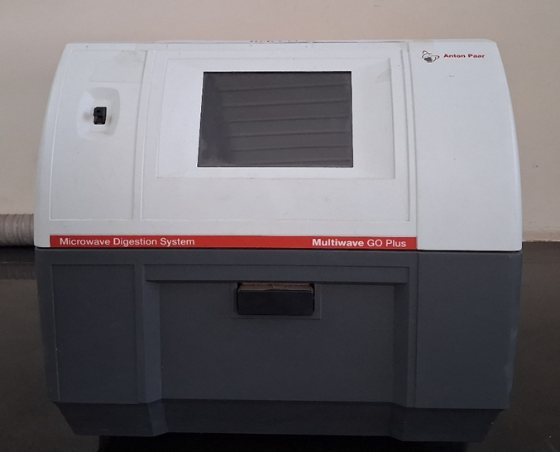
Microwave digestion unit
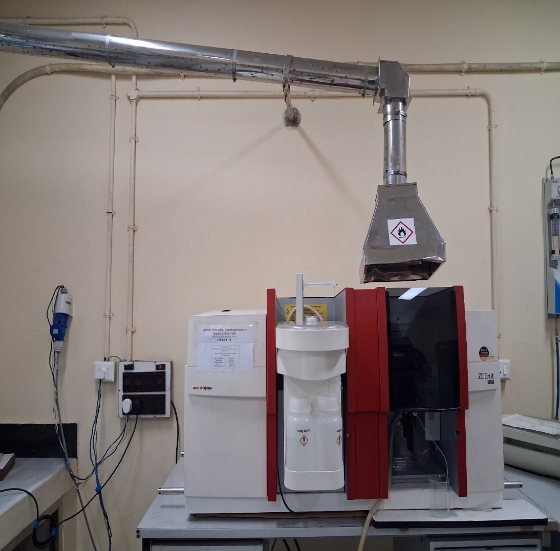
Atomic absorption spectrophotometer
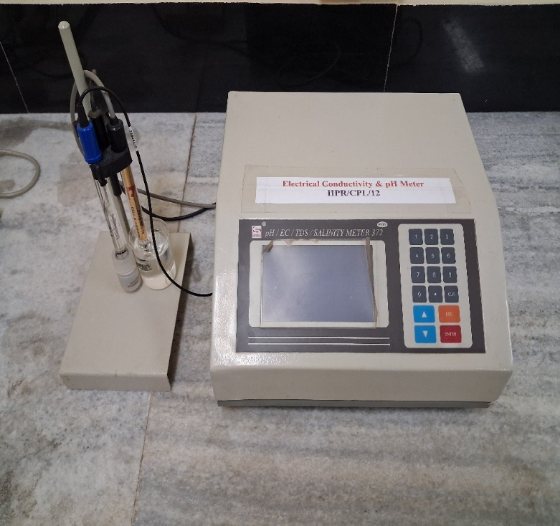
Electrical conductivity and pH meter
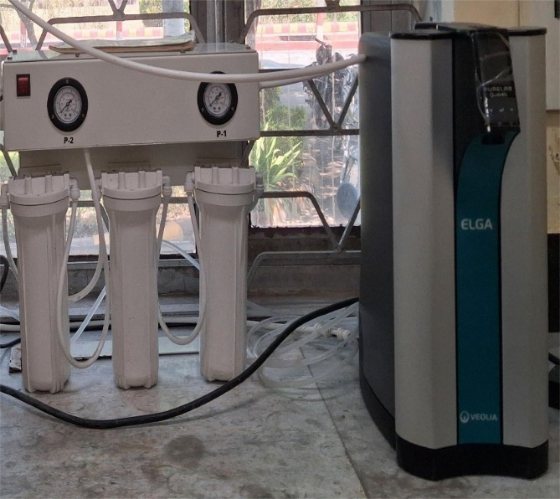
Elga ultra water purification system
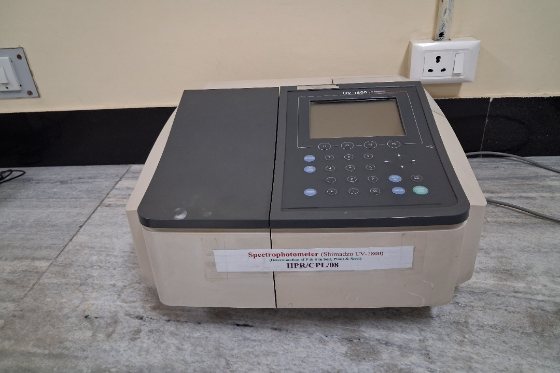
Spectrophotometer
Spectrophotometer
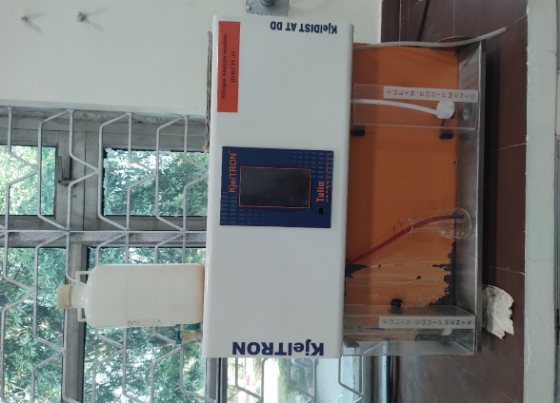
Nitrogen analyzer
Nitrogen analyzer
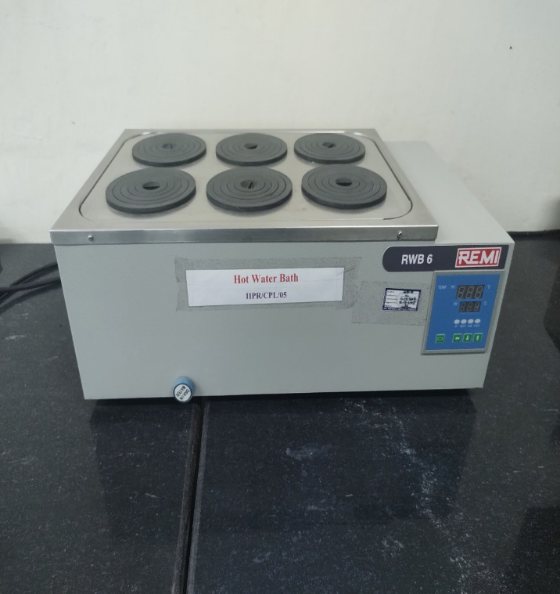
Hot water bath
Hot water bath
BOD incubator
BOD incubator
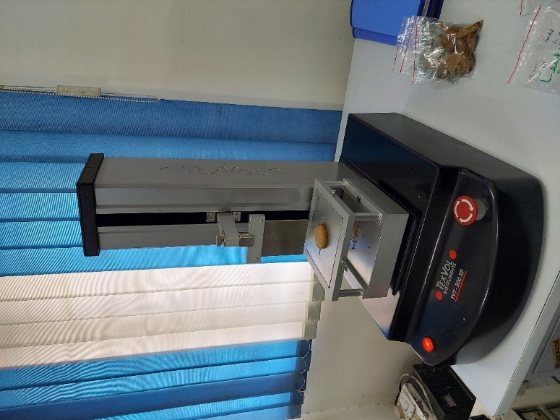
Texture analyzer
Texture analyzer
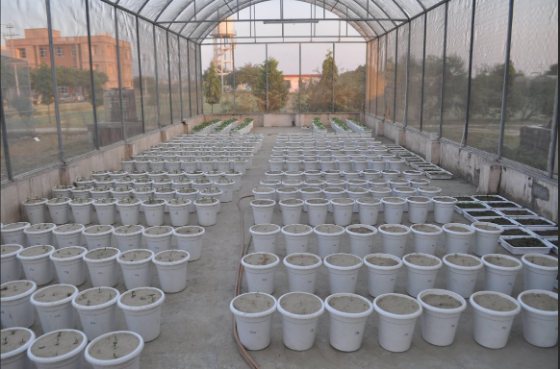
Net house facility
Net house facility