भाकृअनुप- भारतीय दलहन अनुसंधान संस्थान ICAR-Indian Institute of Pulses Research Pulses For Nutritional Security
  1. Home
  2. Pulse Varieties

Pulse Varieties

Varieties bred and released by ICAR-Indian Institute of Pulses Research across seven pulse crops — with yield potential, crop duration, recommended area and the special characters that distinguish each one.

Varietal output

The Institute’s Varieties at a Glance

69

Varieties released

7

Pulse crops covered

1987–2024

Years of varietal release

15

Chickpea varieties — the largest group

Catalogue

Browse by Crop

Filter by crop, or search for a variety by name, code, release year or recommended area.

69 of 69 shown

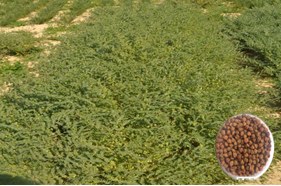
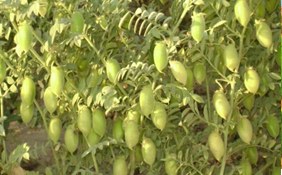
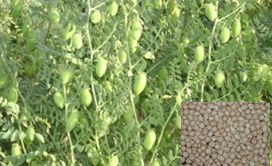
DCP 92-3 (Desi type) Chickpea

DCP 92-3 (Desi type)

  • Released 1998 (CVRC)
  • Potential yield 20–25 q/ha
  • Duration 140–145 days
  • Ecology Timely sown
  • Recommended area North West Plain Zone of India

Special characters: Tolerant to moisture stress and lodging, wilt resistant; yellowish brown seed colour with small seed size (16.0 g/100-seed weight).
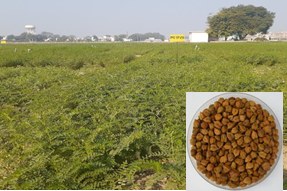
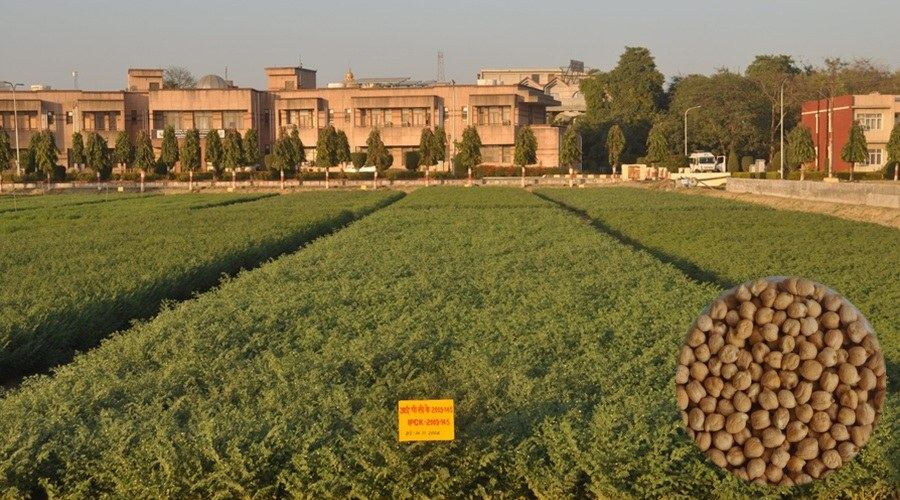
IPCK 2002-29 (Shubhra, Kabuli type) Chickpea

IPCK 2002-29 (Shubhra, Kabuli type)

  • Released 2009 (CVRC)
  • Potential yield 20–22 q/ha
  • Duration 105–115 days
  • Ecology Irrigated, timely sown
  • Recommended area Central Zone of India

Special characters: Kabuli type, creamy white seed colour with large seed size (34.0 g/100-seed weight), moderately resistant to wilt.

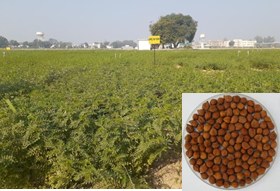
IPCK 2004-29 (Ujjawal, Kabuli type) Chickpea

IPCK 2004-29 (Ujjawal, Kabuli type)

  • Released 2010 (CVRC)
  • Potential yield 20–22 q/ha
  • Duration 105–115 days
  • Ecology Irrigated, timely sown
  • Recommended area Central Zone of India

Special characters: Kabuli type, creamy white seed colour with large seed size (35 g/100-seed wt.), moderately resistant to fusarium wilt.

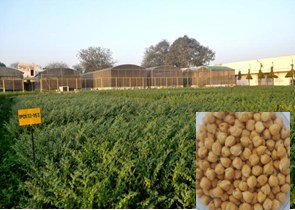
IPC 2006-77 (Desi type) Chickpea

IPC 2006-77 (Desi type)

  • Released 2019 (CVRC)
  • Potential yield 20–25 q/ha
  • Duration 115–120 days
  • Ecology Irrigated, late sown
  • Recommended area Central Zone

Special characters: Resistance to wilt and moderately tolerant to DRR, stunt and collar rot; light brown seed with small seed size (16.5 g/100-seed weight) and higher protein content (>24%).

IPC 2004-98 (Desi type) Chickpea

IPC 2004-98 (Desi type)

  • Released 2020, SVRC (UP)
  • Potential yield 18–20 q/ha
  • Duration 135–140 days
  • Ecology Irrigated, timely sown
  • Recommended area Central and Bundelkhand region of Uttar Pradesh

Special characters: Resistance to wilt; brown seed colour with large seed size (25.8 g/100-seed wt.).

IPC 2004-01 (Desi type) Chickpea

IPC 2004-01 (Desi type)

  • Released 2020, SVRC (UP)
  • Potential yield 18–20 q/ha
  • Duration 120–125 days
  • Ecology Irrigated, timely sown
  • Recommended area Central and Bundelkhand region of Uttar Pradesh

Special characters: Resistance to wilt; brown seed colour with medium seed size (20.2 g/100-seed wt.).

IPC 2005-62 (Desi type) Chickpea

IPC 2005-62 (Desi type)

  • Released 2020, SVRC (UP)
  • Potential yield 18–20 q/ha
  • Duration 120–125 days
  • Ecology Irrigated, late sown
  • Recommended area Western and Bundelkhand regions of Uttar Pradesh

Special characters: Resistance to wilt; brown seed colour with small seed (15.2 g/100-seed weight), higher protein content (>26%).

IPC 2011-112 (Keshav, Desi type) Chickpea

IPC 2011-112 (Keshav, Desi type)

  • Released 2020, SVRC (UP)
  • Potential yield 20–22 q/ha
  • Duration 135–140 days
  • Ecology Irrigated, timely sown
  • Recommended area Western regions of Uttar Pradesh

Special characters: Resistance to wilt; brown seed colour with medium seed size (20.2 g/100-seed wt.).

IPC 2007-28 (Atal, Desi type) Chickpea

IPC 2007-28 (Atal, Desi type)

  • Released 2021, SVRC (UP)
  • Potential yield 20–22 q/ha
  • Duration 115–125 days
  • Ecology Irrigated, late sown
  • Recommended area Eastern region of Uttar Pradesh

Special characters: Highly resistant to wilt, tolerant to DRR and collar rot diseases; brown, medium seed size (18.5 g/100-seed wt.).

IPC 2010-134 (Shiva, Desi type) Chickpea

IPC 2010-134 (Shiva, Desi type)

  • Released 2021, SVRC (UP)
  • Potential yield 22–24 q/ha
  • Duration 125–135 days
  • Ecology Irrigated, timely sown
  • Recommended area Western and Bundelkhand regions of Uttar Pradesh

Special characters: Highly resistant to wilt, moderately tolerant to DRR; brown, medium seed size (23.0 g/100-seed weight).
IPCK 2013-163 (Madhav, Kabuli type) Chickpea

IPCK 2013-163 (Madhav, Kabuli type)

  • Released 2021 (CVRC)
  • Potential yield 22–24 q/ha
  • Duration 125–135 days
  • Ecology Irrigated, timely sown
  • Recommended area North West Plain Zone of India

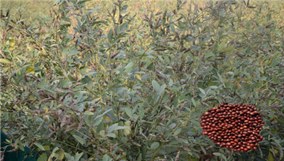
Special characters: Seed creamy beige colour with large seed size (28.7 g/100-seed weight); moderately resistant to fusarium wilt, dry root rot, collar rot and stunt diseases.

IPCL 4-14 (Desi type, MAS product) Chickpea

IPCL 4-14 (Desi type, MAS product)

  • Released 2021 (CVRC)
  • Potential yield 18–20 q/ha
  • Duration 130–135 days
  • Ecology Irrigated, timely sown
  • Recommended area North West Plain Zone of India

Special characters: Drought tolerant MAS product. Seed light brown colour with small seed size (16.6 g/100-seed weight); resistant to fusarium wilt, collar rot and stunt diseases, moderately tolerant to dry root rot.

IPCK 2009-145 (Kanchan, Kabuli type) Chickpea

IPCK 2009-145 (Kanchan, Kabuli type)

  • Released 2023, SVRC (UP)
  • Potential yield 18–20 q/ha
  • Duration 130–135 days
  • Ecology Irrigated, timely sown
  • Recommended area Uttar Pradesh

Special characters: Seed creamy white Kabuli type with large seed size (32.2 g/100-seed weight); moderately resistant to fusarium wilt. Semi-erect growth habit with medium tall height (55.6 cm), broad leaf size, light green foliage and tolerance to high temperature.

IC number
645909
Pedigree
JGK 1 / ICC 17109
Breeding method
Hybridization followed by pedigree method of selection
Notification
S.O. 1056(E) dated 06.03.2023
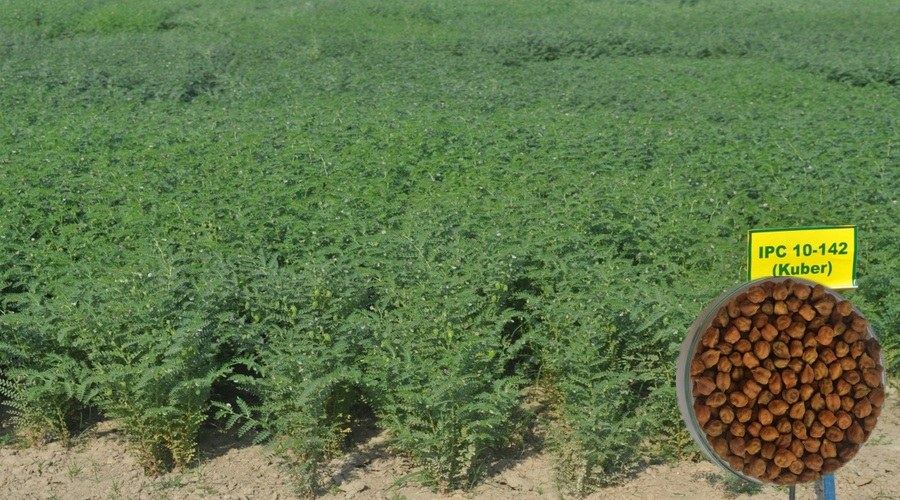
IPC 2010-142 (Kuber, Desi type) Chickpea

IPC 2010-142 (Kuber, Desi type)

  • Released 2023, SVRC (UP)
  • Potential yield 20–22 q/ha
  • Duration 130–140 days
  • Ecology Irrigated, timely sown
  • Recommended area Uttar Pradesh

Special characters: Seed brown colour with angular shape and large seed size (29.1 g/100-seed weight); resistant to fusarium wilt and moderately resistant to DRR, ascochyta blight and BGM. Less incidence of pod borer, semi-erect growth habit with tall plant height, green foliage and tolerance to high temperature.

IC number
645910
Pedigree
RSG 143-1 / IPC 94-94
Breeding method
Hybridization followed by pedigree method of selection
Notification
S.O. 1056(E) dated 06.03.2023
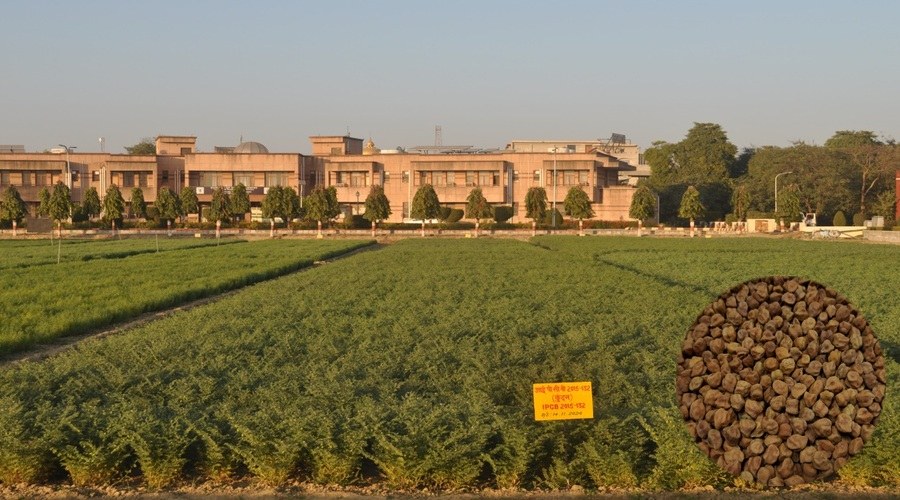
IPCB 2015-132 (Kundan, machine harvestable, Desi type) Chickpea

IPCB 2015-132 (Kundan, machine harvestable, Desi type)

  • Released 2024 (CVRC)
  • Potential yield 22–25 q/ha
  • Duration 125–130 days
  • Ecology Irrigated, timely sown
  • Recommended area North Eastern Plain Zone — Eastern Uttar Pradesh, Bihar, Jharkhand, West Bengal and Assam

Special characters: Seed brown colour and medium seed size (14.7 g/100-seed wt.) with 20.25% seed protein; resistant to fusarium wilt and tolerant to DRR and collar rot. Tall plants (>65.0 cm height, first podding height >28 cm) with erect growth habit, lodging resistant and suitable for machine harvest.

IC number
650473
Pedigree
Interspecific hybridization [GNG 1581 (Cicer arietinum) / ILWC 21 (Cicer reticulatum)] followed by pedigree selection
Notification
S.O. 1560(E) dated 26.03.2024
IPA 203 (Prakash) Pigeonpea

IPA 203 (Prakash)

  • Released 2015 (CVRC)
  • Potential yield 25–28 q/ha
  • Duration 249–255 days
  • Recommended area North East Plain Zone

Special characters: Resistant to fusarium wilt; light brown seed colour with medium seed size (12–14 g/100-seed).

IPA 206 (Ganga) Pigeonpea

IPA 206 (Ganga)

  • Released 2019, SVRC (UP)
  • Potential yield 25–26 q/ha
  • Duration 245–250 days
  • Recommended area Uttar Pradesh

Special characters: Resistant to wilt and sterility mosaic disease; purple seed colour with medium seed size (10–11 g/100-seed wt.).

IPA 15-2 (Sharada) Pigeonpea

IPA 15-2 (Sharada)

  • Released 2020 (CVRC)
  • Potential yield 28–33 q/ha
  • Duration 240–255 days
  • Recommended area North East Plain Zone

Special characters: Resistant to fusarium wilt and sterility mosaic; brown seed colour with medium seed size (10–12 g/100-seed).

IPH 15-03 (Hybrid) Pigeonpea

IPH 15-03 (Hybrid)

  • Released 2020 (CVRC)
  • Potential yield 24–25 q/ha
  • Duration 150–155 days
  • Recommended area North West Plain Zone

Special characters: Hybrid variety resistant to wilt; brown seed colour with medium seed size (8–8.54 g/100-seed wt.).

IPH 9-05 (Hybrid) Pigeonpea

IPH 9-05 (Hybrid)

  • Released 2021 (CVRC)
  • Potential yield 22–23 q/ha
  • Duration 150–155 days
  • Recommended area North West Plain Zone

Special characters: Hybrid variety tolerant to phytophthora blight and sterility mosaic, moderately resistant to wilt; medium seed size (9–9.6 g/100-seed).

IPAE 15-6 Pigeonpea

IPAE 15-6

  • Released 2021 (CVRC)
  • Potential yield 21–25 q/ha
  • Duration 129–149 days
  • Recommended area Central Zone

Special characters: Tolerant to sterility mosaic and phytophthora blight, moderately resistant to wilt; medium brown seed size (9.5–10 g/100-seed).

PDM 11 Mungbean

PDM 11

  • Released 1987 (CVRC)
  • Average yield 8–10 q/ha
  • Duration 75 days
  • Recommended area North East Plain Zone, Central Zone

Special characters: Resistant to yellow mosaic disease.

PDM 54 (Moti) Mungbean

PDM 54 (Moti)

  • Released 1987 (CVRC)
  • Average yield 8–10 q/ha
  • Duration 65 days
  • Recommended area North West Plain Zone, North East Plain Zone

Special characters: Early maturity, large seeds, multiple disease resistance.

PDM 139 (Samrat) Mungbean

PDM 139 (Samrat)

  • Released 2001, SVRC (UP)
  • Average yield 10–12 q/ha
  • Duration 58–62 days
  • Recommended area Uttar Pradesh

Special characters: Early maturity, MYMV resistance, shining green seed.

IPM 99-125 (Meha) Mungbean

IPM 99-125 (Meha)

  • Released 2004 (CVRC)
  • Average yield 12–15 q/ha
  • Duration 65–72 days
  • Recommended area North East Plain Zone

Special characters: Early maturity, MYMV resistance.

IPM 02-3 Mungbean

IPM 02-3

  • Released 2009 (CVRC)
  • Average yield 12–15 q/ha
  • Duration 65–70 days
  • Recommended area North West Plain Zone

Special characters: Photo- and thermo-insensitive with high resistance to YMD.

IPM 2-14 Mungbean

IPM 2-14

  • Released 2011 (CVRC)
  • Average yield 12–14 q/ha
  • Duration 62–65 days
  • Recommended area South Zone

Special characters: Highly resistant to YMD.

IPM 205-7 (Virat) Mungbean

IPM 205-7 (Virat)

  • Released 2016 (CVRC)
  • Average yield 13–15 q/ha
  • Duration 55 days
  • Recommended area Karnataka, Tamil Nadu, Madhya Pradesh, Gujarat, Rajasthan, Maharashtra, Uttar Pradesh

Special characters: Highly resistant to YMD, powdery mildew and cercospora leaf spot.

IPM 410-3 (Shikha) Mungbean

IPM 410-3 (Shikha)

  • Released 2016 (CVRC)
  • Average yield 13–16 q/ha
  • Duration 60–65 days
  • Recommended area North West Plain Zone, Central Zone

Special characters: Highly resistant to YMD, powdery mildew and cercospora leaf spot.

IPM 2014-9 (Varsha) Mungbean

IPM 2014-9 (Varsha)

  • Released 2018, SVRC (UP)
  • Potential yield 10–12 q/ha
  • Duration 65–75 days
  • Recommended area Uttar Pradesh

Special characters: Highly resistant to YMD and powdery mildew, moderately resistant to cercospora leaf spot.

IPM 302-2 (Kanika) Mungbean

IPM 302-2 (Kanika)

  • Released 2018, SVRC (UP)
  • Potential yield 10–12 q/ha
  • Duration 70–75 days
  • Recommended area Uttar Pradesh

Special characters: Highly resistant to YMD and powdery mildew, resistant to leaf curl.

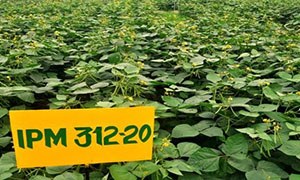
IPM 312-20 (Vasudha) Mungbean

IPM 312-20 (Vasudha)

  • Released 2020, SVRC (UP)
  • Potential yield 12–14 q/ha
  • Duration 70–80 days
  • Recommended area Uttar Pradesh

Special characters: Resistant to YMD, powdery mildew and cercospora leaf spot.

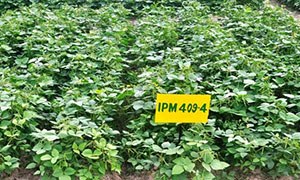
IPM 409-4 (Heera) Mungbean

IPM 409-4 (Heera)

  • Released 2020, SVRC (UP)
  • Potential yield 11–12 q/ha
  • Duration 70–74 days
  • Recommended area Uttar Pradesh

Special characters: Resistant to YMD, powdery mildew and cercospora leaf spot.

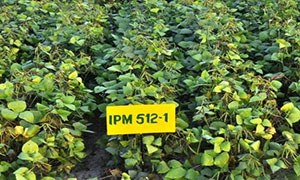
IPM 512-1 (Soorya) Mungbean

IPM 512-1 (Soorya)

  • Released 2020 (CVRC)
  • Potential yield 14–16 q/ha
  • Duration 65–70 days
  • Recommended area North East Plain Zone

Special characters: Highly resistant to YMD, cercospora leaf spot and anthracnose.

PDU 1 (Basant Bahar) Urdbean

PDU 1 (Basant Bahar)

  • Released 1991 (CVRC)
  • Potential yield 9–10 q/ha
  • Duration 70–80 days
  • Recommended area North West Plain Zone, Central Zone

Special characters: MYMV tolerant, good plant type.

IPU 94-1 (Uttara) Urdbean

IPU 94-1 (Uttara)

  • Released 1999 (CVRC)
  • Potential yield 12–14 q/ha
  • Duration 80–85 days
  • Recommended area North West Plain Zone, North East Plain Zone

Special characters: MYMV resistant, attractive plant type.

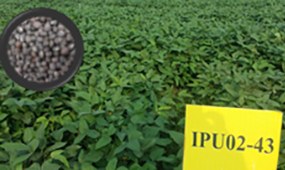
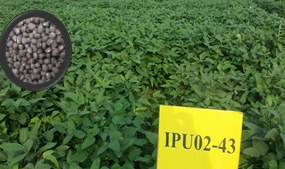
IPU 02-43 Urdbean

IPU 02-43

  • Released 2008 (CVRC)
  • Potential yield 10–12 q/ha
  • Duration 70–72 days
  • Recommended area South Zone

Special characters: MYMV and powdery mildew resistant.

IPU 11-02 Urdbean

IPU 11-02

  • Released 2019, SVRC (UP, MP)
  • Potential yield 10–12 q/ha
  • Duration 80–85 days
  • Recommended area Madhya Pradesh and Uttar Pradesh

Special characters: Dull black colour with medium-large seed (4.3 g/100-seed wt.) and high protein content (26%); resistant to MYMV, ULCV, powdery mildew, anthracnose and cercospora leaf spot.

IPU 10-26 Urdbean

IPU 10-26

  • Released 2019, SVRC (MP)
  • Potential yield 10–12 q/ha
  • Duration 70–75 days
  • Recommended area Madhya Pradesh

Special characters: Shining black seed colour, medium-large seed (3.82 g/100-seed wt.) with high protein content (25%); highly resistant to MYMV and cercospora leaf spots, resistant to ULCV, stem necrosis, web blight, BLB, anthracnose and powdery mildew.

DPL 15 (Priya) Lentil

DPL 15 (Priya)

  • Released 1995 (CVRC)
  • Potential yield 15–16 q/ha
  • Duration 135–140 days
  • Recommended area North West Plain Zone

Special characters: Resistant to rust and tolerant to wilt.

DPL 62 (Sheri) Lentil

DPL 62 (Sheri)

  • Released 1997 (CVRC)
  • Potential yield 17–18 q/ha
  • Duration 130–135 days
  • Recommended area North West Plain Zone

Special characters: Resistant to rust and tolerant to wilt, with large seeds.

IPL 81 (Noori) Lentil

IPL 81 (Noori)

  • Released 2000 (CVRC)
  • Potential yield 12–14 q/ha
  • Duration 110–115 days
  • Recommended area Central Zone

Special characters: Tolerant to rust and wilt, medium size seeds.

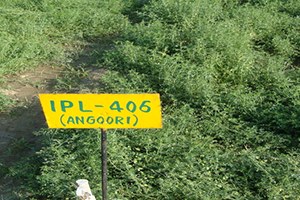
IPL 406 (Angoori) Lentil

IPL 406 (Angoori)

  • Released 2007 (CVRC)
  • Potential yield 17–18 q/ha
  • Duration 125–130 days
  • Recommended area North West Plain Zone

Special characters: Tolerant to rust and wilt, extra-large seeds.

IPL 316 Lentil

IPL 316

  • Released 2013 (CVRC)
  • Potential yield 18–20 q/ha
  • Duration 102–112 days
  • Recommended area Central Zone

Special characters: Resistance to wilt and rust. Seed brown with red cotyledons and large (3.1 g/100-seed wt.).

IPL 526 Lentil

IPL 526

  • Released 2015, SVRC (UP)
  • Potential yield 10–15 q/ha
  • Duration 105–112 days
  • Recommended area Uttar Pradesh

Special characters: Tolerance to wilt and rust diseases; seed attractive with large size (3.0 g/100 seeds) and red cotyledons.

IPL 220 (Biofortified variety) Lentil

IPL 220 (Biofortified variety)

  • Released 2018 (CVRC)
  • Potential yield 15–20 q/ha
  • Duration 120–125 days
  • Recommended area North East Plain Zone

Special characters: Resistance to rust, wilt and stemphylium blight; brown seed coat with orange cotyledon, small seeded (2.4 g/100-seed wt.), high zinc and iron content.

IPL 321 Lentil

IPL 321

  • Released 2018, SVRC (UP)
  • Potential yield 12–14 q/ha
  • Duration 125–135 days
  • Recommended area Uttar Pradesh

Special characters: Resistant to wilt, large seeded.

IPL 315 Lentil

IPL 315

  • Released 2019, SVRC (UP)
  • Potential yield 15–20 q/ha
  • Duration 129–138 days
  • Recommended area Uttar Pradesh

Special characters: Resistant to rust and tolerant to wilt. Seed brown colour with orange cotyledons and large size (2.9 g/100-seed weight).
IPL 534 Lentil

IPL 534

  • Released 2019, SVRC (MP)
  • Potential yield 14–16 q/ha
  • Duration 100–107 days
  • Recommended area Madhya Pradesh

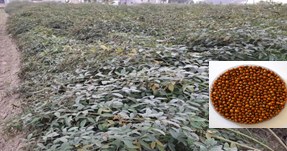
Special characters: Early maturing; resistance to rust, wilt and stemphylium blight. Seed brown with red cotyledons and large size (3.2 g/100-seed wt.).
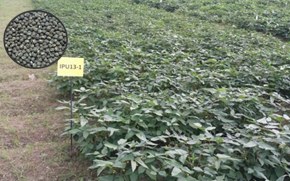
IPL 225 Lentil

IPL 225

  • Released 2020, SVRC (UP)
  • Potential yield 12–14 q/ha
  • Duration 105–133 days
  • Recommended area Uttar Pradesh

Special characters: Highly resistant to rust and wilt diseases; small seeded (2.1 g/100 seeds), brown dotted seed coat and red cotyledons.
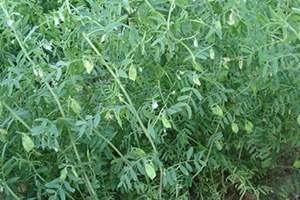
IPL 329 Lentil

IPL 329

  • Released 2020, SVRC (UP)
  • Potential yield 12–14 q/ha
  • Duration 115–134 days
  • Recommended area Uttar Pradesh

Special characters: Resistance to rust and wilt diseases; large seeds (2.9 g/100 seeds) with brown dotted seed coat and red cotyledons.

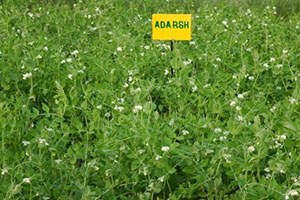
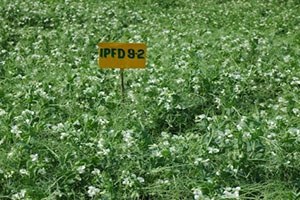
IPF 99-25 (Adarsh) Fieldpea

IPF 99-25 (Adarsh)

  • Released 2000 (CVRC)
  • Potential yield 23–24 q/ha
  • Duration 110–115 days
  • Recommended area Central Zone

Special characters: Tall type with powdery mildew resistance.

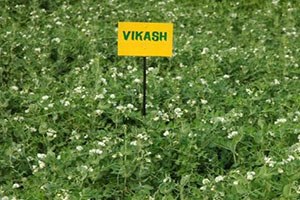
IPFD 99-13 (Vikas) Fieldpea

IPFD 99-13 (Vikas)

  • Released 2005 (CVRC)
  • Potential yield 22–25 q/ha
  • Duration 100–105 days
  • Recommended area Central Zone

Special characters: Dwarf type with powdery mildew resistance.

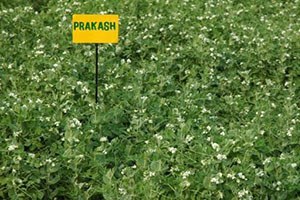
IPFD 01-10 (Prakash) Fieldpea

IPFD 01-10 (Prakash)

  • Released 2006 (CVRC)
  • Potential yield 22–25 q/ha
  • Duration 110–115 days
  • Recommended area Central Zone, North Hill Zone

Special characters: Large seeds with powdery mildew resistance.

IPF 05-19 (Aman) Fieldpea

IPF 05-19 (Aman)

  • Released 2009 (CVRC)
  • Potential yield 22–25 q/ha
  • Duration 120–130 days
  • Recommended area North West Plain Zone

Special characters: Powdery mildew resistance, tolerant to rust.

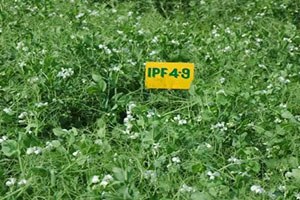
IPF 04-9 Fieldpea

IPF 04-9

  • Released 2010, SVRC (UP)
  • Potential yield 18–20 q/ha
  • Duration 125–130 days
  • Recommended area Uttar Pradesh

Special characters: Powdery mildew resistance, tolerant to rust.

IPFD 10-12 (Green seed) Fieldpea

IPFD 10-12 (Green seed)

  • Released 2014 (CVRC)
  • Potential yield 21–22 q/ha
  • Duration 110–115 days
  • Recommended area Central Zone

Special characters: Resistant to powdery mildew; dwarf type with green seeds.

IPFD 11-5 Fieldpea

IPFD 11-5

  • Released 2016 (CVRC)
  • Potential yield 22–23 q/ha
  • Duration 105–110 days
  • Recommended area Central Zone

Special characters: Creamy white round seeded; resistant to powdery mildew disease and moderately tolerant to pod borer.

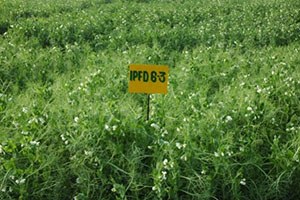
IPFD 6-3 Fieldpea

IPFD 6-3

  • Released 2016, SVRC (UP)
  • Potential yield 19–20 q/ha
  • Duration 115–120 days
  • Recommended area Uttar Pradesh

Special characters: Round seeded with creamy white seed coat colour; resistant to powdery mildew, tolerant to rust.

IPFD 12-2 Fieldpea

IPFD 12-2

  • Released 2017 (CVRC)
  • Potential yield 22–25 q/ha
  • Duration 110 days
  • Recommended area Central Zone

Special characters: White and round seeded; resistant to powdery mildew disease and pod borer, moderately resistant to aphids and leaf miner.

IPFD 14-2 Fieldpea

IPFD 14-2

  • Released 2018 (CVRC)
  • Potential yield 22–23 q/ha
  • Duration 105–110 days
  • Recommended area Central Zone

Special characters: Tan colour mottled seed; resistant to powdery mildew.

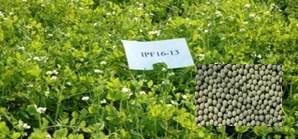
IPF 16-13 (Harit, Green seed) Fieldpea

IPF 16-13 (Harit, Green seed)

  • Released 2020 (CVRC)
  • Potential yield 18–20 q/ha
  • Duration 115–120 days
  • Recommended area North East Plain Zone

Special characters: Round and green seeded variety; resistant to powdery mildew disease.

IPFD 9-2 Fieldpea

IPFD 9-2

  • Released 2019, SVRC (UP)
  • Potential yield 20–22 q/ha
  • Duration 125–130 days
  • Recommended area Uttar Pradesh

Special characters: Round, creamish white seed; resistant to powdery mildew disease.

IPFD 12-8 (Aakash) Fieldpea

IPFD 12-8 (Aakash)

  • Released 2020, SVRC (UP)
  • Potential yield 20–22 q/ha
  • Duration 120–130 days
  • Recommended area Uttar Pradesh

Special characters: Resistant to powdery mildew and rust disease; dwarf and leafy type with medium creamish white round seed.

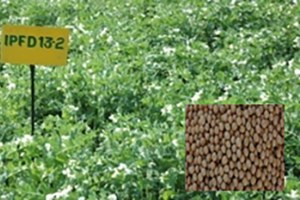
IPFD 13-2 (Anant) Fieldpea

IPFD 13-2 (Anant)

  • Released 2020, SVRC (UP)
  • Potential yield 20–22 q/ha
  • Duration 115–125 days
  • Recommended area Uttar Pradesh

Special characters: Resistant to powdery mildew, downy mildew and rust disease; medium seed size, round, smooth and white seed colour.

PDR 14 (Uday) Rajmash

PDR 14 (Uday)

  • Released 1991 (CVRC)
  • Potential yield 20–22 q/ha
  • Duration 125–130 days
  • Recommended area North East Plain Zone

Special characters: Tolerance to BCMV and variegated red seeds.

IPR 96-4 (Amber) Rajmash

IPR 96-4 (Amber)

  • Released 2002 (CVRC)
  • Potential yield 20–24 q/ha
  • Duration 139–145 days
  • Recommended area North East Plain Zone

Special characters: Resistant to BCMV and leaf crinkle.

IPR 98-5 (Utkarsh) Rajmash

IPR 98-5 (Utkarsh)

  • Released 2005 (CVRC)
  • Potential yield 24–25 q/ha
  • Duration 122–125 days
  • Recommended area North East Plain Zone

Special characters: Tolerance to BCMV, cold tolerance, attractive seed colour.

IPR 98-3-1 (Arun) Rajmash

IPR 98-3-1 (Arun)

  • Released 2007
  • Potential yield 24–25 q/ha
  • Duration 120–125 days
  • Recommended area Central Zone

Special characters: Tolerance to BCMV, attractive dark red medium seeds.

Related

Protection & Transfer

Registration with PPV&FR

Many of these varieties carry a certificate of registration from the Protection of Plant Varieties and Farmers’ Rights Authority, which establishes the institute’s breeder’s rights. See the PPV&FR register for the full list of registrations.

Seed licensing

Registered varieties are licensed to seed companies for multiplication and sale through the Institute Technology Management Unit. See Licensing for the companies holding those agreements, and Technology for the institute’s postharvest machinery and processes offered for transfer.