भाकृअनुप- भारतीय दलहन अनुसंधान संस्थान ICAR-Indian Institute of Pulses Research Pulses For Nutritional Security
  1. Home
  2. Division of Basic Sciences

Division of Basic Sciences

Basic and strategic research on yield, climate resiliency, nutritional quality and ecosystem services of major pulses — across plant physiology, plant biochemistry, agricultural chemistry and microbiology.

Established 1996

Introduction

Welcome to the Division of Basic Sciences. This division was established in the year 1996 with the vision of conducting basic and strategic research on enhancing yield, climate resiliency, nutritional quality and ecosystem services of major pulses for nutritional security and production sustainability.

The division pursues research on four disciplines — plant physiology, plant biochemistry, agricultural chemistry and microbiology. It is well equipped with modern facilities to carry out cutting-edge research such as gene characterization through genome editing tools, mitigating physiological constraints to productivity, improving plant adaptation to abiotic stresses, enhancing and exploring the nutritive value of pulses, and exploring microbial resources for improving plant health.

Thrust areas

  • Exploring developmental biology / stress physiology to develop climate-SMART pulses.
  • Production physiology to improve nutrient use efficiency and break yield barriers.
  • Exploring bioactive components and anti-nutritional factors in pulse grains.
  • Improving microbe-mediated ecosystem services under pulses cultivation.

New initiatives

  • Exploring input responsiveness in pulses for enhanced grain yield.
  • Physiological characterization of suitable plant type for enhanced yield in short-duration pigeonpea and mechanically harvestable urdbean.
  • Protein quality of chickpea.
  • Characterization of host genes involved in symbiotic nitrogen fixation.
  • Genome editing to improve yield and symbiotic efficiency of chickpea.
  • Development, mass production and technology transfer of microbial products.
Major research achievements

Abiotic Stress Physiology

Heat tolerance in lentil

The genotype IG 3522 was identified as tolerant to heat stress based on its ability to maintain a cooler canopy, high chlorophyll index, setting of a high number of pods in terminal branches, high MSI, peroxidase activity and higher seed yield under heat stress conditions (>30 °C) compared with the other genotypes under test. This genotype has also shown the lowest Heat Susceptibility Index (HSI).

Heat tolerance in urdbean

Lethal temperature and induction temperature were standardized for urdbean genotypes using the Temperature Induction Response (TIR) technique. Genotypes PGRU 95016 and PGRU 95014 were found to be putatively heat tolerant, and also possess high photosynthetic rates.

High input responsiveness in chickpea & lentil
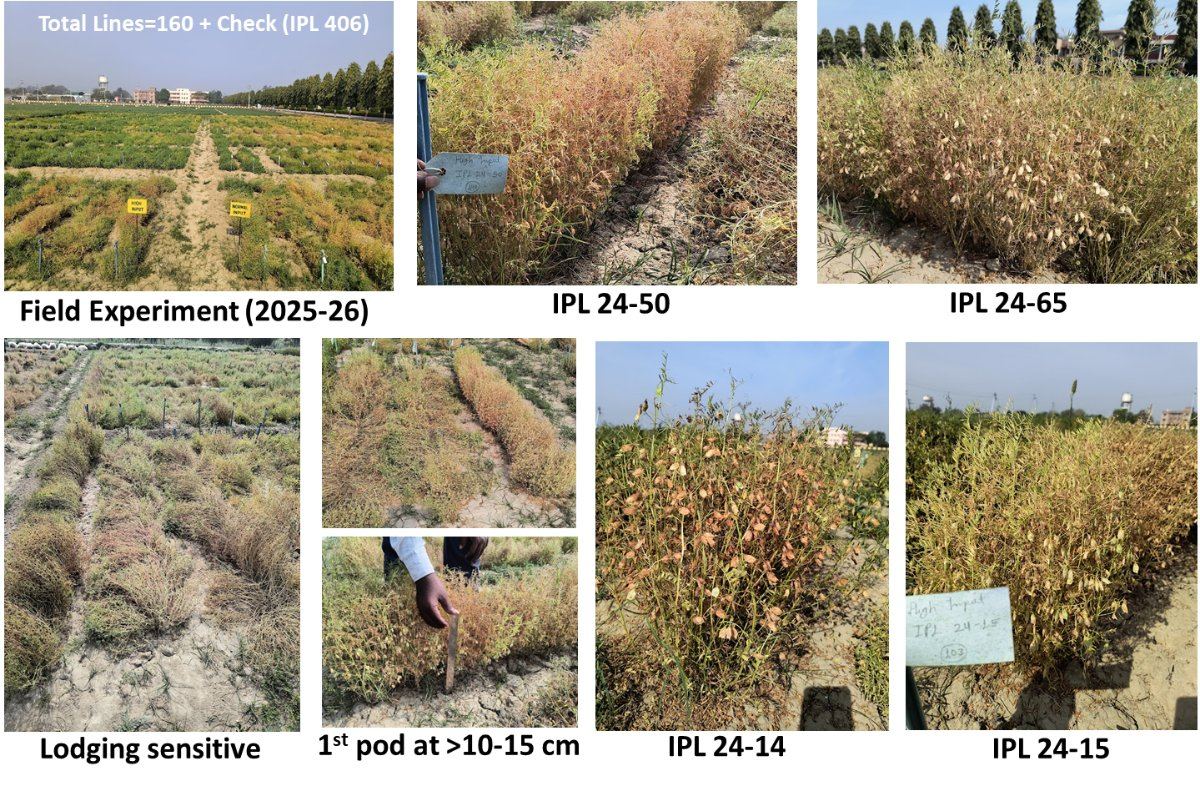
  • Chickpea genotypes were evaluated under normal and high-input management under irrigated conditions. Genotype IPC 21-66 showed the highest lodging resistance; crop lodging resistance was the most important parameter for responsiveness to high-input management. Three genotypes (JG 2021-71, Phule Vikram and GJG 1913) were found highly responsive to high-input management and consistently performed better than the normal recommended package of practice.
  • A total of 161 genotypes / varieties of lentil were evaluated under normal and high-input management. Among these, 113 showed a positive response. IPL 24-50, IPL 24-65, IPL 24-14 and IPL 24-15 showed high resistance to lodging under high-input management.

Cold tolerance in pigeonpea

Based on the reaction of pigeonpea genotypes to cold stress — flower/pod drop and retention, cold injury at the apical meristems and post-regeneration of the apical portion — genotypes NDA-2, MAL-13, ICP-2275 and IPACT-2 showed around 20–40% flower/pod drop, retained 60–80% flowers/pods, <20% apical damage and >80% recovery of the apical portion, and are therefore highly tolerant to cold stress.

Efficient plant type in short-duration pigeonpea

Genotypes AL-288, ICP-3708, ICP-9875, ICPL-87047, ICPL-88034, DPP 2-177, P-1095, JAM 9-19, JAM 9-20, ICPL-91052 and DPP 3-99 showed maximum biomass production, pod number per plant, test weight and grain yield per plant, along with the maximum number of primary and secondary branches, NDVI and leaf chlorophyll, and were superior to the checks used.

Waterlogging tolerance in pigeonpea

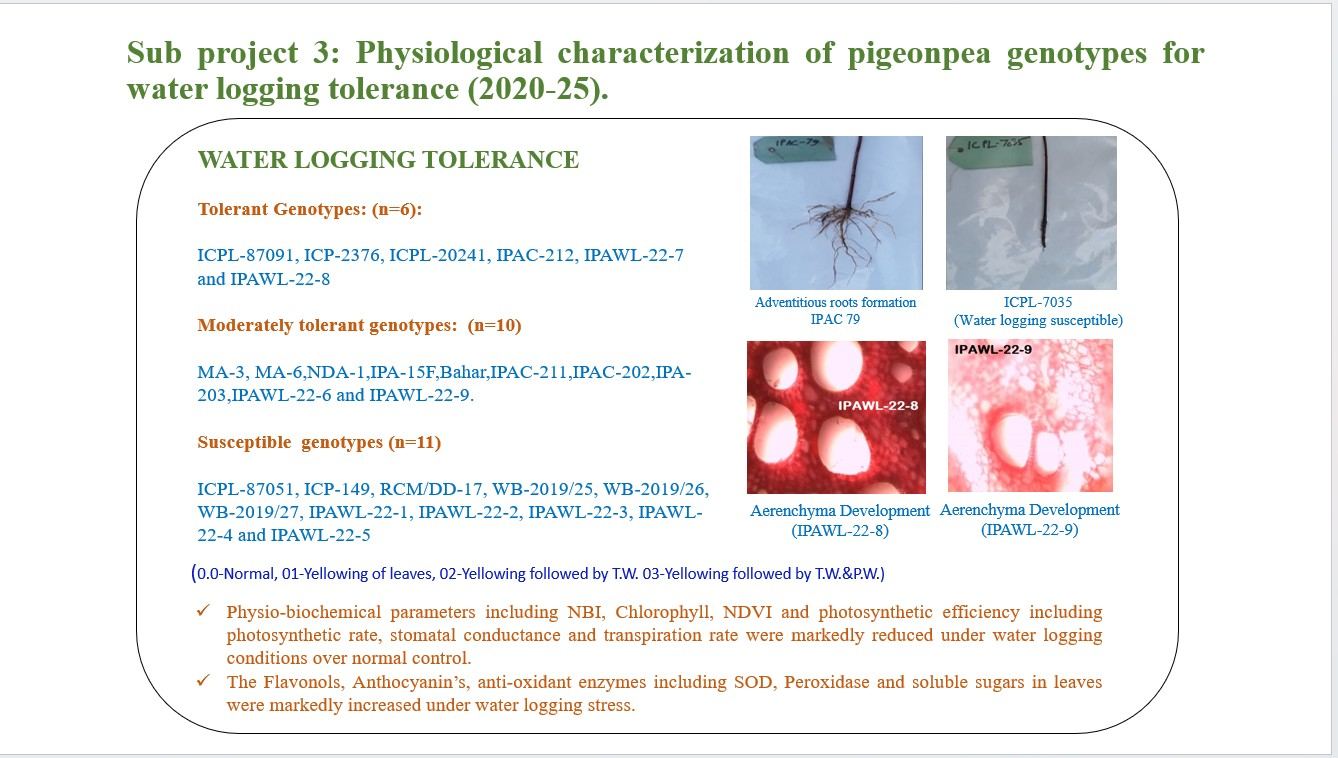
ICPL-87091, ICP-2376, ICPL-20241, IPAC-212, IPAWL-22-7 and IPAWL-22-8 were identified as waterlogging tolerant. Development of adventitious roots was observed under waterlogged conditions only; in susceptible genotypes, no or negligible adventitious roots were found.
Major research achievements

Biochemical Responses of Chickpea to Heat Stress

Biochemical analysis

  • Glutamine synthetase (GS) and glutamate synthase (GOGAT) are key enzymes of the GS–GOGAT cycle, which facilitates the incorporation of ammonia into amino acids and contributes to protein biosynthesis. Activity of GS along with sucrose synthase decreased under heat stress, while GOGAT activity increased compared with normal temperature conditions.
  • HPLC analysis of the phenolic profile indicated that heat stress increased the concentrations of syringic acid, sinapic acid and myricetin in all chickpea leaves. Increases in ellagic acid, myricetin and apigenin were more pronounced in heat-tolerant genotypes than in susceptible ones.
  • Stigmasterol and β-sitosterol content increased under heat stress, which is crucial for maintaining the stability of bio-membranes and acts as the first line of defence against stress.

Gene expression

  • The expression profile of genes involved in the biosynthesis of phenolic compounds and phytosterols showed that expression of key phenolics biosynthesis pathway genes — DAHPS, DHQS_1, PAL_1, PAL_2, CCoAOMT_2, CHS, FLS, HMGR, CAS1/LAS1 and DIM/DWF1 — was specific to the leaves of the heat-tolerant genotype (ICCV 92944).
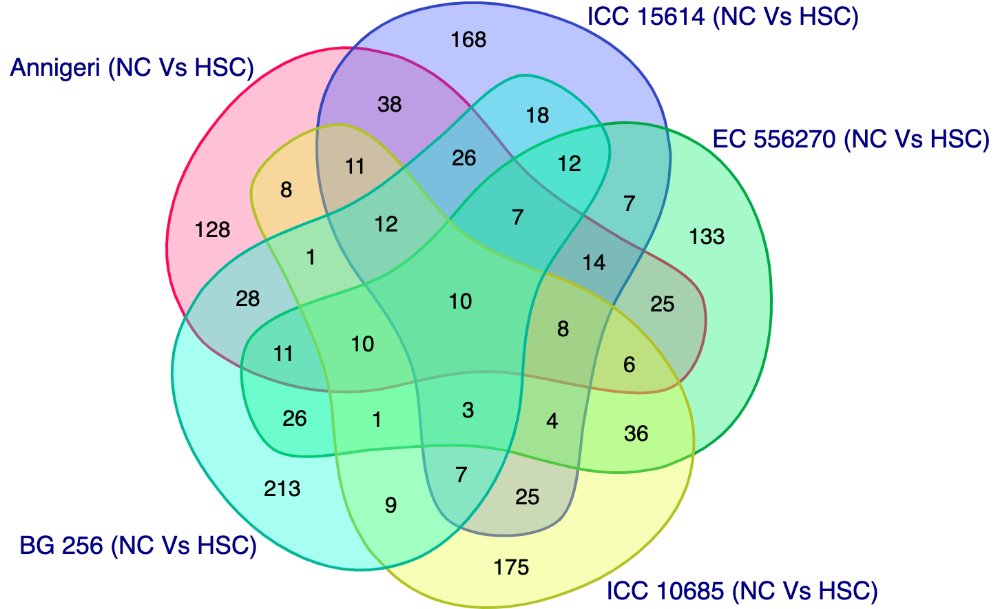
  • Upregulation of LOC101505773 (class-I heat shock protein, 18.2 kDa, involved in protein processing in the endoplasmic reticulum) and LOC101511214 (adenylate-isopentenyl-transferase 3) was observed in heat-tolerant chickpea genotypes (Annegiri, ICC 15614, EC 556270) relative to heat-susceptible ones (ICC 10685, BG 256). Adenylate-isopentenyl-transferase is involved in cytokinin biosynthesis and enhances thermotolerance in flowers by reducing flower abortion rates.
Major research achievements

Bioactive Components of Common Bean

Raffinose family oligosaccharides (RFO)

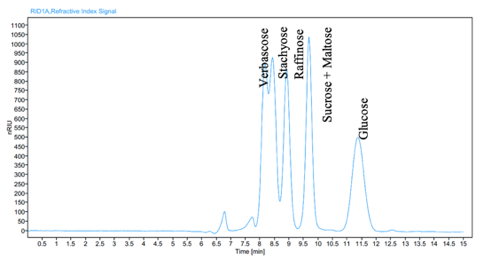
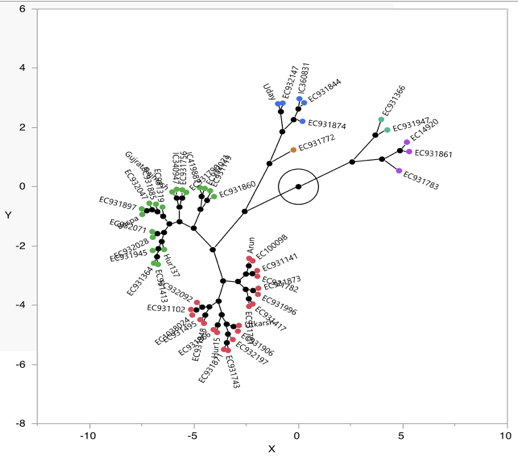
The RFO profile of fifty common bean genotypes was determined through the HPLC-RI method. Stachyose was found to be the major RFO in common bean, followed by raffinose. Total RFO content varied from 3.24–6.6%. Verbascose was not detected in any of the genotypes. The genotype EC 931772 was identified for the least total RFO content (3.24%).
Phenolic compounds and starch
  • Phenolic compounds in common bean possess strong antioxidant and anti-inflammatory properties that help reduce the risk of chronic diseases such as diabetes, cardiovascular disorders and cancer. Profiling of phenolics from fifty genotypes using HPLC-PDA revealed gallic acid, catechin hydrate, p-hydroxybenzoic acid and ferulic acid as the predominant phenolics. Total phenolic content varied from 0.4 to 3.27 mg GAE/g seed. The black-seeded genotype EC 931743 showed the most diverse phenolic profile, and EC 932147 the highest phenolic content and antioxidant potential.
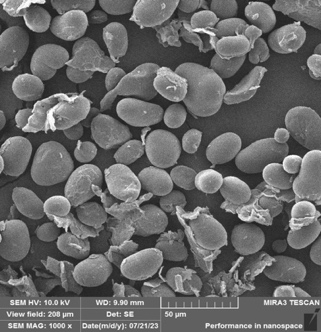
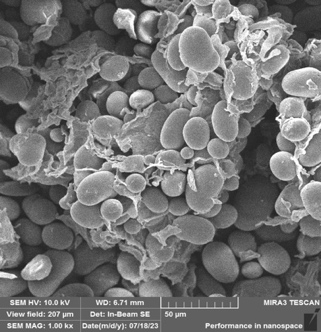
  • Common bean starch was isolated using wet milling and characterized for its physicochemical and morphological properties. Modification through heat-moisture treatment (HMT) increased the amylose content of starch by 11.0%, reduced rapidly digestible starch (RDS) and increased slowly digestible starch (SDS) and resistant starch (RS) compared with native starch.
Major research achievements

Nutritional & Functional Attributes of Chickpea Protein

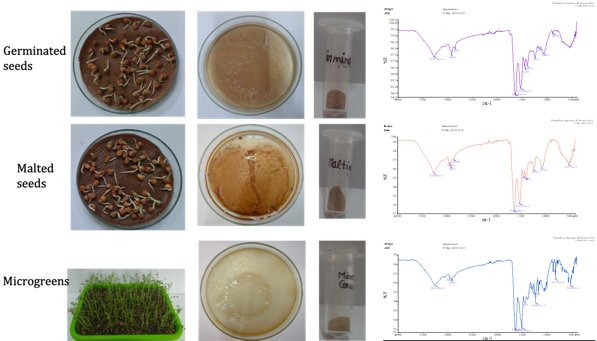
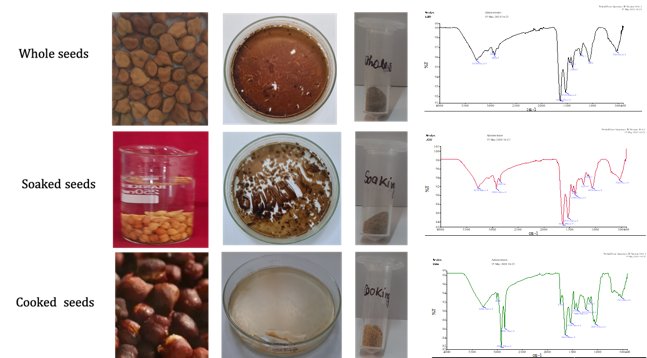
  • Protein isolates were extracted from chickpea using the alkaline extraction (pH 9) – isoelectric precipitation (pH 4.5) method. Among all sources, the highest recovery of protein isolate was obtained from chickpea flour (41.54%). The isolates were characterised through FTIR spectroscopy and showed characteristic peaks in the amide I region (1634–1638 cm−1).
  • The amino acid profile using an HPLC-PDA method revealed glutamic acid, aspartic acid and arginine as the predominant amino acids in chickpea. Seven of nine essential amino acids were quantified and compared with the essential amino acid composition of wheat and rice. The highest concentration of histidine and threonine was noted in BG 3062; of isoleucine, leucine, lysine and phenylalanine in Phule G 0405; and of valine in GNG 1581. Overall, the varieties Phule G 0405, BG 3062 and JG 12 were found to have higher essential amino acid content.
Major research achievements

Agricultural Chemicals

Dynamics of imazethapyr in the soil–plant system

Dissipation kinetics of imazethapyr in soil and its residual toxicity in urdbean grains and the succeeding crop were determined. More than 90% of imazethapyr dissipated within 60 days after application, with half-lives ranging between 15.12 and 18.02 days. Residues were not detected in urdbean grains or in samples from subsequent crops such as mustard, wheat and chickpea — indicating imazethapyr can be used to control weeds in urdbean fields without significant residual effect on harvested grain.

Dynamics of glyphosate and AMPA

Glyphosate persisted in soil for up to 45 and 60 days at application rates of 1.5 and 2.25 kg a.i./ha respectively, with half-lives of 19.42–22.2 days. AMPA persisted longer, with half-lives between 45.2 and 66.5 days. Residues of glyphosate and AMPA were not detected in leaves and grains of the subsequent urdbean crop at harvest, hence urdbean sowing can be done on glyphosate-treated fields.

Major research achievements

Microbiology & Genome Editing

In silico characterization of BNF-related genes in chickpea

  • Chickpea genome mining identified novel nodule-specific genes (n=24) coding for uncharacterized proteins without homolog sequences in BLASTn/BLASTp searches. A total of 35 CaCLE genes and 10 CaNLP genes involved in the autoregulation of nodulation (AON) pathway were identified in Cicer arietinum and characterized in silico. Similarly, 26 CrCLE, 36 CeCLE, 10 CrNLP and 11 CeNLP genes were identified in C. reticulatum and C. echinospermum. Autophagy protein 5, ubiquitin-like protein ATG12, AP-2 complex subunit alpha, extracellular calcium-sensing receptor, F-box protein interaction domain protein and putative EEIG1/EHBP1 domain-containing proteins were identified as CaNLP1 interacting proteins.
  • Nodule-specific cysteine rich (NCR) peptides mediate terminal bacteroid differentiation and determine symbiotic efficiency. A total of 64 NCR genes in C. arietinum and 32 in C. reticulatum were predicted to possess 4–6 conserved cysteine residues. NCR genes are localized as clusters across the Cicer genome, supporting gene duplication and diversification as their mode of evolution. Out of 120 orthogroups, only four single-copy orthogroups (OG0000052, OG0000054, OG0000055, OG0000057) share a member of NCR peptides from Cicer and Medicago.

Gene editing of CaNCR genes

Among 145 members of the NCR gene family in chickpea, 16 highly expressed NCR genes were taken for amino-acid sequence-based cluster analysis, and one member from each cluster (CaNCR324, CaNCR54, CaNCR66) was taken for CRISPR editing to understand its biological role in symbiotic efficiency. Chickpea cv. HC5 was used for plant transformation with the CRISPR constructs through Agrobacterium tumefaciens / particle bombardment mediated genetic transformation. At the end of Rabi 2025–26, a total of 771 T3 seeds from CaNCR54, 573 T3 seeds from CaNCR66, 13 T2 seeds from CaNCR24, 41 T2 seeds from CaNCR54 and 9 T2 seeds from CaNCR66 were harvested.
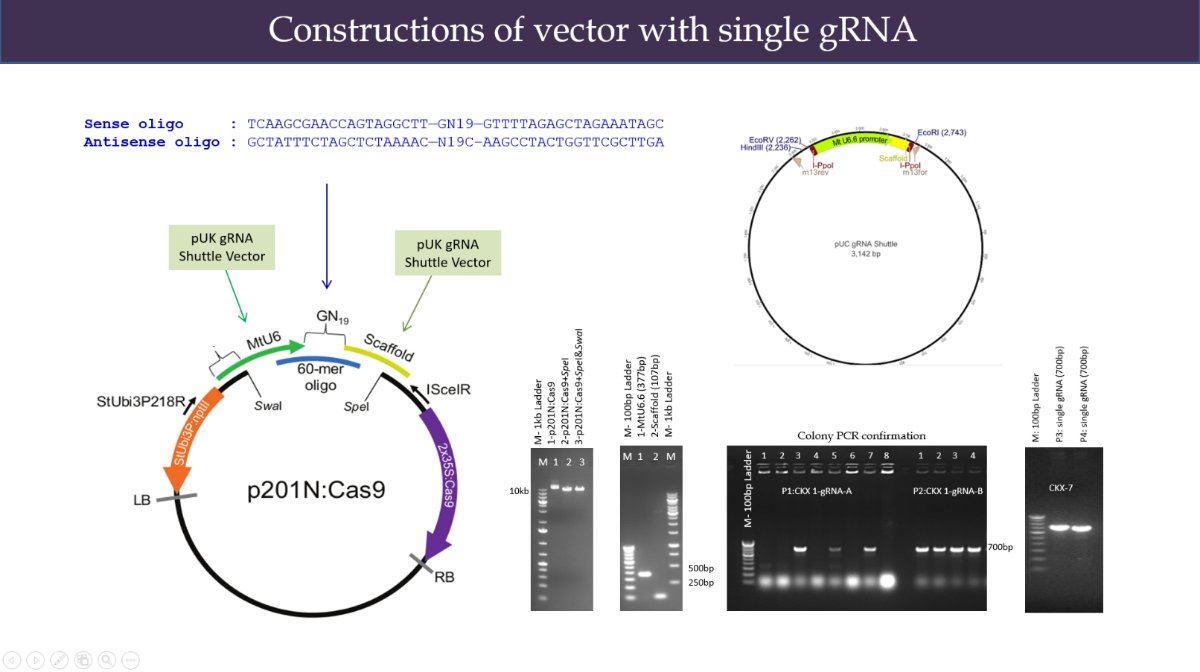
Gene editing of CaNLP1 for nitrate-insensitive root nodulation
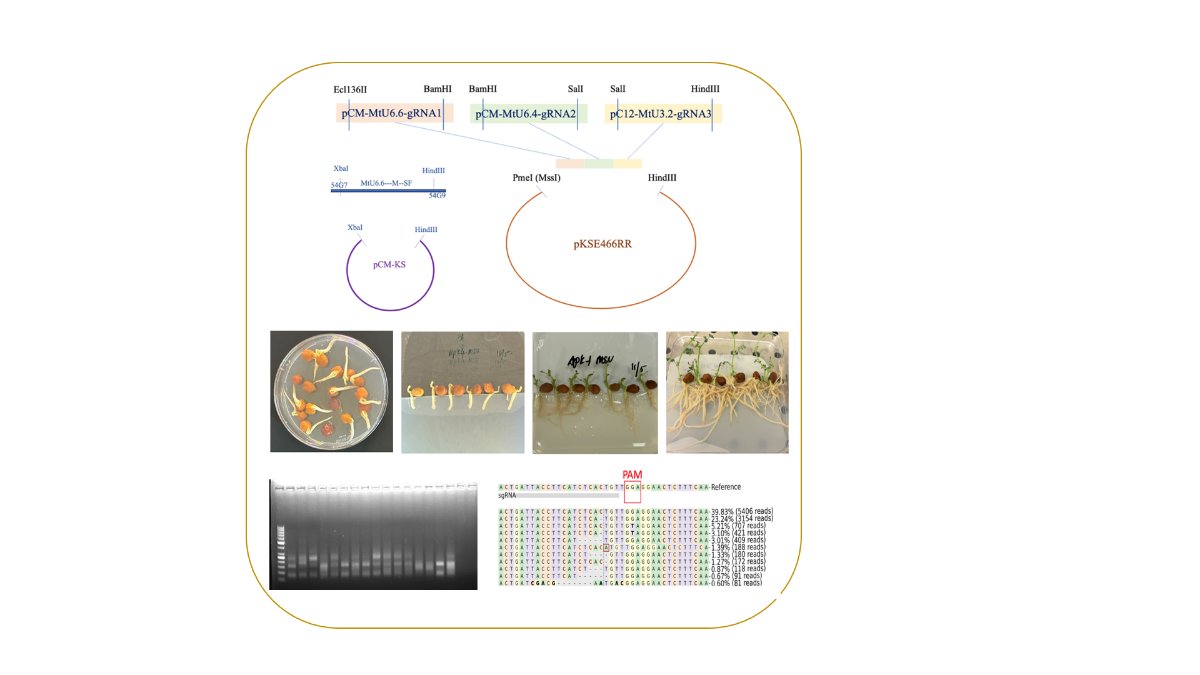
  • Nitrate inhibition of root nodulation was confirmed in chickpea varieties HC5 and GNG2171 through pot experiments. MtNLP1 — nodule inception (NIN)-like protein 1 — was identified as a key regulator involved in nitrate-induced suppression of nodulation in M. truncatula. CaNLP1 in chickpea, an ortholog of MtNLP1, has been characterized in silico. No significant or deleterious variations were observed during allele mining of CaNLP1 against resequencing data of the chickpea minicore / reference set. Transcriptome analysis revealed up-regulation of CaNLP1 under high soil-nitrate nitrogen.
  • Two gRNAs targeting CaNLP1 were designed and cloned in Agrobacterium rhizogenes to check cleavage efficiency through an in vivo assay.

Gene editing of cytokinin dehydrogenase (CaCKX)
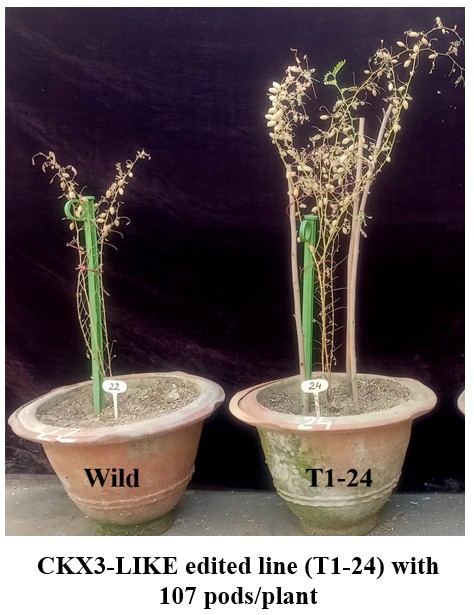
  • Many genes involved in the cytokinin pathway (signal transduction, biosynthesis, transport, homeostasis and degradation) play an important role in determining ovule number. The wild species Cicer cuneatum produces 5–6 seeds per pod but fails to cross with cultivable C. arietinum, which produces 1–2 seeds per pod. Cytokinin oxidase/dehydrogenase (CKX) determines cytokinin levels in plant tissues; reduced expression of OsCKX2 in rice led to accumulation of cytokinin in inflorescence meristems and increased seeds per panicle. CKX is therefore a potential target to improve chickpea yield.
  • Three CaCKX genes (LOC101505170, LOC101493173, LOC101495126/CKX1) were selected for gene editing based on their floral-tissue-specific expression. At the end of Rabi 2025–26, 1175 T3 seeds from CaCKX-3173 and 175 T2 seeds from CaCKX-5170 were harvested. Genotyping of selected lines is under progress.

Enhancing nodulation potential in rajma

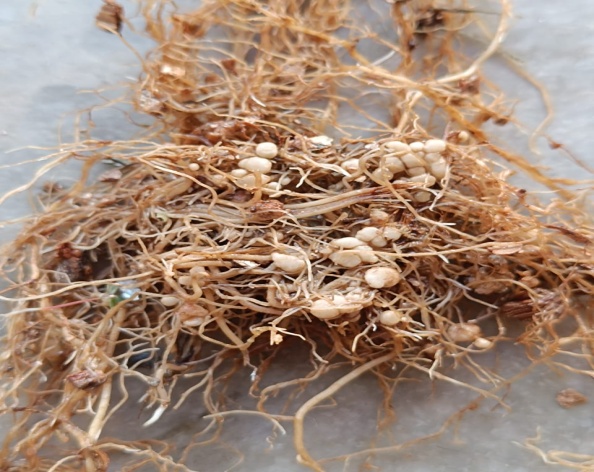
  • Eleven rajma accessions from the IIPR germplasm maintenance unit were reconfirmed for their root-nodulation potential, while Indian varieties are of the non-nodulating type and require a higher dose of fertilizer nitrogen. Rajmash-nodulating Rhizobium IIPR-RR-2022-1 was confirmed for its nodulation potential in a germplasm line of rajmash, but not in cultivar Arun.
  • Rajma accession IC383002 produced the highest number of root nodules (n=90) when inoculated with Rhizobium sp. strain IIPR-RR-2022-1 under a perlite growth medium. Leghaemoglobin content of rajma root nodules (866 µg/g nodule fresh weight) is comparable to a similar stage of chickpea root nodule (1033 µg/g), however the ARA activity of rajma root nodule is almost nil.
Outcomes

Climate & Nutri-Smart Pulses

Nutri-smart outcomes

  • Eight common bean cultivars with high antioxidant potential identified — Utkarsh, IC 340947, EC 931364, Baspa, EC 931860, EC 932021, EC 931366 and EC 932147.
  • Six common bean cultivars with low RFO content (3.2–3.8%) identified — Uday, EC 932147, IC 360831, EC 931874, EC 931844 and EC 931772.
  • Starch modified using heat-moisture treatment (HMT) exhibited a higher gelatinisation temperature than native starch, reducing digestibility.
  • Varieties Phule G 0405, BG 3062 and JG 12 have higher essential amino acid content than others.

Pulses health management

  • IG 3522 identified as a heat-tolerant lentil genotype based on four years of HSI data.
  • JG 2021-71, Phule Vikram, GJG 1913 identified as high-input responsive chickpea genotypes over three years, recommended for breeding and field evaluation under high-input conditions.
  • IPC 21-66 identified as a lodging-resistant chickpea genotype over three years of evaluation under high-input management.
  • Lentil genotypes IPL 24-50, IPL 24-65, IPL 24-14, IPL 24-15 showed high lodging resistance under high-input management.
  • Pigeonpea genotypes NDA-2, MAL-13, ICP-2275, IPACT-2 highly tolerant to cold stress; ICPL-87091, ICP-2376, ICPL-20241, IPAC-212, IPAWL-22-7, IPAWL-22-8 waterlogging tolerant.
  • Urdbean genotypes PGRU 95016 and PGRU 95014 selected as heat tolerant with high photosynthetic rates.
Facilities / Services

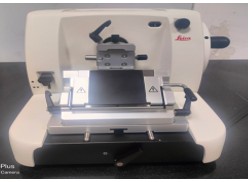
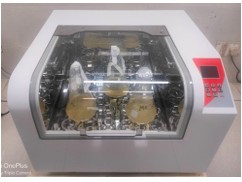
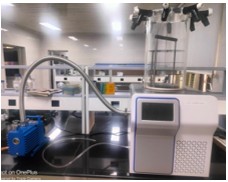
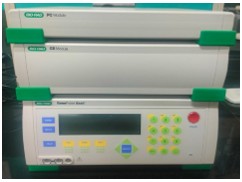
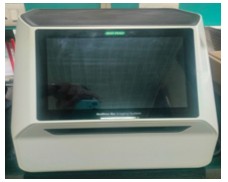
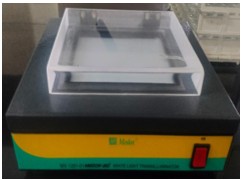
Laboratory Equipment

Our team

Manpower (Scientific & Technical)

S.No.NamePosition
1Dr. M. SenthilkumarHead of Division · Principal Scientist (Microbiology)
2Dr. D. P. PatelPrincipal Scientist (Physiology)
3Dr. T. N. TiwariPrincipal Scientist (Physiology)
4Dr. Vijay LaxmiSenior Scientist (Physiology)
5Dr. Vaibhav KumarSenior Scientist (Biochemistry)
6Dr. Kalpana TewariSenior Scientist (Biochemistry)
7Dr. Shamima ParveenScientist (Physiology)
8Dr. Shriniketan PuranikScientist (Microbiology)
9Mr. Laken VermaTechnical Officer (T-6)
10Mr. Sumit VermaSenior Technician (T-2)
11Mr. AkhilTechnician (T-1)
Scientist information

Scientist Profiles